 2-5 day delivery
 25.000+ satisfied customers
 Satisfaction Guarantee









Low tension hairstyle ideas for everyday wear
Low tension hairstyles can protect the hairline while still looking neat and versatile for everyday wear. Loose low ponytails with soft scrunchies, relaxed braids, half-up styles secured with clips, and soft buns at the nape of the neck help distribute weight more evenly across the scalp and reduce unnecessary pull at the roots.
Loose low ponytail
A loose low ponytail secured with a satin scrunchie is a simple hairstyle that helps keep tension low. Positioning the ponytail at the nape of the neck instead of high on the crown spreads pressure more evenly across the scalp and reduces pulling around the temples and hairline, which are often more sensitive to tight styles.
[products_1]
A satin scrunchie can also help minimize friction compared with standard hair elastics. The smooth fabric glides more easily against the hair and may reduce snagging or breakage, while a loose ponytail allows the roots to stay more relaxed throughout the day.
To create this style, gently detangle the hair with a soft brush or a wide-toothed comb. Work with the natural part instead of brushing everything straight back, which can create unnecessary tension. Gather the hair at the nape of the neck and secure it with a satin scrunchie, wrapping it only enough to hold the ponytail in place.

Soft bun at the nape
A loosely twisted bun placed low at the nape helps distribute the hair’s weight more evenly, reducing pressure on the scalp and hairline. Wearing it lower instead of high on the crown eases tension around the temples and edges, making it a comfortable choice for everyday styling. It often feels steadier, especially when worn for several hours.
Step-by-step:
- Gently detangle the hair using a soft brush or a wide-toothed comb to remove knots without pulling.
- Keep the natural part and allow the hair to fall naturally.
- Gather the hair softly at the nape of the neck without tightening at the roots.
- Loosely twist the lengths together while maintaining a relaxed base near the scalp.
- Wrap the twist into a soft bun positioned low at the nape.
- Secure the bun with a satin scrunchie or soft pins that hold the style without pulling.
- Make small adjustments to ensure the bun feels comfortable and evenly balanced.
This style keeps the hair neatly gathered while reducing tension on the scalp and hairline, making it suitable for daily wear or for keeping the hair comfortably in place throughout the day.
Claw clip updo
Claw clips are a gentler alternative to tight elastics, making them ideal for low-tension styles. Instead of pulling the hair tightly, they hold it in place without straining the scalp or hairline. The pressure is distributed more evenly, so the style feels lighter and helps reduce tension around the temples and edges. This makes claw clips especially suitable for everyday wear when the hair needs to stay up for several hours.

Step-by-step:
- Gently detangle the hair using a soft brush or a wide-toothed comb to remove knots without pulling.
- Gather the hair at the back of the head, keeping it relaxed and avoiding tension at the scalp.
- Loosely twist the lengths upward while maintaining a soft base near the roots.
- Fold the twist against the head in a comfortable position.
- Secure the style with a claw clip suited to the hair’s thickness.
- Make small adjustments so the updo feels secure yet remains light and tension-free.
This style keeps the hair lifted while allowing natural movement and helping maintain a healthy-looking hairline throughout the day.
Half-up half-down style
This style pulls up less hair, making it a gentler option for everyday wear. By securing only the top section loosely and leaving the rest down, tension at the crown and hairline is reduced. The lower lengths remain free, allowing the hair’s weight to be spread more evenly and helping the style feel comfortable throughout the day. Using a soft hair tie, such as a satin scrunchie, helps minimize strain around the edges and reduces friction that can lead to breakage.
Step-by-step:
- Carefully detangle the hair and follow its natural parting.
- Section off the top portion without tugging at the roots, letting the hair fall as it naturally would.
- Loosely gather the top section and secure it with a soft hair tie.
- Refrain from pulling the hair back too tightly to keep tension low at the crown.
- Gently adjust the top section so the roots sit naturally, maintaining softness and light volume.
The finished look is a well-balanced style that feels secure while staying gentle on the hairline.
Low tension styles for curly and textured hair
Choosing hairstyles that work with the natural curl pattern allows for experimenting with different looks while helping to ease strain on the hair fibers. The low tension options below offer a balance between comfort and flexibility, making them suitable for work, social gatherings or relaxed days at home. Each style is designed to minimize pulling at the roots while still maintaining a polished and well-groomed appearance.
Wash and go
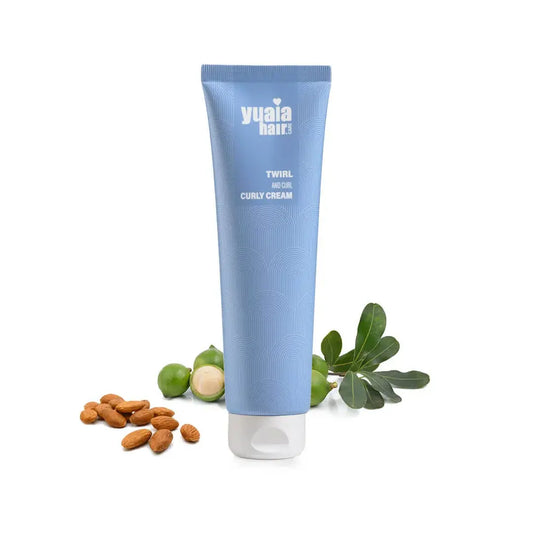
Allowing curls to follow their natural pattern is one of the simplest ways to reduce strain on the scalp and strands. Instead of pulling the hair into tight styles, it allows the hair to fall naturally, reducing pressure at the roots and along the hairline. Proper moisturizing and gentle detangling help enhance definition without relying on restrictive styling. Applying a lightweight leave-in or curl cream can support shape while maintaining softness and flexibility. Letting the hair dry naturally minimizes heat styling and repeated touching, which can otherwise create unnecessary stress on the hair. Over time, keeping the routine simple and gentle supports long-term hair health and helps curls maintain their natural strength, bounce, and elasticity.
Loose two-strand twists
Twists formed with a light hand can work as a protective style without putting unnecessary strain on the roots. Avoid gripping tightly at the base and ensure the parts are not overly small, as tiny sections can increase tension. Keeping the twists slightly loose supports comfort and scalp health.
How to make loose two-strand twists:
- Start on well-moisturized, gently detangled hair to reduce friction during styling.
- Section the hair into medium-sized parts, avoiding very small sections.
- Apply a lightweight cream or leave-in conditioner to maintain softness and flexibility.
- Separate each section into two even sections.
- Gently wrap the two sections around each other, keeping the base relaxed.
- Check that the scalp feels comfortable and not tight once finished.
When done correctly, loose two-strand twists help protect the hair while still allowing natural movement.
Braid-out or twist-out
This section focuses on creating heatless curls using braid-outs or twist-outs. These techniques shape the hair into soft waves or curls without the use of hot tools, making them a gentle styling option. Instead of relying on curling wands, the curl pattern forms naturally as the hair dries in braids or twists. This helps reduce both heat exposure and constant pulling, allowing the scalp to remain relaxed.
After loosely braiding or twisting the hair and allowing it to dry completely, the result is defined texture and volume with minimal daily manipulation. Because the hair is not tightly secured at the roots, there is less strain on the hairline compared to slicked-back styles or tight braids.
To create heatless curls with a low tension braid-out or twist-out:
- Start on clean, well-moisturized and gently detangled hair.
- Section the hair carefully without pulling tightly at the roots.
- Create loose braids or twists, maintaining a soft grip at the base.
- Allow the hair to air dry fully so the curl pattern can properly set.
- Carefully unravel each braid or twist without tugging at the roots.
- Separate gently for added volume while keeping manipulation minimal.
These heatless curls can be refreshed over several days, helping maintain definition, fullness, and overall scalp comfort without reintroducing tension.
Pineapple method
For curly hair, a very loose high ponytail secured with a satin scrunchie can help protect curls overnight or during the day. This method preserves curl definition while reducing flattening from sleep or long wear. By gathering the hair gently at the top of the head without pulling at the base, it minimizes friction and reduces pressure around the hairline and temples. The key is to keep the hold soft and avoid tightness.
- Flip the head forward to allow the curls to naturally fall toward the crown.
- Loosely gather the curls at the top of the head, keeping the base relaxed.
- Wrap a satin scrunchie around the hair once or twice, stopping before it feels snug.
- Check that the edges are not being pulled, especially near the temples.
- Adjust the placement if needed so it feels comfortable and balanced.
- For extra protection, use a bamboo bonnet or a bamboo pillowcase to further reduce friction.
How to keep tension low when styling
Keeping tension low during styling helps reduce stress on the hairline and scalp. A few small adjustments in how hair is handled and secured can make a noticeable difference over time.
- Detangle hair gently before styling and work from the ends upward in sections.
- Use a lightweight leave-in conditioner to add slip and reduce friction.
- Choose soft accessories such as satin scrunchies, spiral hair ties or padded elastics.
- Secure styles gently and loosen them if there is pulling, tingling or discomfort.
- Avoid excessive brushing or heavy gels around the hairline.
- Rotate hairstyles and change partings to avoid repeated stress on the same areas.
Nighttime routine to protect low tension styles
Protecting the hair at night helps maintain the benefits of low tension styling and supports overall scalp comfort. While styles may feel gentle during the day, friction and pressure during sleep can still place stress on the hair and hairline.
For better protection overnight, consider:
- Sleeping on a bamboo pillowcase to reduce friction that can cause frizz, dryness and unnecessary strain. Smooth fabrics create less resistance against the hair, which helps maintain moisture and prevents the hair from catching on rough surfaces during sleep.
- Wearing a loose bonnet to help hold the style in place without applying pressure to the hairline. This can also help maintain curls or waves and reduce the need for restyling in the morning.
- Removing buns or ponytails before bed so the scalp can fully relax. Leaving tight styles in overnight can keep tension on the same areas for long periods.
- Gently loosening the hair and lightly fluffing the roots to restore natural movement and reduce lingering tension. Gathering curls into a very loose pineapple can also help preserve curl shape without creating strain.
Keeping the nighttime routine simple and low manipulation supports healthier styling habits over time and helps protect both the hair and scalp from unnecessary stress.
Common mistakes to avoid
Creating braids that are too small or fastening them too tightly at the base can increase tension, even when the rest of the braid feels loose. The area where the hairstyle is first secured often places the most stress on the follicles, so maintaining a gentle grip at the root helps protect the hairline and reduce unnecessary strain. Careful sectioning and a light hand during installation can support better scalp comfort over time.
Heavy extensions can also place extra pressure on the roots. The weight of extensions pulls downward on the follicles, especially around the temples and edges where the hair is typically finer. Over time, this constant pull may contribute to thinning if the scalp is not given time to rest. Choosing lighter extensions and allowing breaks between installations can help reduce stress on the hair and scalp.
Another common issue is repeatedly tightening ponytails or reworking the edges throughout the day. Once a hairstyle feels secure and comfortable, frequent adjustments should be avoided. Even small amounts of repeated pulling can gradually weaken the hairline, increase scalp sensitivity and make strands more prone to breakage. Gentle handling and fewer adjustments help maintain healthier edges.
Choosing low tension hairstyles for long-term hair health
Low tension hairstyles help protect fragile edges and reduce daily stress on the scalp. Opting for softer placements, avoiding tight elastics and rotating styles regularly makes it easier to stay comfortable while supporting long-term hair health.
Small adjustments, such as loosening a ponytail or following the natural part, can make a noticeable difference over time. With gentle techniques and mindful styling, it becomes easier to do versatile hairstyles that help maintain density, reduce breakage and support a balanced hairline.


