 Entrega en 2-4 días
 Más de 100.000 clientes satisfechos
 Garantía de satisfacción











Hydration: The first step to recovery
Restoring moisture is the cornerstone of repairing bleach-damaged hair. Bleaching strips away natural oils, leaving hair dry and brittle. Hydration helps replenish lost moisture, improving elasticity and reducing breakage. Regularly infusing hair with moisture can significantly enhance its texture and manageability.
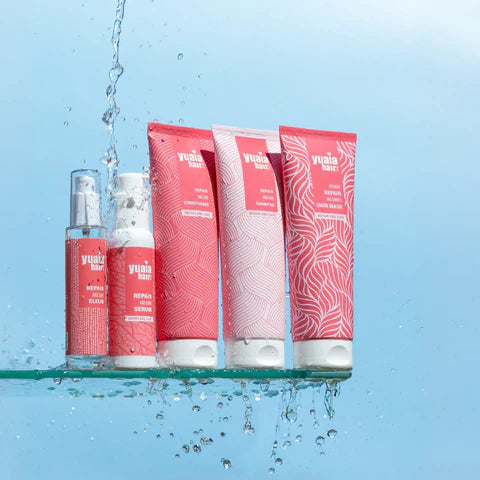
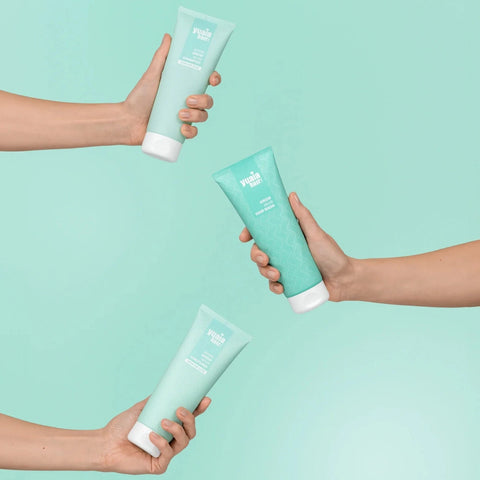
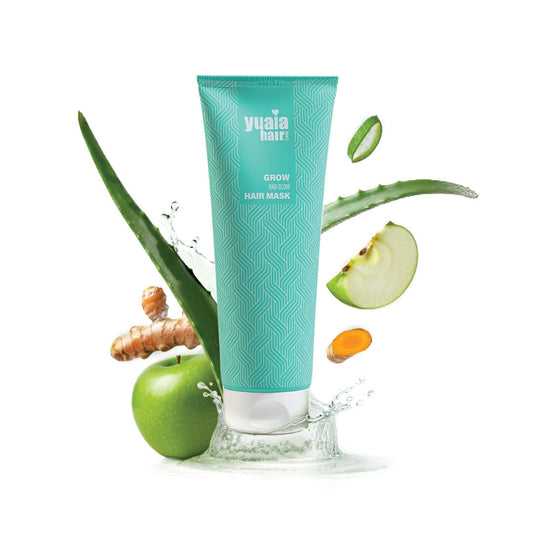
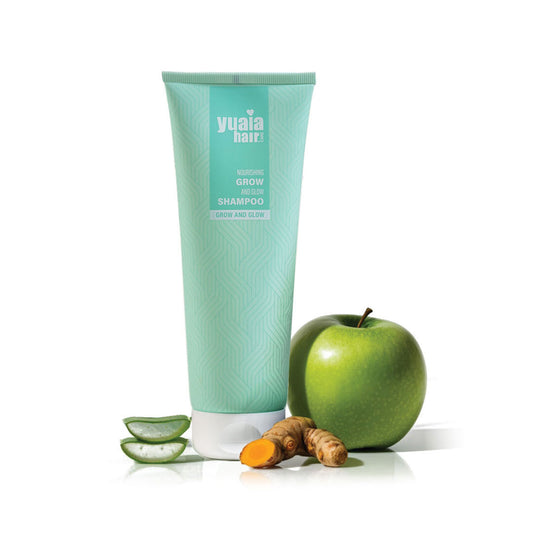
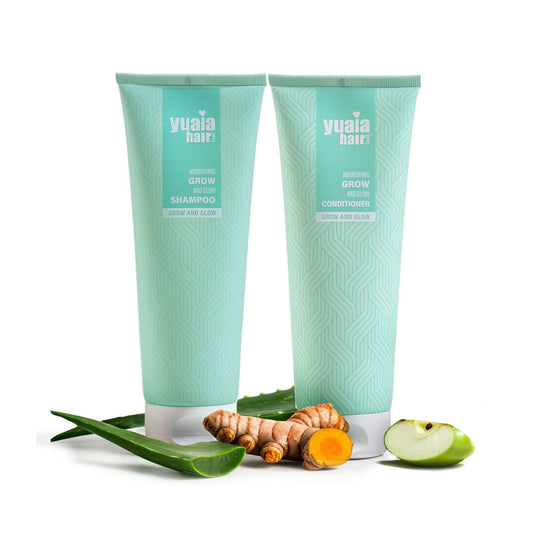
To maintain a healthy moisture balance, incorporate weekly hydration treatments into your routine. Intensive moisture masks are excellent for delivering deep hydration. Additionally, using sulfate-free products like our Grow and Glow shampoo can gently cleanse without stripping essential oils, helping to maintain hydration levels.
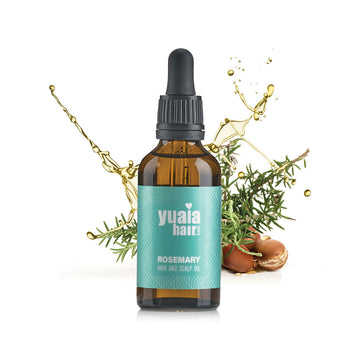
For a DIY approach, natural oils such as coconut or argan oil can be applied to the hair. These oils are known for their ability to penetrate the hair shaft, providing lasting moisture and shine. Simply warm a small amount of oil in your hands and apply it evenly, focusing on the ends where damage is often most pronounced.
Protein reinforcement: Strengthening hair structure
Proteins play a pivotal role in rebuilding the strength of bleach-damaged hair. They help repair the hair's structure by filling in gaps caused by the bleaching process. However, balancing protein with moisture is crucial to avoid overloading the hair, which can lead to further breakage.
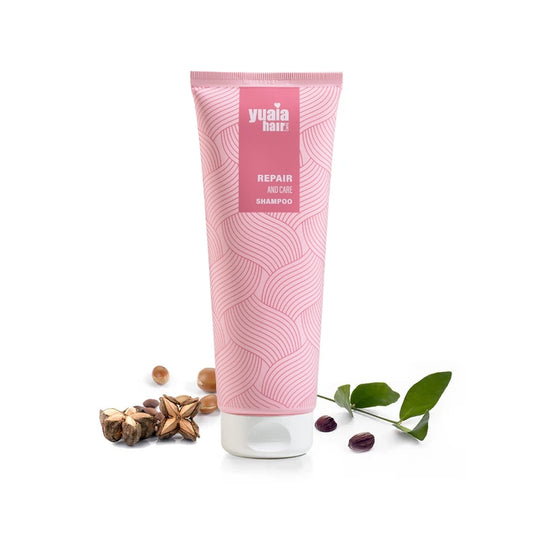
Incorporate protein treatments and masks into your hair care routine to reinforce its structure. Our Repair and Care shampoo is enriched with proteins that help restore strength and resilience to damaged hair. Using it regularly can aid in fortifying the hair, making it less prone to breakage.
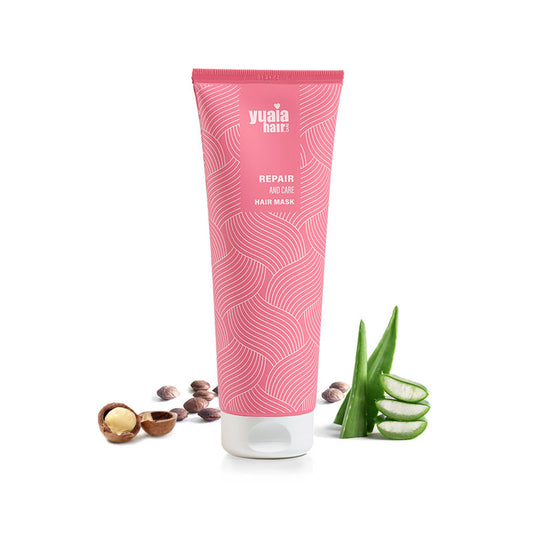
Hydrolyzed proteins are particularly effective in hair care, as they are broken down into smaller molecules that can easily adhere to the hair, providing enhanced strength and shine. Look for products that contain these proteins to boost your hair's recovery process.
Protective routines: Preventing further damage
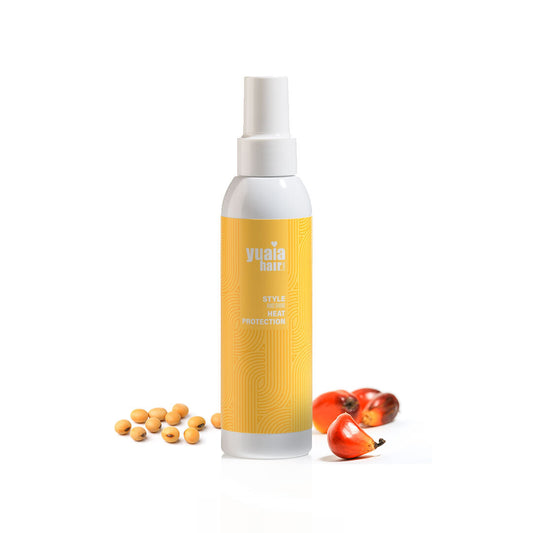
Establishing protective routines is essential to prevent additional damage to bleach-damaged hair. Daily habits can make a significant difference in maintaining hair health. Using a heat protectant spray before styling is crucial to shield hair from high temperatures that can exacerbate damage.
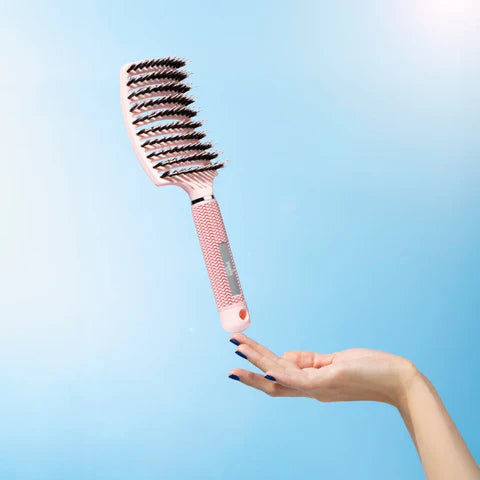
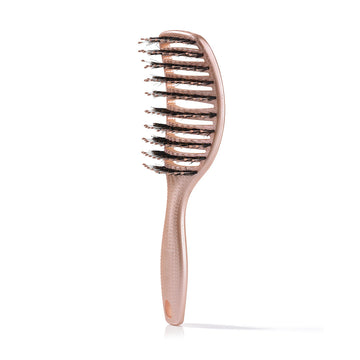
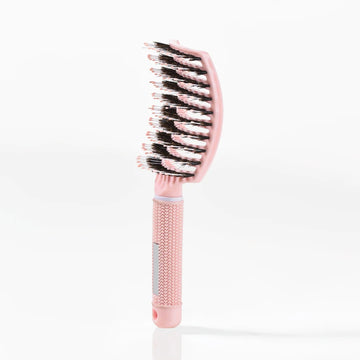
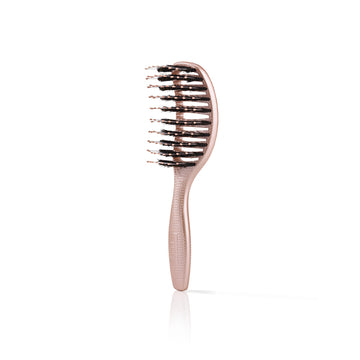
Gentle brushing techniques are also vital. Using the Curvy Brush with boar bristles can help minimize breakage by detangling hair without causing unnecessary stress. Boar bristles distribute natural oils throughout the hair, enhancing its shine and smoothness.
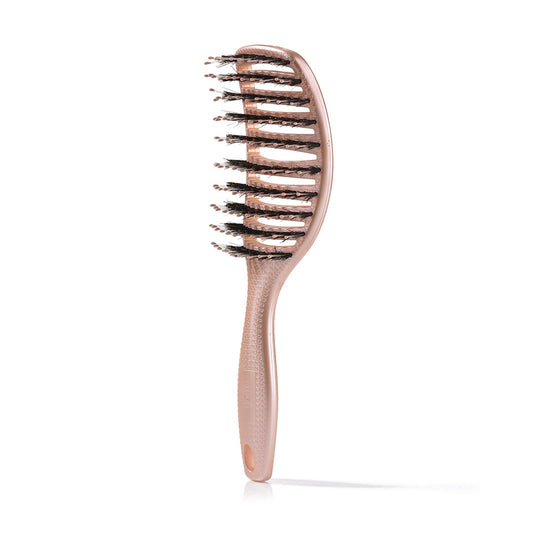
Furthermore, avoid exposing hair to harmful elements such as harsh chemicals, chlorine, and excessive heat. These can further weaken the hair structure, delaying the repair process. By adopting these protective measures, you can safeguard your hair against further damage while promoting recovery.
Additional content and FAQs
Bleach-damaged hair recovery is a journey that requires dedication and the right approach. While the previous sections have laid the foundation for effective recovery methods, it's important to address some common questions and provide additional insights to guide you on this path.
Frequently asked questions
Can bleach-damaged hair be fully repaired?
Bleach-damaged hair can be significantly improved with consistent care, but full recovery depends on the extent of the damage. While you may not be able to restore your hair to its exact pre-bleaching state, you can achieve healthier, stronger hair over time with regular hydration, protein treatments, and protective measures.
How long does it take to see results?
The timeline for visible improvements in bleach-damaged hair varies based on individual hair type and the severity of the damage. Generally, with a consistent routine involving hydration and protein treatments, you can expect to see noticeable changes within a few weeks to a few months.
What are the best products for bleach-damaged hair?
For bleach-damaged hair, it's beneficial to use sulfate-free shampoos and conditioners that gently cleanse and nourish your hair. Products like our Grow and Glow shampoo are ideal for maintaining moisture without stripping essential oils. Incorporating a mix of protein-rich and hydrating treatments will also support the repair process.
Real-life success stories
Hearing from others who have successfully navigated the journey of repairing bleach-damaged hair can be incredibly motivating. Many have found success by committing to a consistent care routine and using the right products. Whether it's through regular use of hydrating masks or protein-enriched shampoos, these stories highlight the importance of patience and perseverance.
Transformations often begin with small steps, such as adopting a sulfate-free shampoo or introducing a weekly moisture mask. Over time, these efforts can lead to significant improvements in hair health, providing hope and inspiration for those on the same path.
By understanding the needs of your hair and committing to a tailored care routine, you can embark on a successful recovery journey. Remember, while the process may take time, the results will be worth the effort as you restore your hair's health and vitality.


