 Entrega en 2-4 días
 Más de 100.000 clientes satisfechos
 Garantía de satisfacción







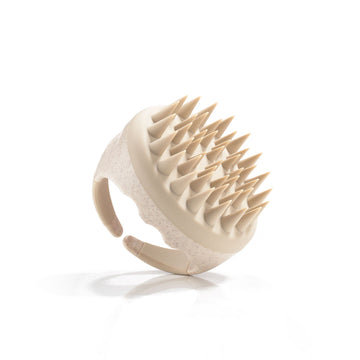




Postpartum hair regrowth timeline: What to expect month by month

por Nanna bundgaard | 01. March 2026 | Tiempo de lectura: 6 minutos
Lea más sobre el autorFor many new mothers, the postpartum period comes with a variety of physical changes, one of which is often unexpected and distressing: hair loss. Known as postpartum telogen effluvium, this condition is a common concern after childbirth. As hormones shift dramatically following delivery, many women experience increased shedding, which can be alarming.
During pregnancy, elevated estrogen levels prolong the growth phase of hair, resulting in lush and voluminous locks. However, after giving birth, estrogen levels drop, causing hair to enter the telogen, or resting, phase. This shift leads to noticeable shedding as hair follicles prepare for new growth. Understanding this transition can help new mothers manage expectations and navigate the changes with confidence.
What is postpartum telogen effluvium?
Postpartum telogen effluvium is a temporary condition that affects many women after childbirth. It typically begins anywhere from one to four months postpartum, as the body adjusts to hormonal changes. During this time, a significant number of hair follicles enter the resting phase simultaneously, leading to increased shedding.
What to expect: A month-by-month overview
Understanding the typical timeline of postpartum hair regrowth can provide reassurance and clarity during this period:
- Months 1-3: This is when shedding often begins. The drop in estrogen levels causes a noticeable increase in hair loss as follicles transition to the telogen phase.
- Months 3-5: Hair loss usually peaks during this time, with many women experiencing the loss of 100-200+ hairs daily. Up to 30-40% of scalp hair may be affected. Maintaining a gentle hair care routine is important to minimize additional stress on the hair.
- Months 6-9: Early signs of regrowth often appear, such as baby hairs along the hairline and temples. As hormones stabilize, shedding significantly reduces.
- Months 9-12: Many women notice an increase in hair density and the thickening of new hairs. Hair cycles begin to normalize.
- Months 12-18: For most women, hair returns to its pre-pregnancy thickness. However, factors such as nutrition and stress can influence the exact timing.
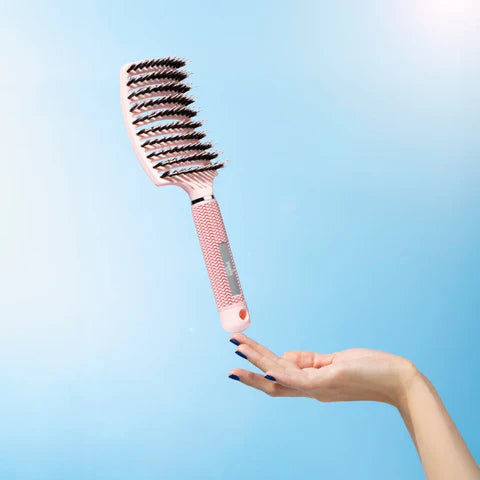
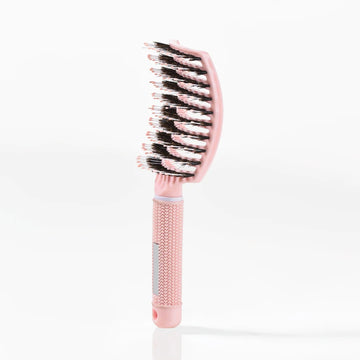
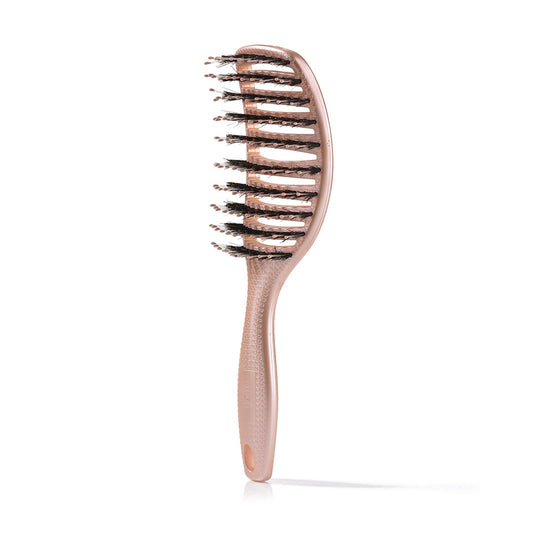
While the process of postpartum hair regrowth can be challenging, it is important to remember that these changes are temporary. Adopting a gentle hair care routine and using products that support scalp health can aid in the transition. For example, using a Curvy Brush with boar bristles can help minimize breakage and stimulate the scalp, promoting healthy hair growth during this time.
The onset of shedding: Months 1-3
In the first few months postpartum, many new mothers begin to notice an increase in hair shedding. This occurs as a natural response to the drop in estrogen levels after childbirth. During pregnancy, high estrogen levels keep hair in the growth phase longer, but once these levels decrease, hair enters the telogen phase, leading to noticeable shedding.
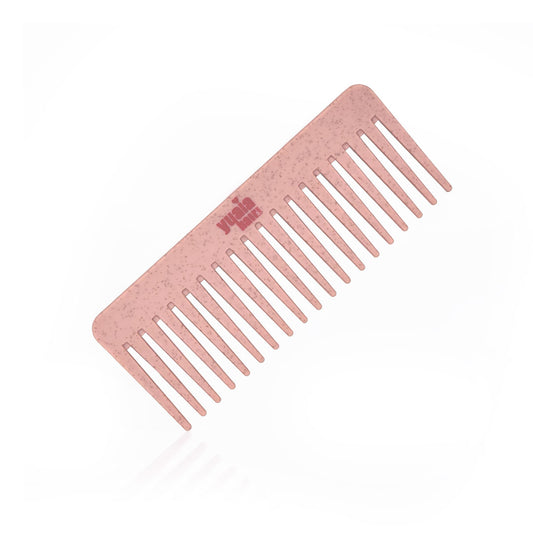
This phase, while unsettling, is a normal part of the postpartum experience. It's essential to understand that this shedding is temporary. Maintaining a gentle hair care routine during this period can help minimize additional stress on your hair. Consider using a wide-toothed comb for detangling, which can help prevent breakage and reduce the strain on your hair.
Peak shedding period: Months 3-5
The peak of postpartum hair loss typically occurs between three to five months after delivery. During this time, it's common for women to lose between 100 to 200 hairs daily, with up to 30-40% of scalp hair being affected. This can be a challenging period, but it's important to remember that this phase is temporary and part of the natural hair cycle.
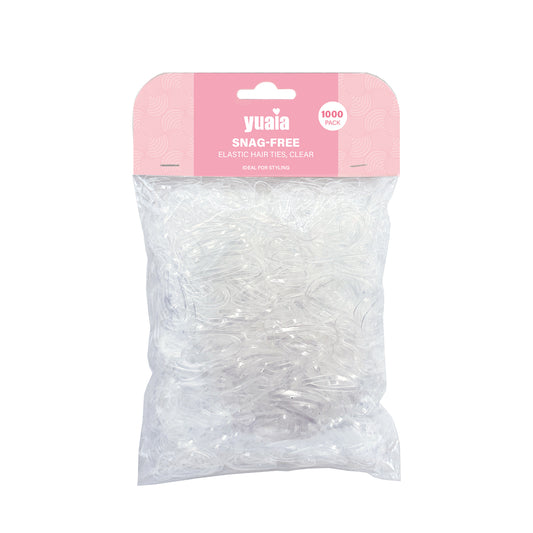
To support your hair during this peak shedding period, focus on gentle hair care practices. Avoid tight hairstyles that can pull on the hair, and consider using our snag-free hair ties to reduce tension on your hair. Additionally, using a sulfate-free shampoo can help maintain a healthy scalp environment, which is crucial for promoting new hair growth.
Early signs of regrowth: Months 6-9
As you move into the six to nine-month range postpartum, many women begin to notice early signs of hair regrowth. This is often seen as baby hairs emerging along the hairline and temples. As hormonal levels start to stabilize, the shedding significantly reduces, and the focus shifts towards nurturing new growth.
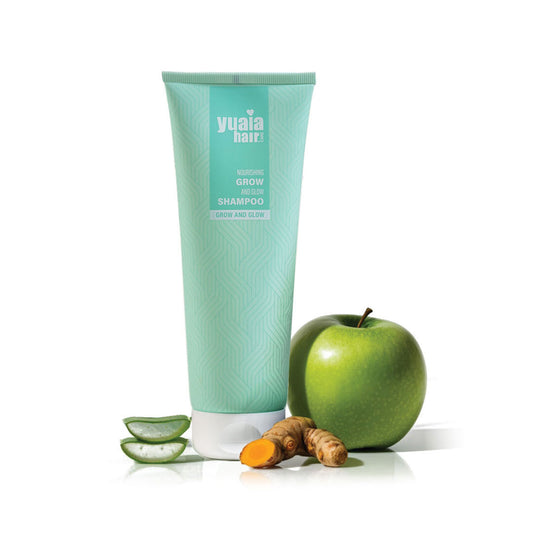
During this time, incorporating a gentle, sulfate-free shampoo like our Grow and Glow shampoo can be beneficial. This product supports scalp health and encourages the growth of strong, healthy hair. Remember that while the regrowth phase can be slow, it is a positive sign that your hair is on the path to recovery.
Maintaining a balanced diet and managing stress levels can also support hair health during this period. Ensure you are taking steps to care for your overall well-being, as this can indirectly influence the speed and quality of hair regrowth.
Get a 10% discount code sent to you
Receive the best tips and tricks for your hair from Lotte and Nanna 🥰
Additional strategies for supporting postpartum hair regrowth
As the journey of postpartum hair regrowth unfolds, there are additional strategies that can help support this natural process. Understanding these strategies can provide new mothers with practical tools to enhance hair health during this transitional period.
Gentle hair care practices
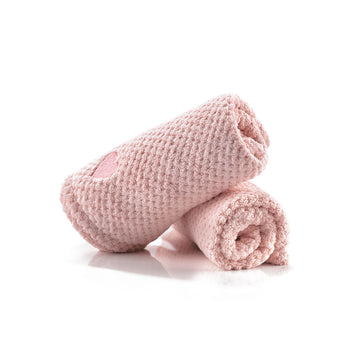
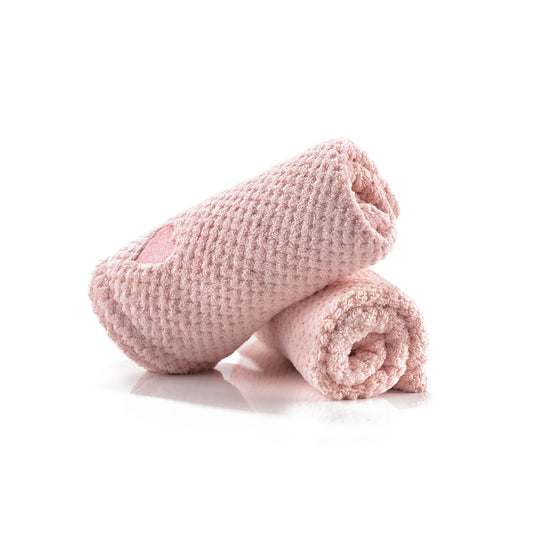
One of the most important aspects of managing postpartum hair changes is adopting gentle hair care practices. Avoiding tight hairstyles and using gentle accessories can minimize stress on the hair. Consider using our microfiber towel for drying, which reduces friction and helps maintain the integrity of your strands.
Choosing the right hair care products
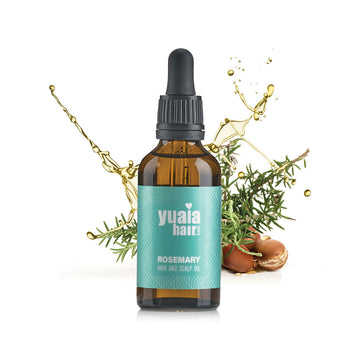
Selecting hair care products that cater to your hair's needs during this period is vital. Opt for products that are free from harsh chemicals and are made to nourish and protect your hair. For instance, using a rosemary hair oil can provide essential nutrients and promote a healthy scalp environment, which is beneficial for hair regrowth.
Embracing the hair regrowth journey
It's important to embrace the hair regrowth journey with patience and understanding. Remember that each person's experience is unique, and the timeline for hair regrowth can vary. Focusing on overall wellness and maintaining a positive outlook can support this natural process.
Frequently asked questions
How long does postpartum hair shedding last?
Postpartum hair shedding typically begins around 2-4 months after childbirth and can last until about 6 months postpartum. However, the duration can vary for each person.
What are the best hair care practices during the shedding phase?
During the shedding phase, it is important to use gentle hair care practices. Avoid tight hairstyles, use a wide-toothed comb to minimize breakage, and consider using products that support scalp health.
Can breastfeeding affect hair regrowth?
Breastfeeding can influence hormonal levels, which may impact the timeline of hair regrowth. However, most women will experience a return to normal hair growth as hormones stabilize over time.
Reciba un código de descuento del 10%
Recibe los mejores consejos y trucos para tu pelo de Lotte y Nanna 🥰.


