 Entrega en 2-4 días
 Más de 100.000 clientes satisfechos
 Garantía de satisfacción













Propiedades hidratantes del aceite de ricino.
El aceite de ricino es famoso por sus capacidades de hidratación profunda, lo que lo convierte en la opción ideal para quienes buscan mejorar la salud del cabello. Actuando como un humectante eficaz, atrae la humedad al cabello, lo que es especialmente beneficioso para los tipos de cabello seco y quebradizo. La capacidad de este aceite para prevenir la rotura y agregar un brillo natural puede ayudar a mantener el cabello más saludable con el tiempo. Su textura espesa y viscosa, sin embargo, requiere especial atención durante la aplicación para garantizar resultados óptimos.
Consejos de textura y aplicación del aceite de ricino
La densidad del aceite de ricino puede suponer un desafío, especialmente para las personas con cabello fino. Para facilitar el proceso de aplicación, es recomendable calentar ligeramente el aceite antes de su uso. Esto no sólo facilita su distribución por el cabello sino que también mejora su absorción. Sin embargo, se debe tener cuidado durante el enjuague, ya que su naturaleza densa puede provocar acumulación si no se lava completamente. Para las personas con cabello fino, el uso de aceite de ricino con moderación puede ayudar a evitar que el cabello se vuelva pesado.
Los mejores tipos de cabello para el aceite de ricino
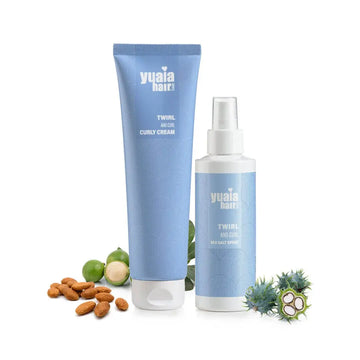
El aceite de ricino es particularmente beneficioso para el cabello seco, quebradizo, rizado o rizado. Sus ricas propiedades humectantes ayudan a reparar las puntas abiertas y reducir el frizz, lo que lo convierte en una excelente opción para quienes tienen cabello texturizado. Para los entusiastas del cabello rizado, incorporar productos como nuestro Twirl and Curl crema rizada Puede complementar los beneficios del aceite de ricino al definir los rizos y al mismo tiempo agregar humedad.
[productos_3]Comparando el aceite de romero y el aceite de ricino
Al considerar el aceite de romero frente al aceite de ricino, es importante tener en cuenta sus distintas funciones en el cuidado del cabello. El aceite de romero sobresale por estimular el cuero cabelludo y promover la circulación, lo que puede ser particularmente ventajoso para quienes experimentan caída del cabello. Por otro lado, el punto fuerte del aceite de ricino radica en su capacidad para hidratar profundamente y proteger el cabello de la rotura. Si bien ambos aceites ofrecen valiosos beneficios, su aplicación depende en gran medida de las necesidades y objetivos de cada cabello.
Para aquellos que buscan integrar estos aceites en su rutina, comprender sus propiedades únicas puede guiarlos hacia la elección más adecuada. Ya sea que su objetivo sea mejorar la salud del cuero cabelludo o mejorar la humedad del cabello, tanto el aceite de romero como el de ricino brindan soluciones naturales para respaldar su proceso de cuidado del cabello.
¿Puedes usar romero y aceite de ricino juntos?
La combinación de aceite de romero y ricino puede ofrecer un enfoque equilibrado para el cuidado del cabello, utilizando los puntos fuertes de ambos aceites para obtener mejores resultados. La capacidad del aceite de romero para estimular el cuero cabelludo complementa las propiedades hidratantes profundas del aceite de ricino, proporcionando una solución integral para diversas necesidades del cabello. Al utilizar ambos aceites, puedes abordar la salud del cuero cabelludo y la retención de humedad simultáneamente, creando una rutina integral de cuidado del cabello.
¿Cómo integrar estos aceites en tu rutina?
Incorporar aceites de romero y ricino a tu rutina de cuidado del cabello puede ser sencillo con algunos consejos prácticos. Para el aceite de romero, es mejor diluirlo con un aceite portador como jojoba o aceite de coco para mejorar la absorción y minimizar la irritación. Aplicarlo directamente sobre el cuero cabelludo y masajear suavemente para aumentar la circulación. El aceite de ricino, debido a su densidad, debe calentarse ligeramente antes de su aplicación. Concéntrate en el largo y las puntas del cabello, especialmente si tu cabello está seco o quebradizo. Para mejorar los beneficios de estos aceites, considere combinarlos con nuestros champús y acondicionadores sin sulfato, que pueden ayudar a mantener la salud natural de su cabello.
[productos_4]Preguntas frecuentes
¿Qué aceite es mejor para el crecimiento del cabello?
El debate entre el aceite de romero y el aceite de ricino para el crecimiento del cabello a menudo se centra en sus distintos beneficios. El aceite de romero es conocido por su capacidad para estimular el cuero cabelludo, promoviendo una apariencia más completa y potencialmente reduciendo el adelgazamiento. Por otro lado, el aceite de ricino sobresale en la retención de longitud al prevenir la rotura debido a sus propiedades humectantes profundas. La elección depende de si su objetivo es estimular un nuevo crecimiento o mantener la longitud existente.
¿Qué aceite portador debo usar con aceite de romero?
Para maximizar la eficacia del aceite de romero, es importante diluirlo con un aceite portador adecuado. Opciones como el aceite de jojoba, coco o almendras dulces son excelentes opciones, ya que ayudan a mejorar la absorción y reducen el riesgo de irritación. Estos aceites portadores también aportan sus propios beneficios, como humedad y nutrición adicionales, creando un efecto sinérgico cuando se usan con aceite de romero.
[productos_5]¿Con qué frecuencia debo aplicar aceite de ricino?
La aplicación de aceite de ricino con demasiada frecuencia puede provocar acumulación, especialmente en cabello fino. Para obtener resultados óptimos, es recomendable utilizar aceite de ricino una o dos veces por semana. Esta frecuencia te permite disfrutar de los beneficios de la hidratación sin riesgo de apelmazar el cabello. Asegúrate de enjuagar bien para evitar cualquier residuo que pueda afectar la textura y apariencia de tu cabello.


