 Entrega en 2-4 días
 Más de 100.000 clientes satisfechos
 Garantía de satisfacción









Diagnostic tips and home remedies
When dealing with scalp pain in a specific area, a thorough self-examination can be your first step toward relief. Begin by gently parting your hair to inspect the scalp for any visible signs such as redness, swelling, or unusual bumps. This can help you identify potential causes like folliculitis or dermatitis. If you notice any of these symptoms, it might be time to consider some practical home care solutions.
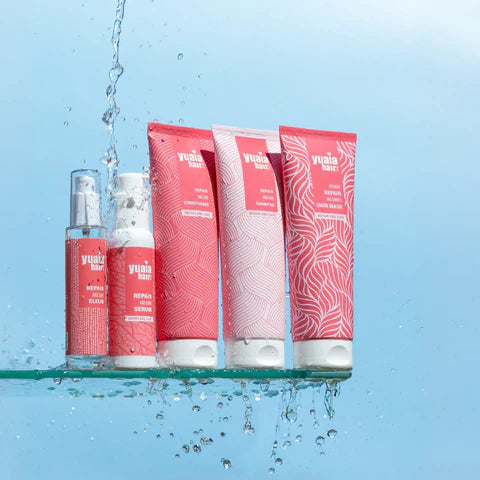
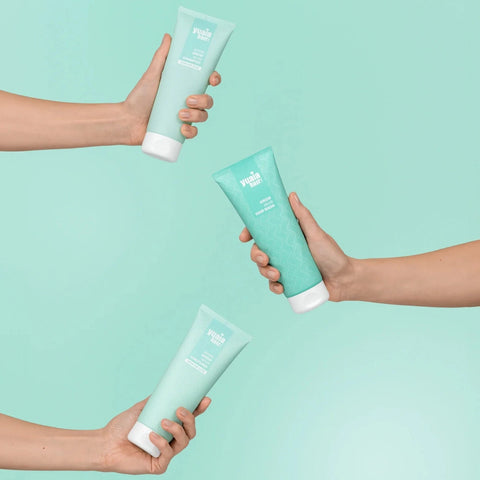
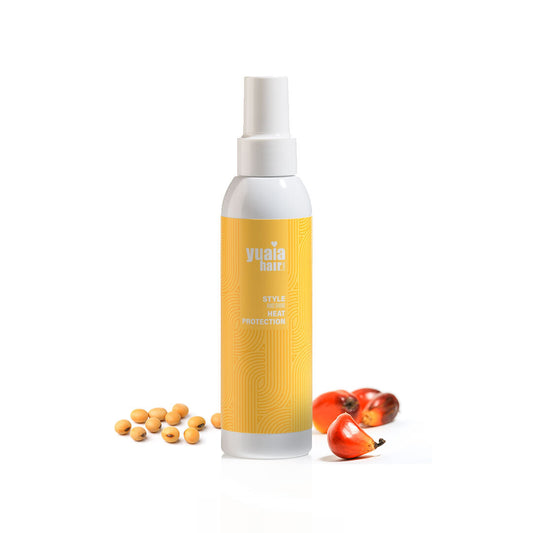
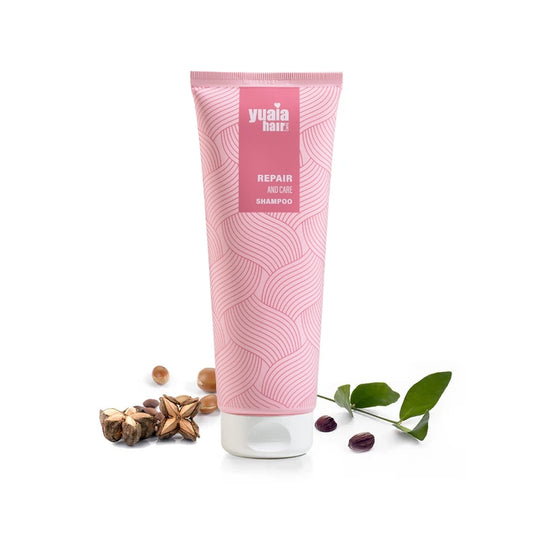
One effective approach is to incorporate gentle, sulfate-free shampoos into your routine. These shampoos can help reduce irritation and inflammation, which are common contributors to scalp discomfort. For instance, our heat protectant spray is designed to shield your hair from styling stress, minimizing the potential for scalp irritation.
Another simple yet effective remedy is the application of warm compresses. This can help soothe inflamed areas and alleviate pain. If your scalp pain is due to a pimple or boil, maintaining a clean scalp by washing with a mild shampoo can prevent further irritation.
It's important to recognize when home remedies may not be enough. Persistent or severe pain, especially if accompanied by other symptoms like fever or vision changes, warrants professional medical evaluation. Conditions such as neuralgia or temporal arteritis require timely medical intervention to prevent complications.
Preventive measures and lifestyle adjustments
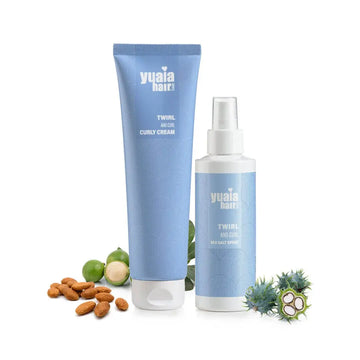
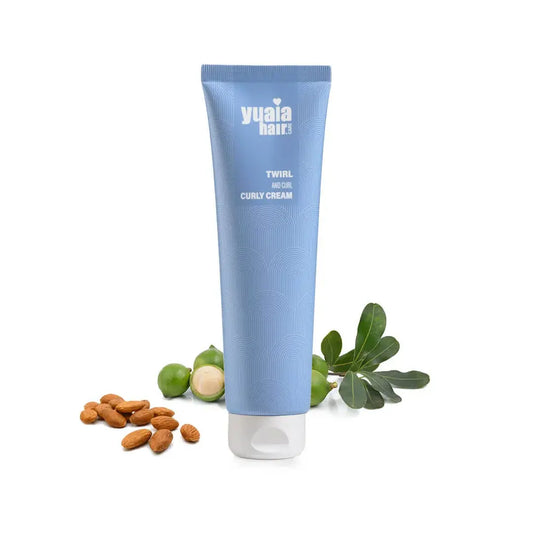
Preventing scalp pain involves adopting gentle hair care practices and making mindful lifestyle adjustments. Opting for loose hairstyles can significantly reduce the risk of trauma or injury to the scalp. If you enjoy styling your hair, consider using our Twirl and Curl curly cream to enhance your curls without causing unnecessary tension on your scalp.
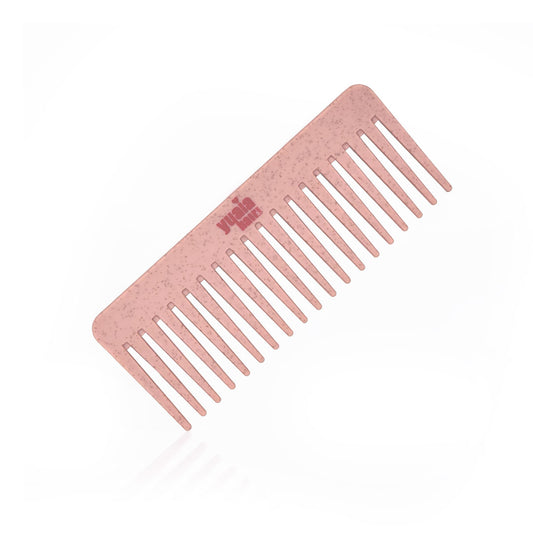
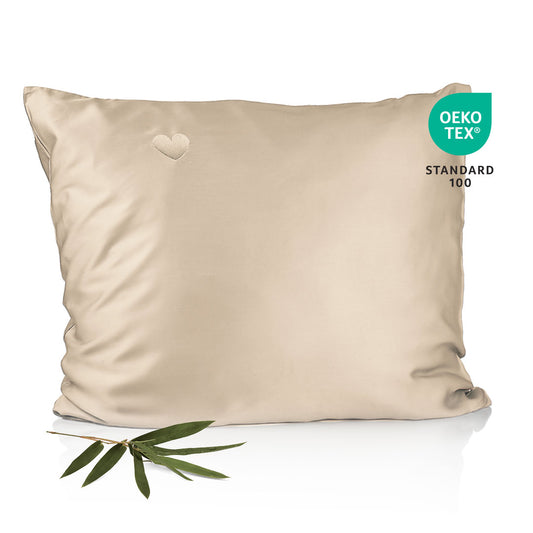
Incorporating the right hair care accessories can also make a difference. For instance, using a wide-toothed comb can help detangle your hair without pulling on your scalp, reducing the likelihood of pain or irritation. Additionally, sleeping on a bamboo pillowcase can minimize friction and breakage, promoting overall scalp health.
Lastly, consider the impact of stress on your scalp. Stress management techniques such as meditation or yoga can help reduce flare-ups related to conditions like psoriasis or dermatitis. A balanced diet also supports hair health, ensuring your scalp remains in optimal condition.
Additional insights on scalp care
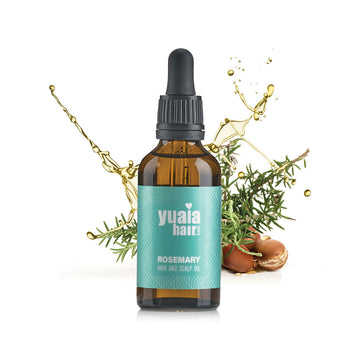
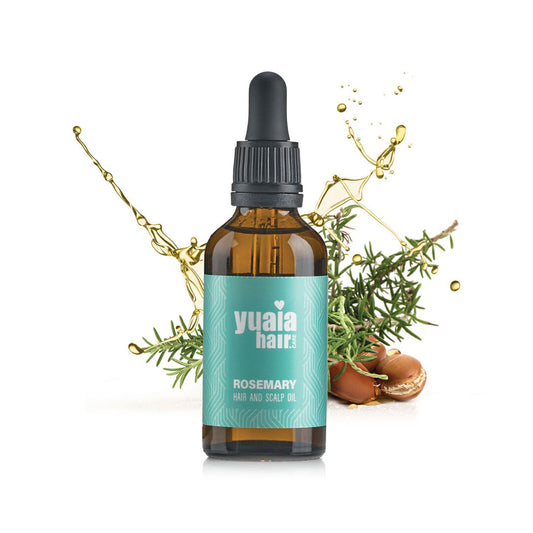
Beyond identifying and treating the causes of scalp pain, it's important to consider how environmental factors may influence scalp health. Pollution, for instance, can exacerbate scalp issues by clogging pores and leading to inflammation. Protecting your scalp from harsh weather conditions, such as extreme cold or heat, can also prevent irritation and discomfort. Using a quality hair oil, like our Rosemary oil, can help nourish and shield your scalp from environmental stressors.
Another factor to consider is the material of your pillowcase. Bamboo pillowcases are a great choice as they are gentle on the scalp and help reduce friction while you sleep, minimizing the risk of irritation and breakage. This simple switch can contribute to a healthier scalp and more comfortable sleep.
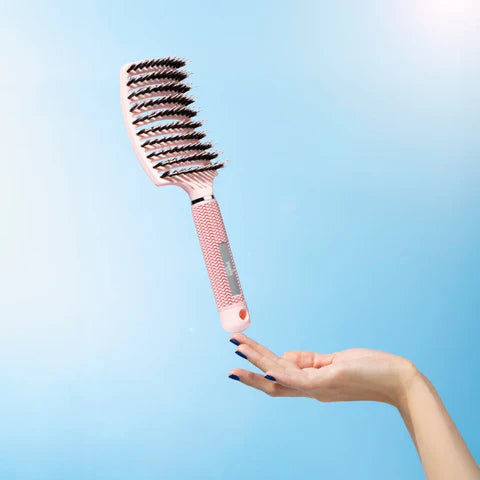
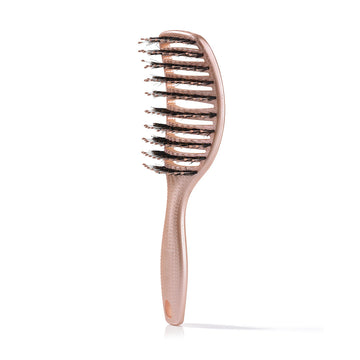
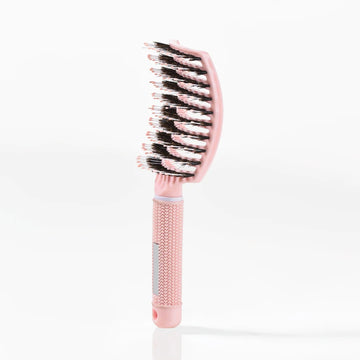
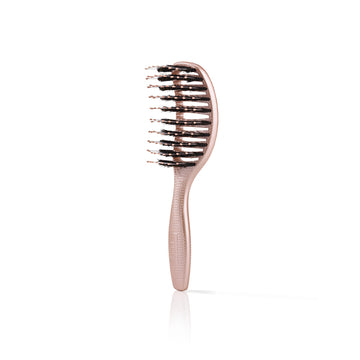
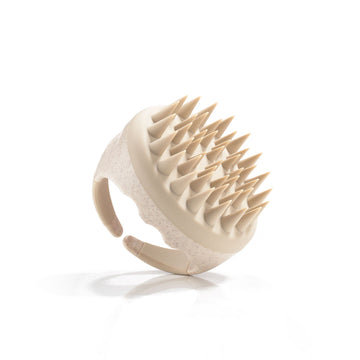
When it comes to maintaining a healthy scalp, the use of appropriate hair care tools is also important. For instance, using a brush made with natural materials can help distribute oils evenly across the scalp without causing damage. At Yuaia Haircare, we offer a Curvy Brush that is gentle on the scalp and helps reduce stress during brushing.
Frequently asked questions
What can cause scalp pain without visible symptoms?
Scalp pain without visible symptoms can be attributed to neuralgia or internal inflammation. This type of pain is often nerve-related and may require medical evaluation to determine the underlying cause and appropriate treatment.
Can hair products contribute to scalp pain?
Yes, certain hair products containing harsh chemicals can irritate sensitive scalps. Ingredients like sulfates and dyes may lead to discomfort. Opting for gentle alternatives, such as sulfate-free shampoos, can help alleviate this issue.
How can I tell if my scalp pain is serious?
Determining the seriousness of scalp pain involves assessing the intensity and duration of the discomfort. If the pain is persistent, severe, or accompanied by symptoms such as fever or vision changes, it is important to consult a healthcare professional for further evaluation.


