 Entrega en 2-4 días
 Más de 100.000 clientes satisfechos
 Garantía de satisfacción










How to manage and reduce frizz in curly hair
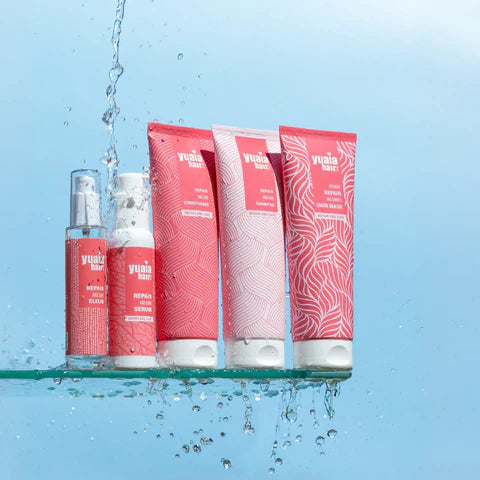
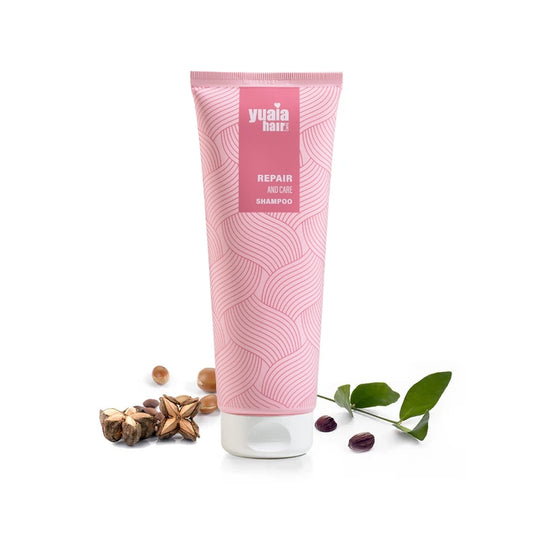
Managing frizz in curly hair begins with understanding the importance of hydration. Curly hair is naturally more prone to dryness, which can lead to frizz. Using sulfate-free products is crucial to maintaining moisture and avoiding further dryness. Consider our Repair and Care shampoo for dry, curly hair, which gently cleanses while preserving essential oils and moisture.
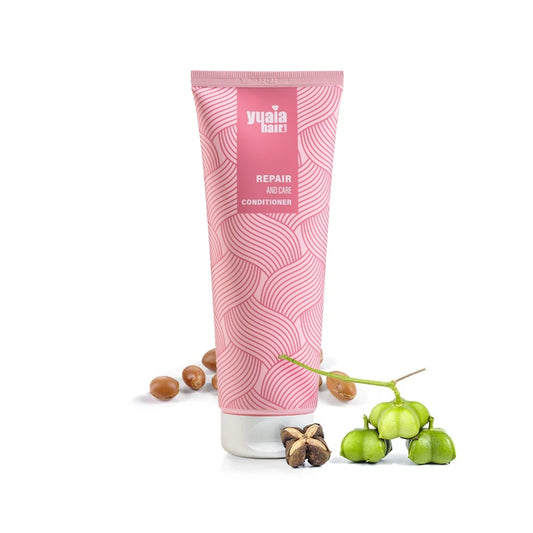
Another effective strategy for reducing frizz is to clarify and remove buildup that can block moisture. Regularly incorporating a clarifying routine helps to eliminate residues from sulfates, silicones, and hard water minerals, which can contribute to frizz. This ensures that your hair can absorb moisture properly, maintaining its natural curl pattern.
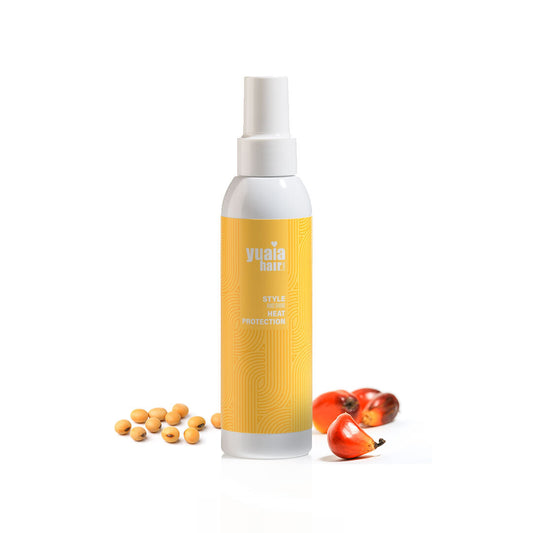
Preventing heat damage is also essential in managing frizz. Limit the use of heat styling tools and always apply a protective product, such as a heat protectant spray, before styling. This creates a barrier between your hair and the heat, reducing the risk of damage and frizz.
Gentle styling techniques
Embracing gentle styling techniques can significantly reduce frizz and enhance curl definition. One popular method is the "squish to condish" technique, which involves applying conditioner and gently scrunching the hair upwards to encourage curl formation while wet. This helps to lock in moisture and minimize frizz.
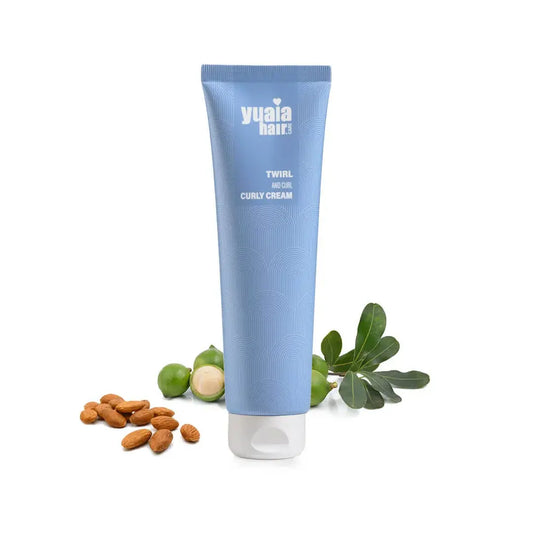
Additionally, using the right styling products can make a big difference. Our Twirl and Curl curly cream is designed specifically for curly hair, providing hold and reducing frizz without weighing down your curls. Apply it to damp hair and scrunch to enhance your natural curl pattern.
Incorporate these strategies into your hair care routine to effectively manage and reduce frizz, allowing your curls to shine with their natural beauty.
Addressing common curly hair frizz questions
How does protein balance affect frizz?
Protein plays a vital role in maintaining the strength and elasticity of curly hair. An imbalance, whether it's too much or too little protein, can lead to frizz. If your hair feels mushy or overly soft, it might be lacking protein. Conversely, if it feels stiff and brittle, it could have an excess of protein. Balancing protein with moisture is key to reducing frizz and maintaining healthy curls.
Is air-drying better for curly hair?
Air-drying is generally better for curly hair as it minimizes heat exposure, which can cause damage and frizz. Allowing your curls to dry naturally helps them retain their shape and moisture. If you must use a blow dryer, opt for a diffuser attachment and use a low heat setting to gently dry your hair without disrupting the curl pattern.
What are the best practices for drying curly hair?
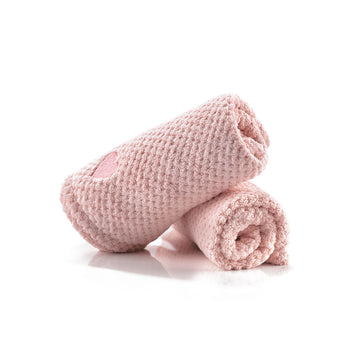
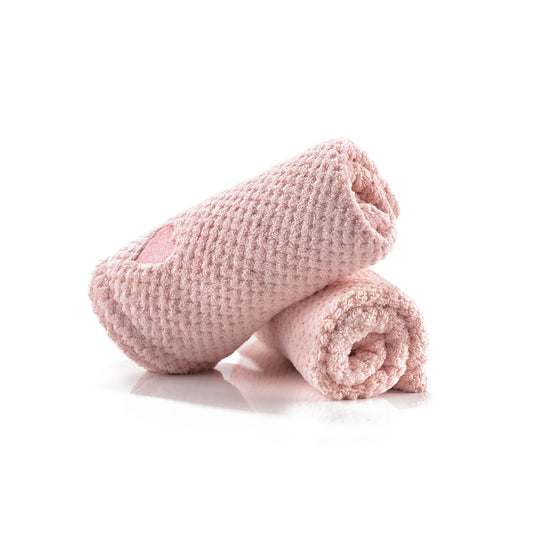
Using a microfiber towel is recommended for drying curly hair. Unlike regular towels, which can create friction and lead to frizz, a microfiber towel gently absorbs excess water without roughening the cuticle. Simply wrap your hair in the towel and squeeze gently to remove water, avoiding any rubbing or twisting motions.
Special considerations for different climates
Managing frizz in humid environments
Humidity can be a challenge for curly hair, as the moisture in the air can disrupt the hair's hydrogen bonds, leading to frizz. To combat this, use anti-humidity products and consider protective styles like braids or buns. These styles help shield your hair from the elements and maintain its shape.
Dealing with dry climates
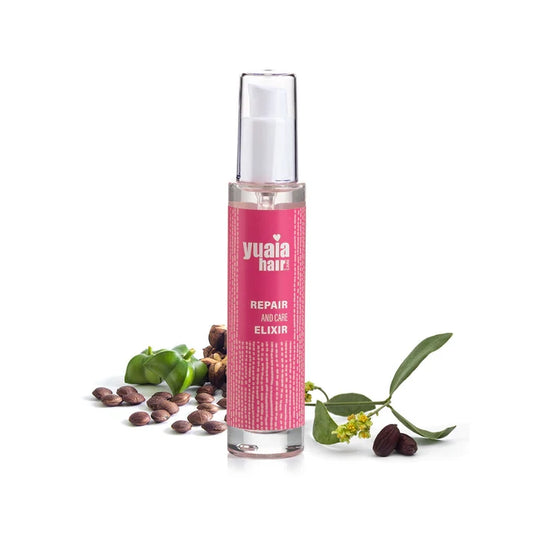
In dry climates, keeping curls hydrated is essential. Deep conditioning treatments are beneficial in such environments, as they provide intense moisture and help seal the cuticle. Regular use of nourishing treatments can prevent dryness and reduce frizz, ensuring your curls remain soft and defined.
Frequently asked questions
Can frizzy hair be a sign of damage?
Yes, frizzy hair can indicate underlying damage. Factors like heat styling, chemical treatments, and environmental exposure can weaken the hair's structure, leading to frizz. To repair damage, incorporate nourishing treatments and avoid harsh styling practices.
What ingredients should be avoided?
To minimize frizz, it's wise to avoid ingredients like sulfates and silicones. Sulfates can strip hair of its natural oils, while silicones can create buildup that blocks moisture. Opt for products that are free from these ingredients to maintain healthy, frizz-free curls.
How often should curly hair be trimmed?
Regular trims, every 8-12 weeks, are recommended to maintain healthy curls and reduce frizz. Trimming removes split ends and prevents them from traveling up the hair shaft, which can lead to increased frizz and breakage.


