 Livraison en 2-4 jours
 100 000+ clients satisfaits
 Garantie de satisfaction







What makes hair feel coarse?
Understanding the underlying causes of coarse hair is essential to addressing its texture. Genetics play a significant role, as the thickness and texture of hair are often inherited traits. Individuals with coarse hair typically have a larger diameter of hair, which contributes to a rougher feel. However, environmental and lifestyle factors can exacerbate these natural tendencies. Exposure to hard water, for example, can lead to mineral build-up on the hair, making it feel even coarser. Additionally, frequent use of heat styling tools and harsh chemical treatments can damage the hair cuticle, increasing its roughness.
The structure of hair also plays a crucial role in its texture. Each hair is composed of multiple layers, including the cuticle, which is the outermost layer. In coarse hair, the cuticles are often raised, making the hair feel rougher. Hair porosity, which refers to the hair's ability to absorb and retain moisture, can also affect texture. Coarse hair is often more porous, meaning it can absorb moisture quickly but also lose it just as fast, leading to dryness and a rough feel.
Step 1: Gentle cleansing and build-up removal
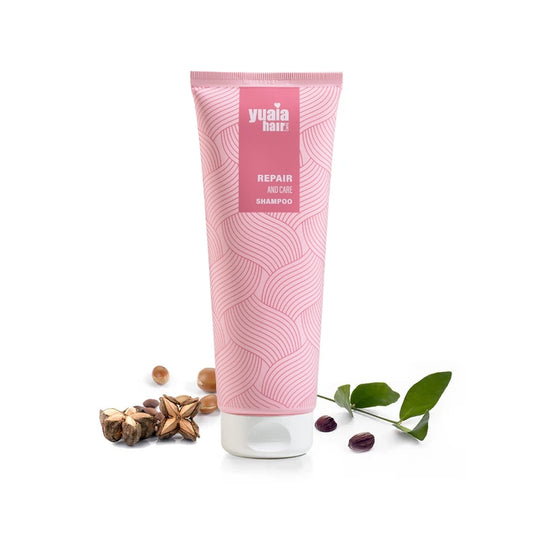
To soften coarse hair, begin with a gentle cleansing routine that avoids harsh shampoos. Sulfate-free shampoos are ideal as they prevent the stripping of natural oils, which can lead to increased dryness and coarseness. For those experiencing significant build-up, incorporating natural clarifying treatments can be beneficial. Bentonite clay masks, for instance, are an excellent way to remove impurities and excess oils without resorting to chemical-laden products. Additionally, acidic rinses using diluted apple cider vinegar can help balance the hair's pH, smoothing the cuticle and enhancing softness.
Step 2: Deep conditioning and weekly masks
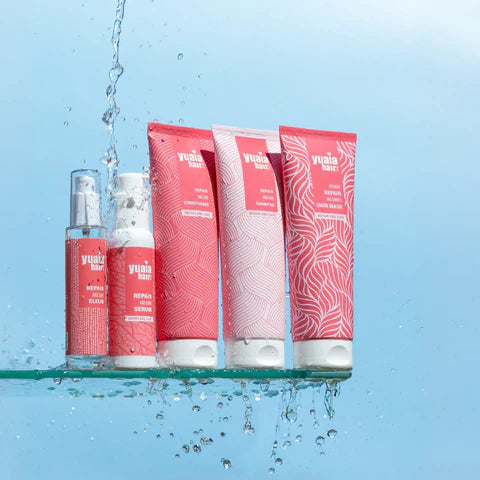
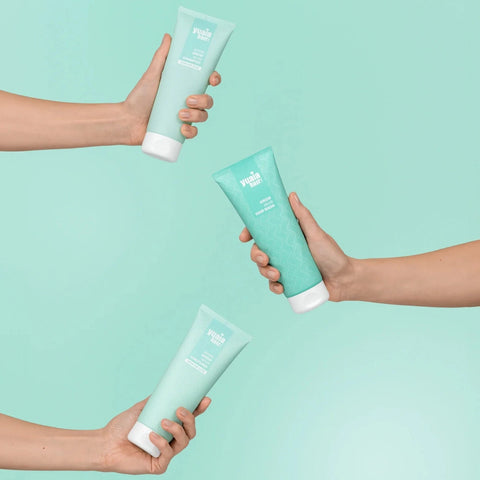
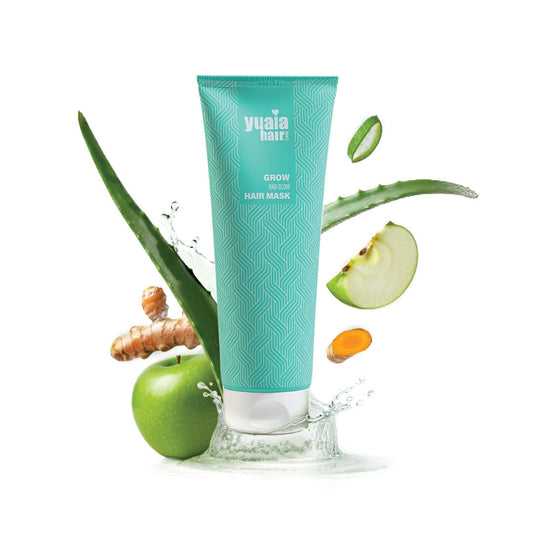
Regular deep conditioning is vital for maintaining moisture and softness in coarse hair. A weekly deep conditioning treatment can provide the hydration needed to penetrate the hair shaft, smoothing the cuticle and reducing roughness. For a simple yet effective DIY mask, combine shea butter and glycerin, both of which are known for their moisturizing properties. Alternatively, using our moisturizing hair mask offers a convenient solution, providing intense hydration and nourishment to coarse hair.
Step 3: Incorporating natural oils and leave-ins
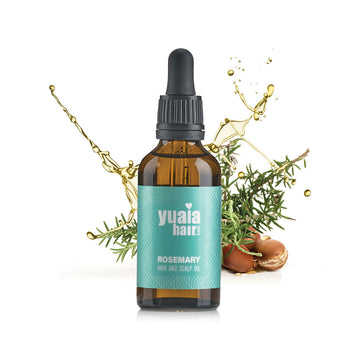
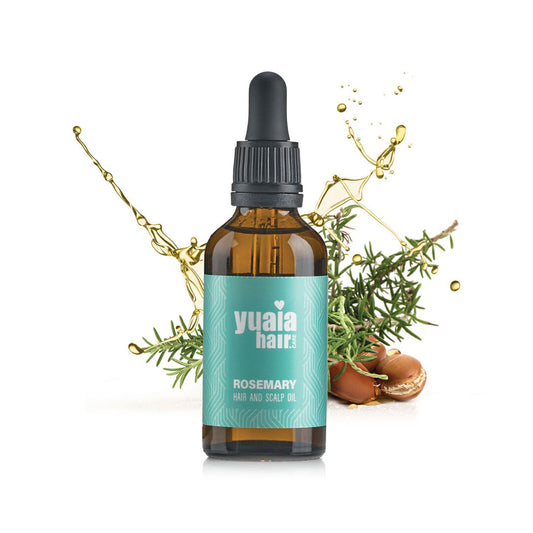
Natural oils are excellent for adding moisture and protection to coarse hair. Oils such as argan, coconut, and jojoba are particularly effective. To achieve the best results, apply a small amount of oil to damp hair, focusing on the ends to avoid greasiness. This method helps seal in moisture and enhances softness without weighing the hair down. For those looking for a ready-made solution, our rosemary hair oil is specially formulated to nourish and protect, leaving hair feeling soft and manageable.
Step 4: Adjusting washing and water habits
Adjusting your washing routine can significantly impact the softness of coarse hair. Co-washing, or washing with conditioner instead of shampoo, helps retain natural oils and moisture. Reducing the frequency of washing can also prevent over-drying. When washing, opt for lukewarm water to preserve natural oils and finish with a cool rinse to smooth the cuticle and enhance shine. This simple change can make a noticeable difference in the texture and feel of your hair.
Step 5: Everyday protection against roughness
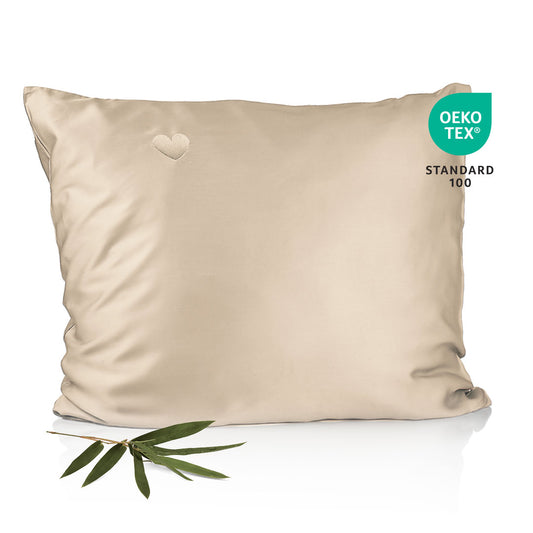
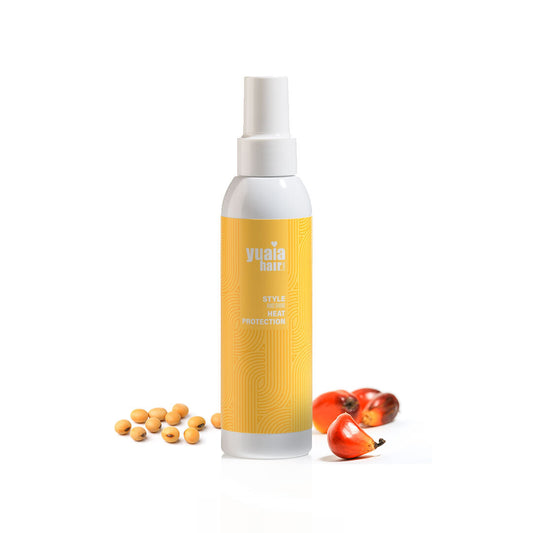
Protecting coarse hair from daily wear and tear is crucial for maintaining softness. Sleep and styling habits play a significant role. Consider using protective hairstyles and sleeping on a bamboo pillowcase to minimize friction and prevent frizz. Additionally, limiting heat styling and using a heat protectant spray when styling can shield hair from damage, preserving its softness and health.
Specific considerations for different hair types
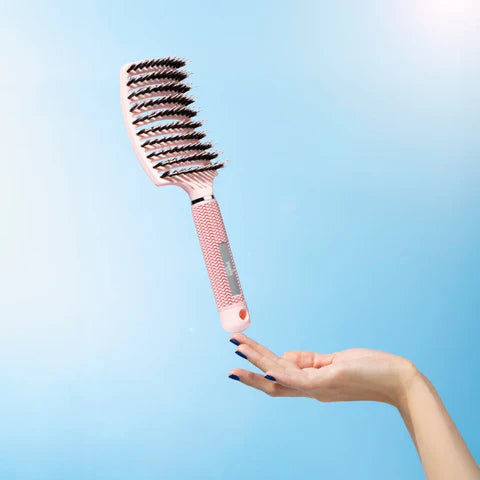
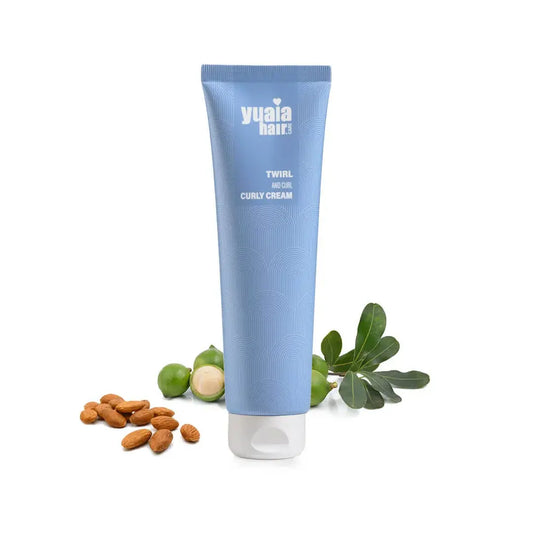
When it comes to softening coarse hair naturally, understanding the unique needs of different hair types is vital. Coarse curly hair, for instance, requires heavier moisturizing and gentle detangling to maintain its natural curl pattern while enhancing softness. Using products like our Twirl and Curl curly cream can provide the moisture and definition needed for curly hair, ensuring it remains soft and manageable.
For those with coarse gray hair, maintaining softness involves a slightly different approach. Gray hair tends to be more porous and can feel coarser due to the lack of natural pigment. Regular use of moisturizing treatments and oils can help keep gray hair soft and vibrant. Consider exploring our existing article on softening coarse gray hair naturally for more tailored advice.
Simple DIY recipes and product comparisons
Creating homemade treatments can be a rewarding way to soften coarse hair naturally. One popular DIY option is an egg and oil mask, which provides protein and moisture. However, for those seeking a no-mess alternative, our protein-rich Yuaia hair mask offers a convenient solution with similar benefits.
Another effective DIY treatment is an aloe vera leave-in spray, which can be made by mixing aloe vera juice with water. This homemade spray provides hydration and soothing properties. For a ready-made alternative, our leave-in conditioner offers a hassle-free option with added benefits, such as enhanced moisture retention and ease of use.
Frequently asked questions
What causes coarse hair?
Coarse hair is primarily caused by genetic factors, which determine the thickness and texture of your hair strands. Environmental influences, such as exposure to hard water and the use of harsh styling products, can also contribute to its coarseness.
Can you make coarse hair soft without chemicals?
Yes, it is possible to soften coarse hair naturally without the use of chemicals. By incorporating natural oils, gentle cleansing practices, and regular deep conditioning treatments, you can achieve softer, more manageable hair.
How long does it take to soften coarse hair naturally?
The time it takes to soften coarse hair naturally can vary depending on the current condition of your hair and the consistency of your care routine. Generally, noticeable improvements can be seen within a few weeks of regular treatment.
Is coconut oil good for coarse hair?
Coconut oil is beneficial for coarse hair as it penetrates the hair shaft, providing deep moisture and helping to reduce frizz. To avoid greasiness, it is best applied sparingly, focusing on the ends of the hair.


