Livraison en 2-4 jours
 100 000+ clients satisfaits
 Garantie de satisfaction







Limitations of cold water in hair care
While the benefits of cold water for hair are often highlighted, it's essential to understand its limitations. One prevalent myth is that cold water can significantly increase hair growth or prevent hair loss. However, there is no scientific evidence supporting these claims. Hair growth is primarily influenced by genetics, overall health, and proper nutrition, rather than the temperature of the water used during washing.
Another misconception is that cold water adds moisture to hair. In reality, cold water helps retain the moisture and nutrients provided by your hair care products rather than adding new moisture. This means that while a cool rinse can help lock in the benefits of conditioners or masks, it is not a substitute for a comprehensive hair care routine that includes moisturizing products.
When it comes to cleansing, cold water falls short. It is less effective at removing oils, dirt, and product build-up compared to warmer water. This is because warm water helps to open the hair cuticle, allowing shampoos and cleansers to work more effectively. Therefore, using lukewarm water for washing is generally recommended to ensure your hair is thoroughly clean and free of residue.
Optimal water temperatures for different hair care steps
Understanding the best water temperatures for various hair care steps can enhance your routine. For washing, lukewarm water is ideal as it balances the need to cleanse effectively with the preservation of your hair's natural moisture. This temperature helps open the hair cuticle slightly, allowing for a thorough cleanse without causing excessive dryness.
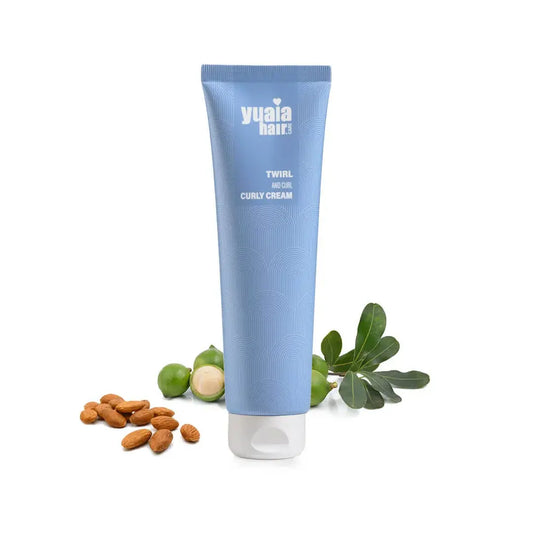
After washing, a cool rinse can be beneficial. This practice helps to smooth the hair cuticle, which can enhance shine and reduce frizz. By sealing the cuticle, a cool rinse locks in the moisture and benefits of any conditioners or treatments applied during your routine. For those with curly hair, using a product like our Twirl and Curl curly cream can further define curls and reduce frizz when used in conjunction with a cool rinse.
Different hair types may respond uniquely to water temperatures. For example, individuals with fine hair might find that a final cool rinse adds volume and reduces limpness, while those with color-treated hair can benefit from reduced color fading by avoiding hot water. Tailoring your use of water temperature to your specific hair type can maximize the benefits of your hair care routine.
In conclusion, while cold water is not a miracle solution for all hair concerns, it can play a supportive role in enhancing shine and frizz control when used correctly. Combining the right water temperatures with effective hair care products can lead to healthier, more manageable hair.
Additional insights for water temperature in hair care
Understanding the nuances of water temperature in hair care is vital for achieving optimal results. While cold water can enhance shine and manage frizz, it is not a one-size-fits-all solution. The effectiveness of water temperature can vary significantly based on hair type, texture, and the specific needs of your hair.
For those with curly hair, a cool rinse can be particularly beneficial. It helps to define curls by sealing the cuticle, reducing frizz, and locking in moisture. Pairing this practice with a product like our Twirl and Curl curly cream can further enhance curl definition and manageability.
Color-treated hair, on the other hand, can benefit from avoiding hot water, which can cause color to fade faster. A cool rinse after conditioning can help maintain vibrancy and prolong the life of your color. Additionally, those with fine hair may find that a cool rinse adds volume and reduces limpness, providing a fuller, more voluminous look.
For optimal results, consider the specific needs of your hair type and adjust your water temperature accordingly. Combining the right water temperature with effective hair care products can lead to healthier, more manageable hair.
Frequently asked questions
Does cold water stop hair loss?
There is no scientific evidence that cold water can stop hair loss. Hair loss is influenced by various factors, including genetics and overall health. Cold water can help improve scalp health, which may support hair retention, but it is not a cure for hair loss.

Is it bad to wash hair in hot showers?
Washing hair in hot water can strip it of natural oils, leading to dryness and potential damage. It is best to use lukewarm water for washing, as it effectively cleanses without causing excessive dryness.
How long should a cold rinse be?
A cold rinse should be brief, typically lasting about 30 seconds to a minute. This duration is sufficient to help seal the cuticle and enhance shine without causing discomfort.