 2-5 day delivery
 25.000+ satisfied customers
 Satisfaction Guarantee











Cold water as a final rinse: advantages and limitations
In the quest for optimal hair health, the use of cold water as a final rinse has gained attention for its unique benefits. When used after washing with lukewarm water, cold water can effectively close the hair cuticles. This action helps to lock in moisture, which is essential for maintaining hydrated and shiny hair. The sealing of the cuticles also enhances the overall smoothness of the hair, reducing frizz—a common concern for those with curly or textured hair types.
Additionally, a cold water rinse can help preserve the natural oils of the scalp. By not stripping away these oils, the scalp remains balanced, which can alleviate issues like dandruff. Furthermore, the cooling effect of cold water may improve scalp circulation, contributing to a healthier environment for hair growth.
However, there are limitations to using cold water throughout the entire washing process. Cold water does not effectively dissolve oils or product buildup, which means it cannot cleanse the hair thoroughly on its own. This can lead to hair feeling weighed down, especially for those with fine hair. Therefore, cold water is best reserved for the final rinse to maximize its benefits without compromising cleanliness.
The hybrid approach: combining temperatures for optimal results
For those seeking a balanced hair care routine, a hybrid approach that combines lukewarm and cold water offers a comprehensive solution. This method involves washing hair with lukewarm water to open the cuticles for deep cleansing. Lukewarm water effectively removes oils and product buildup, making it ideal for oily scalps or hair that frequently undergoes styling.
After cleansing, a cold water rinse can be applied to seal the cuticles, locking in moisture and enhancing shine. This approach not only caters to most hair types, including color-treated hair, but also addresses specific needs such as frizz control and scalp health. For individuals with curly or textured hair, this routine can help reduce frizz while maintaining the natural curl pattern. However, those with fine or oily hair should avoid using cold water for the entire wash to prevent limpness.
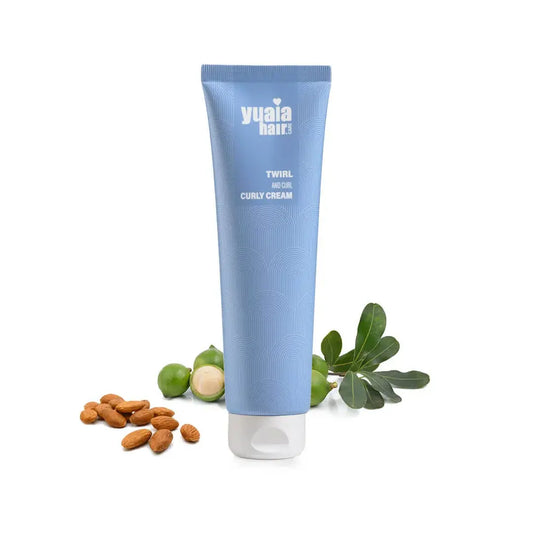
To further enhance this routine, consider integrating our Twirl and Curl curly cream after the cold rinse. This product is designed to define and nourish curls, providing additional moisture and control without weighing down the hair.
Incorporating a hybrid washing method not only optimizes hair health but also allows for a personalized routine that can be adjusted based on individual hair needs and concerns.
Practical tips for implementing a hybrid hair wash routine
Adopting a hybrid hair wash routine can significantly enhance your hair's health and appearance. By combining the benefits of lukewarm and cold water, you can achieve optimal results. Here's a step-by-step guide to help you incorporate this method into your regular hair care routine:
- Start with lukewarm water: Begin by wetting your hair thoroughly with lukewarm water. This temperature helps to open the hair cuticles, allowing for effective cleansing. It's particularly beneficial for those with oily scalps or hair that accumulates product buildup.
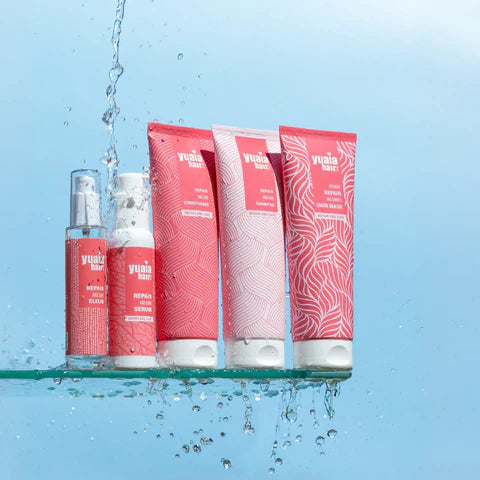
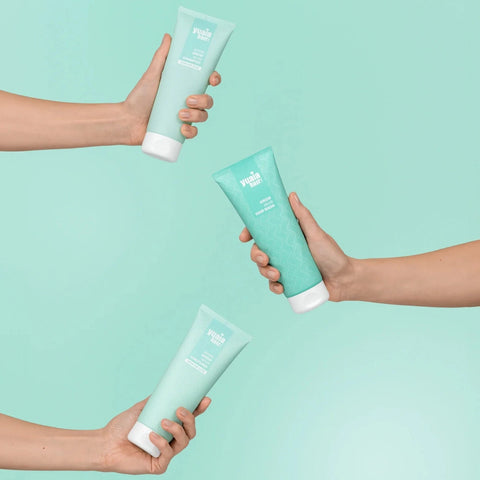
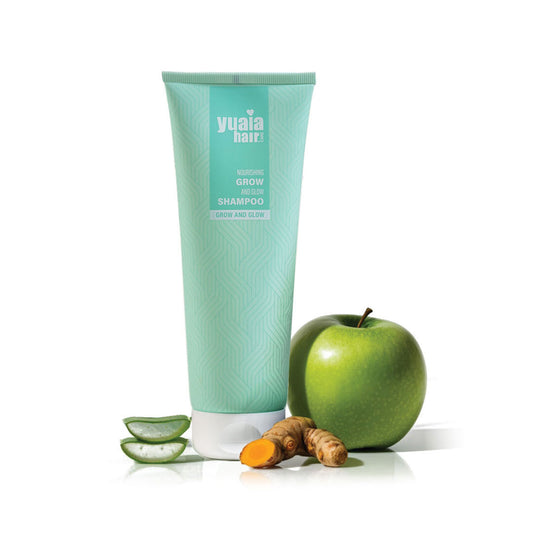
- Apply a sulfate-free shampoo: Use a gentle, sulfate-free shampoo to cleanse your hair. This will help remove dirt and excess oils without stripping your hair of its natural moisture. At Yuaia Haircare, we offer a Grow and Glow Shampoo that is perfect for this step.
- Rinse with lukewarm water: After massaging the shampoo into your scalp, rinse thoroughly with lukewarm water to ensure all product and impurities are washed away.
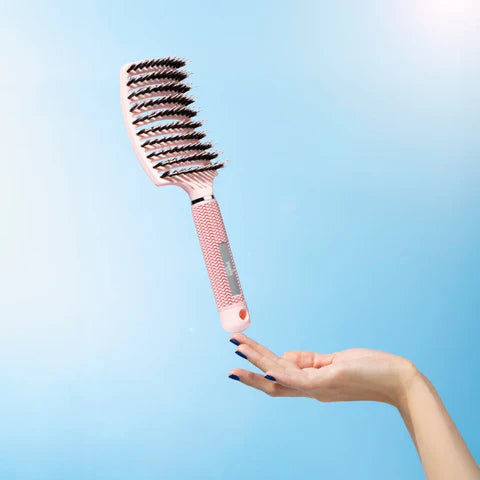
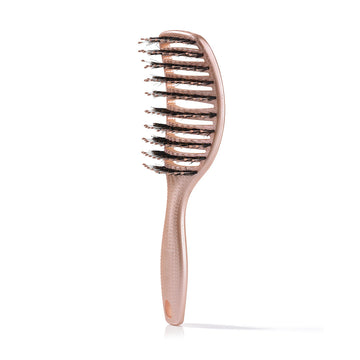
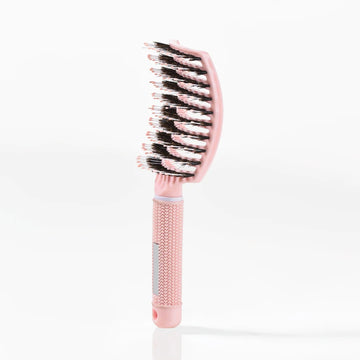
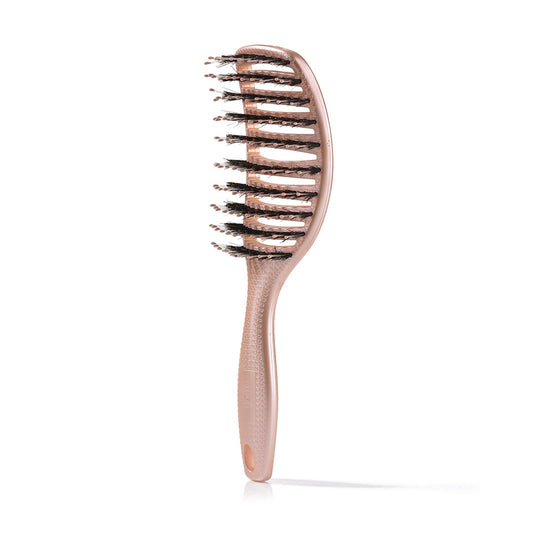
- Condition and detangle: Apply a nourishing conditioner to your hair, focusing on the mid-lengths and ends. Use a wide-tooth comb or a boar bristle brush, such as our Curvy Brush, to gently detangle your hair.
- Finish with a cold rinse: Finally, rinse your hair with cold water. This step helps to close the cuticles, locking in moisture and enhancing shine. It also aids in reducing frizz and preserving the natural oils of your scalp.
Maintaining hair health beyond water temperature
While water temperature plays a significant role in hair care, other factors also contribute to maintaining healthy hair. Using the right tools and products can complement the benefits of a hybrid wash routine.
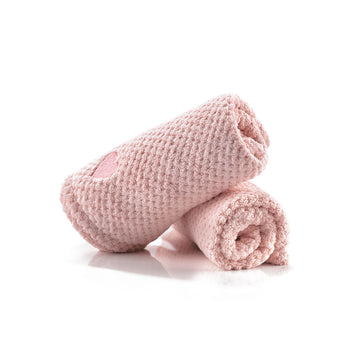
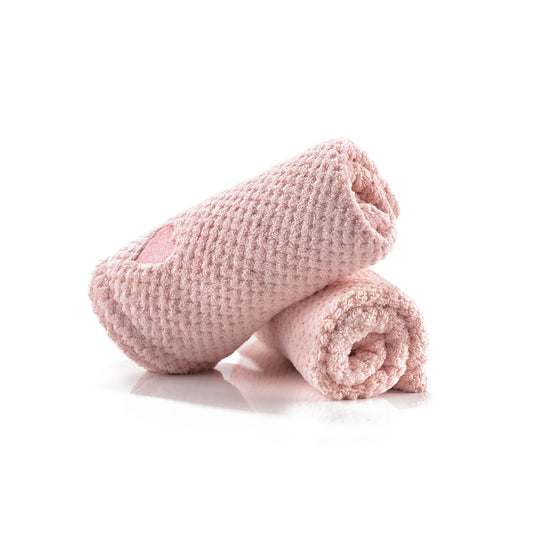
For instance, using a microfiber towel can help reduce frizz and breakage when drying your hair. At Yuaia Haircare, we offer a microfiber towel that is gentle on your hair and helps to absorb excess water without causing damage.
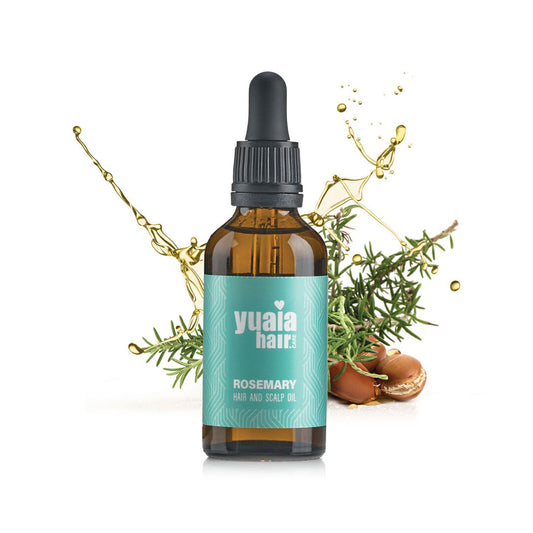
Additionally, incorporating a nourishing hair oil like our Rosemary oil can provide added moisture and protection, especially when used after a cold rinse. This oil helps to seal in hydration and promote a healthy scalp environment.
Frequently asked questions
Does cold water promote hair growth?
Cold water helps to prevent the over-stripping of natural oils, which can contribute to a healthier scalp environment. However, it does not directly stimulate hair growth. Maintaining a balanced routine with proper scalp care is more effective for supporting hair growth.
Can cold water help reduce frizz?
Yes, a cold water rinse can smooth the hair cuticle, which helps to reduce frizz. This is particularly beneficial for those with curly or textured hair, as it enhances smoothness and shine.
Is it necessary to use cold water for the entire wash?
It is not necessary to use cold water for the entire washing process. Cold water is most effective when used as a final rinse to seal the cuticles and lock in moisture. Using lukewarm water for the initial wash is recommended for effective cleansing.


