2-5 day delivery
 100.000+ satisfied customers
 Satisfaction Guarantee











Fine hair is different from thin hair
Fine hair describes the thickness of each strand; thin hair describes density. You can have many fine strands. Your lengths can also be dry even when your roots get oily quickly. Choose care for both needs rather than treating every part of your hair the same.
How to choose a lightweight conditioner
Choose a conditioner that suits the needs of your mid-lengths and ends, and consider the whole formula. Silicone-free or sulphate-free does not guarantee lightweight care. Silicones and oils are not automatically too heavy in every product either. Conditioner can leave hair softer and more manageable, but does not make individual strands permanently thicker.
How much conditioner should you use?
Follow the directions and start at the lower end of the recommended amount. Spread a little through the lengths and ends; add more only if needed for coverage and detangling. Long fine hair may need more than short fine hair. There is no fixed spoonful that suits everyone.
How to apply conditioner to fine hair
- Wash with a shampoo suited to your scalp and rinse.
- Gently squeeze out excess water and apply conditioner mainly to the lengths and ends.
- Detangle gently with your fingers or a suitable tool. Follow the stated contact time.
- Rinse out rinse-out conditioner thoroughly. Assess the weight and feel of your hair once dry.
What if your hair turns flat or greasy?
Try less conditioner and more thorough rinsing first. Keep it away from the roots unless the product is specifically intended for the scalp. If the lengths still feel coated, a lighter formula may suit you better. Oily roots do not mean dry ends must go without all conditioning.
How often does fine hair need conditioner?
Use it when washing if your lengths need it. Adjust how often you use conditioner based on tangles, dryness and how your hair feels after drying, rather than following a rigid daily routine. Coloured fine hair can also need conditioning; choose a suitable formula and amount without layering several rich products.
Rinse-out or leave-in conditioner for fine hair?
Rinse-out conditioner is washed out; leave-in is intended to stay in the hair. A lightweight leave-in can be an alternative or an extra step if needed. Start with a little and do not automatically use both. Do not use rinse-out conditioner as a leave-in unless its directions allow it.
Compare care for your lengths
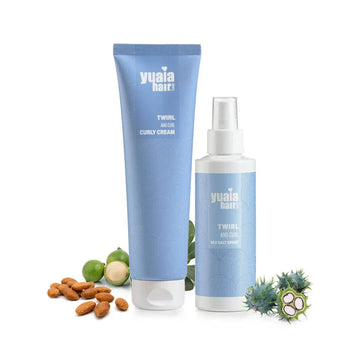
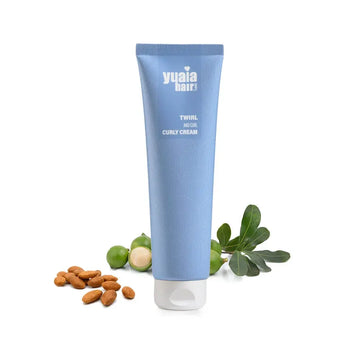
Explore our care for thin and fine hair. Read each product’s directions and choose haircare products that suit the needs of your mid-lengths and ends. Use the conditioners below according to their own instructions; fine hair does not automatically need the richest formula.

€24,99
Gentle detangling matters too
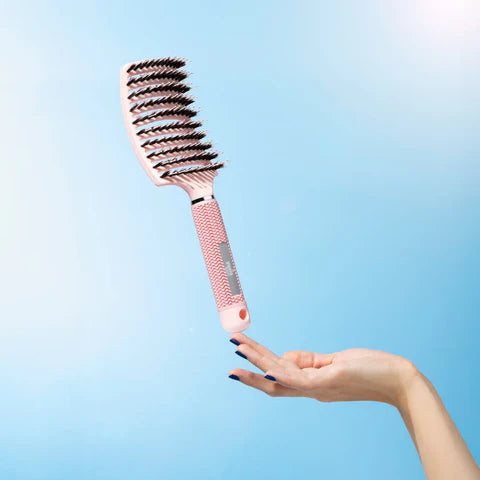
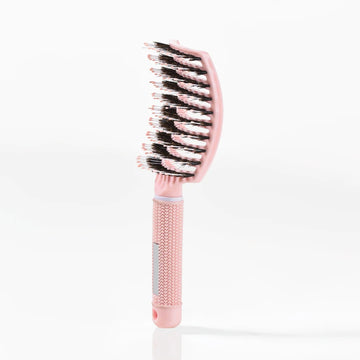
Work in small sections from the ends upwards without pulling through knots. Choose a tool suited to your hair’s condition and follow its instructions. Read about Curvy Brush when comparing brushes for your routine. More brushing does not replace the conditioning your lengths need.
Frequently asked questions
Does fine hair need conditioner?
It depends on the lengths. If hair tangles or feels dry, a little conditioner may help make it manageable. If it already feels light and easy to detangle, you can use less or skip it on occasional wash days.

Do you also need a hair mask and oil?
They are optional. Rich masks and extra oil layers can feel heavy on fine hair. Try one product and a small amount at a time so you can see what helps.