 2-5 day delivery
 100.000+ satisfied customers
 Free shipping over €99












Signs you have used too much oil
Hair may look flat, clump into strands or feel coated after applying oil. This is different from hair naturally becoming oily between washes. The amount and the whole formula matter; no oil is guaranteed to leave every hair type free of buildup.
A quick fix without washing
Gently press a clean, dry towel against oily lengths without rubbing. This may lift some surface oil, but will not remove everything. A loose updo can disguise the appearance until washing. Water mist and a hairdryer do not wash oil out, so avoid extra heat as a fix.
When dry shampoo can help
On dry hair, apply a small amount of dry shampoo only to greasy areas, following the label. Allow the stated time, then distribute or brush out as directed. It absorbs oil but does not replace cleansing with shampoo and water. Avoid piling on more products if your scalp feels irritated.
How to wash excess oil out
Use shampoo suited to your hair and follow its directions. Gently cleanse the scalp and oily areas, then rinse thoroughly. If needed and permitted by the product directions, repeat once rather than scrubbing harder. Condition the lengths as needed. Do not use washing-up liquid, baking soda or concentrated lemon or vinegar rinses.
Prevent the next oil overload
Start with a small amount, spread it between your palms and apply to the ends before moving up the lengths. Keep a finishing oil away from the roots if they become greasy easily. Scalp oils have different instructions. Add more only after assessing the result, not automatically every day.
Adjust to your hair and routine
Fine hair may need less than thick or curly hair. Richer does not always mean better. If hair feels coated or loses movement, reduce the amount or frequency and simplify the products layered together. A clarifying shampoo can be an occasional option when appropriate for your hair and its label.
Scalp discomfort and hair shedding
Stop a product that causes itching, burning or redness and wash it out as directed. Persistent symptoms or sudden, patchy or ongoing hair loss need professional assessment. Greasy-looking hair alone cannot diagnose blocked follicles or explain hair loss. More brushing, oil or aggressive cleansing is not a treatment.
Products for your routine
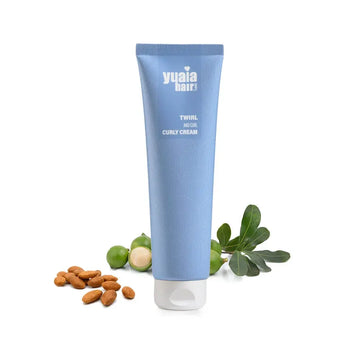
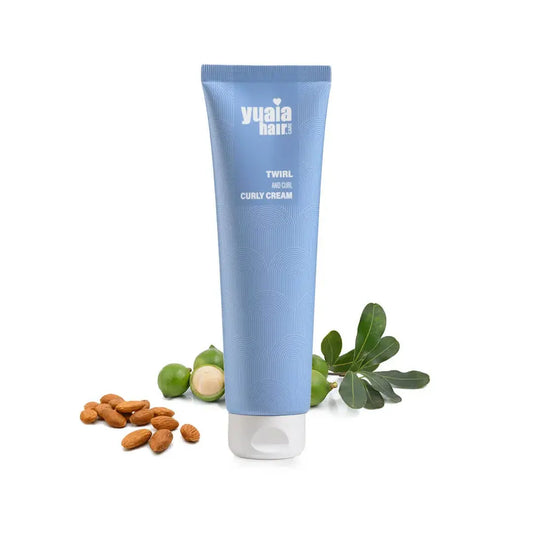
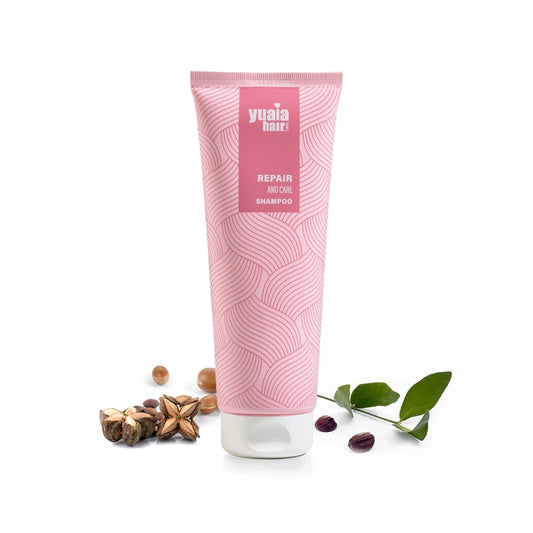
Choose products for the step you need: a temporary refresh, cleansing or styling after washing. Adding more styling cream or oil will not remove the oil already in your hair.



Questions about too much hair oil
Can I fix too much oil without dry shampoo?
You can gently blot surface oil or choose a loose style temporarily. For a thorough cleanse, use shampoo and water. A hairdryer does not evaporate the excess oil away.
How often should I use hair oil?
There is no fixed schedule for everyone. Follow the product label and adjust to your hair's response. If it becomes heavy or greasy, use less or apply it less often.
Read also
Sources: AAD: Healthy hair · AAD: Dry shampoo.


