 2-5 day delivery
 100.000+ satisfied customers
 Free shipping over €99










Homemade hydrating hair mask: ingredients, use and alternatives

by Nanna Bundgaard | 30. January 2026 | Reading time: 4 minutes
Read more about the authorA homemade hydrating hair mask can sound like an easy route to softer hair. But a kitchen recipe and a finished conditioning formula are different things. This guide covers common DIY ingredients, realistic expectations and a straightforward routine without altering products or extending their processing times.
What can a homemade hair mask do?
Separate how hair feels from new hair growth. An oil or conditioning treatment may change the feel of the lengths, but that does not establish that a homemade blend makes hair grow faster or thicker. Nor does it justify promises of permanent split-end repair. Assess softness, detangling and manageability instead of growth claims.
Ingredients: oils, aloe vera and foods
Coconut, argan and jojoba oils are used in haircare, but a pure oil is not the same as a finished hair mask. Aloe vera in an ingredient list is not the same as gel straight from a plant. Avocado, eggs and yoghurt do not provide a validated recipe with a fixed processing time or guaranteed result. Natural does not automatically mean suitable for your skin or hair.
A finished formula may combine conditioning agents differently from a homemade blend. You cannot transfer an ingredient's properties or a finished product's instructions directly to a DIY recipe.

Can you mix oil or butter into conditioner?
Use finished products as directed. Do not add oil, butter or other ingredients unless the manufacturer explicitly describes that combination. You cannot assume the mixture has the same properties or directions as the original. Do not make a larger batch and pour it back into the jar.
A simple at-home treatment without altering the formula
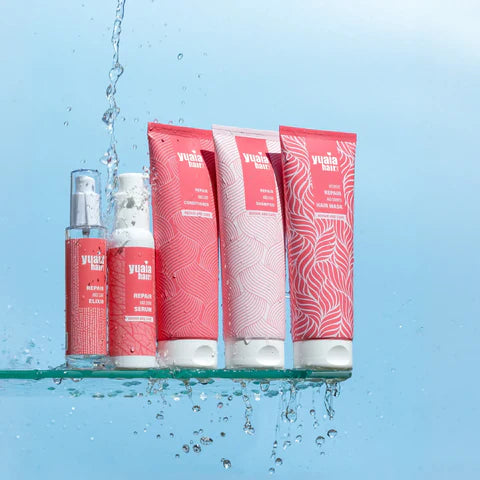
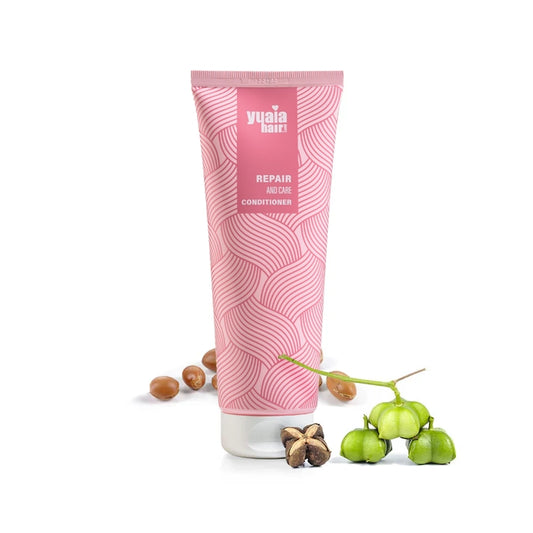
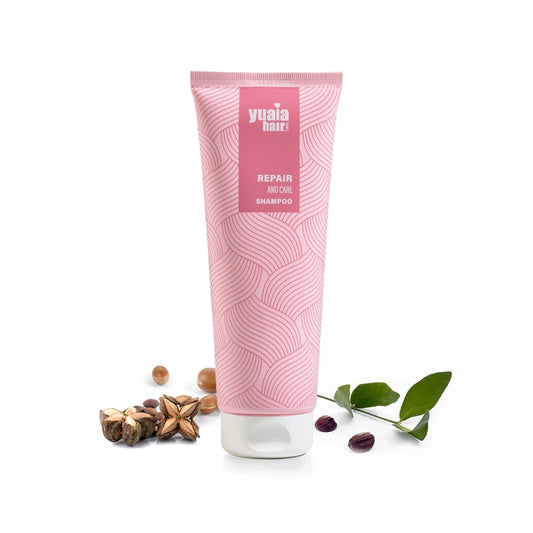
For softer, more manageable lengths, you can choose a finished mask and use it on its own. Intensive Repair and Care Hair Mask and Repair and Care Conditioner are options for a regular wash routine. Compare the current directions; whether to follow a mask with conditioner depends on the product and your hair.

- Choose a product for your hair type and read its directions.
- Apply the stated amount to the recommended areas.
- Observe the processing time and rinse thoroughly when directed.
- Assess the result after drying before adding more products.
Adjust the amount for fine, dry or curly hair
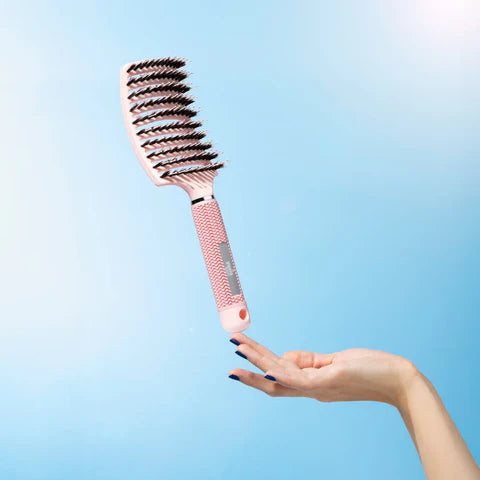
Fine hair that gets weighed down easily often needs less product, particularly on the ends. Dry or coarse lengths may need a different amount. If suitable for your hair, a wide-toothed comb can help gently distribute the product. Start at the ends and stop at resistance rather than pulling through knots.

Processing time, storage and overnight use
A homemade recipe does not automatically have an established processing time or shelf life. This guide therefore does not give universal mixing ratios or storage times for DIY masks. Only leave a finished product on overnight if explicitly intended for that use. An oil or food blend does not become suitable for a whole night because your hair is dry. Rinse out and stop use if irritation occurs.
Choose by formula and desired finish
Argan oil, jojoba, coconut oil and castor oil are different ingredients, but the properties of a finished hair oil depend on the whole formula and amount. Choose according to whether it is for the scalp, pre-wash treatment or finishing the lengths. Pure essential oil is different from formulated hair oil and should not be used undiluted. An ingredient name does not establish hair growth, heat protection or split-end repair.
Products: use only what your hair needs


€16,99

€32,99 €65,98
Frequently asked questions about DIY hair masks
Can a homemade mask increase hair growth?
A DIY recipe is not, by itself, evidence of faster growth or more hairs. Softer lengths and new hair growth are different results.
Can I mix oil into my hair mask?
Only if the manufacturer explicitly directs that combination. Otherwise, use products separately according to their own instructions.
Is homemade better because it is natural?
Not necessarily. Suitability depends on ingredients, formulation and use, not simply on the word natural.
More about your conditioning routine
See our guide to choosing and using a hair mask for dry hair.
Read about when a hair mask can be left on overnight.
Get a 10% discount code sent to you
Receive the best tips and tricks for your hair from Lotte and Nanna 🥰


