2-5 day delivery
 100.000+ satisfied customers
 Free shipping over €99
 Customer service










For loose waves
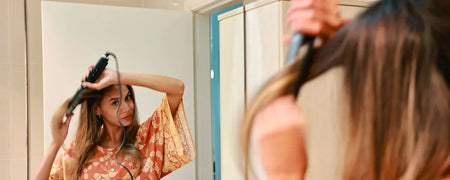
Use slightly larger sections and a gentle rotation, keeping the tool moving evenly. Starting further down the lengths gives a more relaxed shape. Once the hair has cooled, separate the waves gently with your fingers or brush them lightly for a softer finish.
For more defined curls
Use smaller sections so you can control the movement and distribute heat more evenly. Keep the rotation consistent as you glide towards the ends. Avoid holding the plates in place to make the curl tighter: this concentrates heat on one area.
Hairdresser's advice
Lasse Søby is a Danish hairdresser specialising in curls - Certified in Curl by Curl Cut™️ with training from Lorraine Massey herself in New York. In addition, he also uses other curl-cutting techniques on dry hair and is an expert in colour treatments. See his Instagram profile.

What is important before curling my hair with a heat tool?
- The most important thing to consider before styling your hair with a heat tool is, of course, heat protection. When we talk about heat tools where heat protection is necessary, we're talking about straighteners & curling irons, crimping irons and the like. If you want the curls you create with a straightener to last, you need to prepare your hair beforehand. Start with towel-dried hair, apply your leave-in conditioner/treatment, your heat protection and then add a mousse product, salt water or other styling product suitable for styling. Blow-dry the hair 100% dry. Apply a little more heat protection and start styling with your iron.
Are there any special techniques you can recommend?
- You can create different hairstyles with a curling iron or straightener using the following techniques:
Curling irons: - Beachy Waves: Take small sections of hair and wrap them loosely around the curling iron for a relaxed beach look - Tight Curls: Wrap small sections tightly around the curling iron for defined curls - Vintage Curls: Curl hair in the same direction to create elegant vintage curls.
Straighteners: - Sleek Straight: Straighten all your hair from root to tip for a sleek, shiny finish - S-Curve Waves: Create soft waves by making an S-shape with the straightener along the length of the hair - Twisted Ends: Twist the ends of the hair around the straightener for a subtle wavy look. And again, remember to protect your hair with heat protectant spray before using styling tools.
How do I get the best light curl/fall in my hair?
- To achieve the best light curl or fall in your hair with a styling iron, start by applying a heat protectant spray to minimise damage and follow the steps described earlier - take small sections of your hair and gently curl it with the iron, avoiding applying too much heat. Alternatively, you can achieve heatless curls by twisting your hair into small sections and securing it with bobby pins or hair clips while slightly damp around a Heatless Curl tool. Leave it in for a few hours or overnight and you have airy, light curls. Remember that the hair must be completely dry before removing it.

How to make straightener curls last longer
How well your curls hold depends on your hair texture, the weather, your styling technique and the products you use. A few small changes can help preserve the shape without repeatedly applying heat.
Choose lightweight styling products
If you use mousse or another preparation product, follow its directions and make sure the hair is completely dry before curling. Too much product can leave fine hair heavy and make it harder to achieve a bouncy result.
A salt water spray can add texture for a more relaxed, beachy finish. Follow the product's application instructions and avoid soaking freshly styled curls. Read our salt water spray guide for more tips.


Let the curls cool before brushing
Resist the urge to brush each curl immediately. Let your hair cool first, then gently separate the curls to create the finish you want. For extra hold, apply a light mist of hairspray according to the label directions.
Add volume without extra heat
Once the curls have cooled, lift them gently at the roots with your fingertips. If the roots feel oily, a little dry shampoo may help refresh them. Use small amounts so the hair stays light and easy to move.
Common mistakes to avoid
- Curling damp hair. Hair should be completely dry before using a conventional straightener, including after applying products.
- Clamping too tightly. This makes the tool harder to move and can leave dents. Use enough pressure to guide the hair smoothly.
- Taking oversized sections. Smaller sections are easier to control and can help you avoid repeated passes.
- Stopping midway. Keep the straightener moving to avoid concentrating heat in one spot.
- Using excessive heat. Follow the manufacturer's guidance and use the lowest effective setting.
- Straightening each section before curling it. Detangle first, but avoid an unnecessary extra heat pass simply to prepare for a curl.
- Brushing too soon. Allow the curls to cool before loosening them.

Keep your curls looking fresh
Try to avoid repeatedly running your fingers through your hair during the day. If a section becomes untidy, reshape it gently rather than pulling or twisting it tightly. Humidity and rain can change the result, so protect your hair from getting wet when possible.
At night, a hair bonnet can help reduce friction and keep the lengths contained. Let your hair cool fully before putting it on, and avoid tying the hair too tightly. You may still need to refresh a few sections in the morning.

Products to support your styling routine
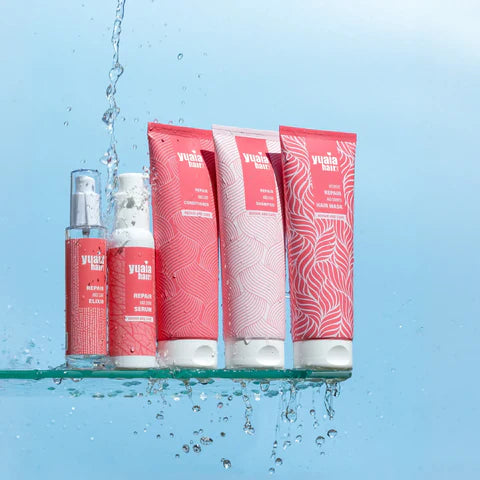
Heat protection before styling
Choose a heat protectant suitable for your hair and the tool you use. Apply it as directed before heat styling, and remember that it works alongside careful technique and sensible heat settings. It is not a reason to increase the temperature or make repeated passes.

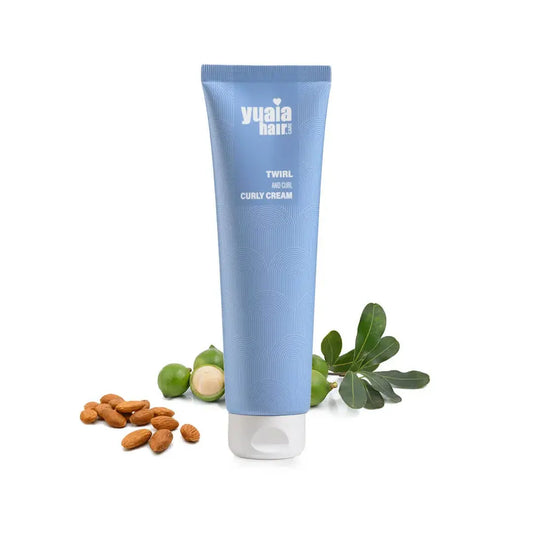
Curl cream for softness and definition
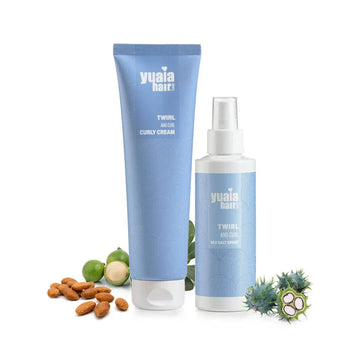
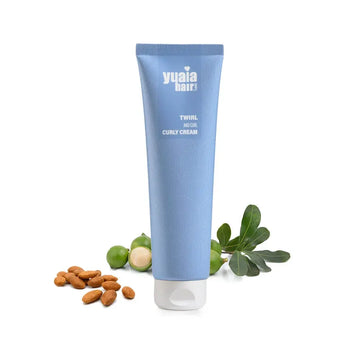
A small amount of curl cream may help smooth and define the finished style, depending on your hair type. Start sparingly through the lengths and ends: a rich cream or too much product can weigh down heat-styled curls. Avoid reapplying heat while your hair is damp from a product.
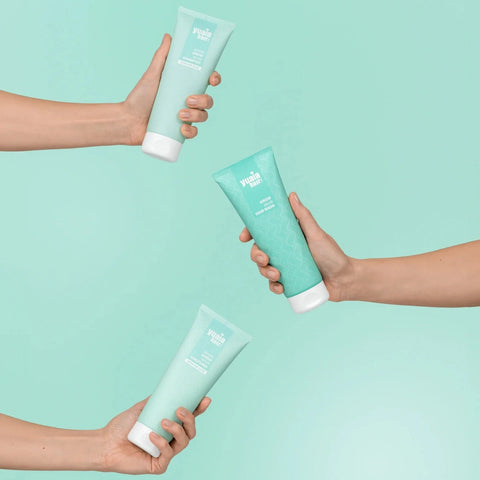
Shampoo and conditioner for your next wash
When it is time to wash your hair, choose shampoo and conditioner that suit its needs. Conditioning the lengths helps keep them manageable and easier to detangle. If you notice dryness or breakage, reduce the frequency of heat styling rather than relying on styling products alone.

Frequently asked questions about straightener curls
Why does my hair not curl with a straightener?
Common reasons include sections that are too large, too little rotation or a grip that prevents the tool from gliding smoothly. Try practising with a smaller section and check the angle of the straightener. Some hair textures also hold heat-styled curls less readily than others.
Can I curl short hair with a straightener?
Yes, if the sections are long enough to guide safely around the tool. A narrow straightener may be easier to handle. Work carefully around the face and ears, and do not try to curl sections that are too short to keep the hot plates away from your skin.
Should I brush straightener curls?
Wait until the hair has cooled. Use your fingers to keep more definition, or brush gently if you prefer soft, blended waves. The more you brush, the looser the result is likely to become.
Can I create curls without heat?
Yes. Heatless curling methods can create waves or curls while hair dries around a suitable styling accessory. Results vary with hair type and technique. Make sure your hair is fully dry before releasing it, and avoid wrapping it so tightly that it pulls on your scalp.