 2-5 day delivery
 100.000+ satisfied customers
 Free shipping over €99










What is tea tree oil?
Tea tree oil is a concentrated essential oil from Melaleuca alternifolia. It is included in some cosmetic hair and scalp products. Pure oil, a formulated shampoo and a conditioning oil are different products with different directions. Natural origin does not mean a product suits every scalp.
Tea tree oil for dandruff: what does research show?
A 2002 study involving 126 participants found an improvement in dandruff with a shampoo containing 5% tea tree oil compared with placebo over four weeks. This is a specific result for the shampoo tested, not evidence for every tea tree product or a recipe for a homemade treatment. Nor does it guarantee a lasting effect.
Consider dry scalp and dandruff carefully
Flaking and itching can have several causes. Tea tree oil is not an ordinary moisturiser, and irritation can increase scalp discomfort. A shampoo intended for dandruff may be appropriate; follow its directions. Seek medical advice for persistent symptoms, marked redness, sores or uncertainty about the cause.
How to use products containing tea tree oil
Choose a formulated product intended for hair or scalp use and follow the amount, frequency and contact time on its label. Do not apply pure essential oil directly to your skin. Avoid adding drops yourself to a whole shampoo bottle or mixing oil with water or vinegar as a rinse. A fixed number of drops is not a universally safe dose.
Wash gently and rinse thoroughly
Distribute shampoo as directed, massage gently with your fingertips and rinse thoroughly. Do not scrub your scalp or use a brush to scrape off flakes. Condition the lengths as needed. If you simply want ordinary cleansing and hair care, choose a shampoo suited to that need without requiring tea tree oil.
Precautions for sensitive skin
Tea tree oil can cause skin irritation or rashes. Stop using it and wash the product off if it burns, itches or causes redness; seek advice for a severe or persistent reaction. Avoid eyes, mucous membranes and broken skin, and do not swallow the oil. Testing a small skin area cannot guarantee that you will never react later.
What can you realistically expect?
Assess the specific product and your scalp’s response. Dandruff research does not make tea tree oil a proven solution for hair loss or faster hair growth. It also replaces neither shampoo’s cleansing function nor targeted treatment of a scalp condition. More oil, longer contact or extra essential oils are not automatically better.
Tea tree oil and low porosity
Low porosity is not in itself a reason to use tea tree oil. This is a concentrated essential oil, not an ordinary conditioning hair oil. Choose a formulated product according to scalp needs and the label. Heating, homemade blends and extra drops in shampoo are not necessary steps. Condition lengths with suitable conditioner rather than trying to open hair fibres with heat.
Products for your hair-care routine
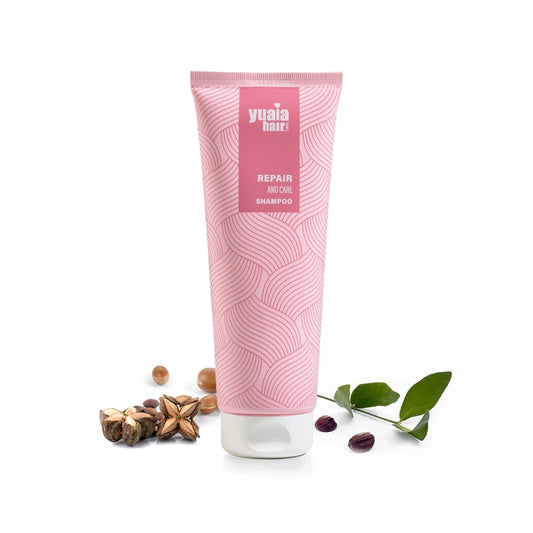
The products below have different purposes and instructions. They are not a recipe to mix together. Use a spray bottle for water or as its manufacturer specifies, not as a shortcut for diluting essential oil.



€32,99 €65,98

Frequently asked questions
Can I add tea tree oil to my regular shampoo?
Choose a product whose ingredients have already been formulated for use together instead. Follow its directions rather than changing the concentration of a finished shampoo yourself.
Should tea tree oil stay on my scalp overnight?
Only if the specific finished product is intended for that use. Follow the label; shampoo must be rinsed out as instructed. Do not leave a homemade mixture on longer in an attempt to increase its effect.


