 2-5 day delivery
 25.000+ satisfied customers
 Satisfaction Guarantee













Don’t follow a schedule - look at the signs instead
Watch how your hair behaves between washes. Environmental factors, activity and product use can make it dirty faster. Your hair reacts differently each day.
Small changes in texture, volume, or shine show when hair needs washing.
Below we describe some signals. Watch these signals to avoid washing too much or too little. They help you decide when to wash and make a simple hair routine.
1. Your hair looks and feels oily
Visible oiliness is a clear sign it’s time to wash. Sebum builds up on the scalp and hair, making roots slick and strands sticky. Hair may clump, lose volume, or appear dull. If it feels heavy, limp, harder to style, or has mild odor, washing is needed. Monitoring your hair daily helps prevent both overwashing and neglect.
2. Your scalp feels itchy or irritated
An itchy scalp often signals buildup. Wash with gentle shampoo. Scalp massages or exfoliation can relieve irritation and improve scalp health. Frequent itchiness is a clear sign to adjust your washing routine or use targeted scalp care to restore comfort and manageability.

3. You notice flakes or dandruff
Flakes on the scalp or clothing are caused by dead skin cells and oil. Occasional flaking is normal, but consistent flakes suggest the scalp needs cleansing. Buildup can trap sweat, dust, and product residue, causing irritation, itchiness, or even a feeling of tightness and discomfort. In some cases, ongoing flakes may indicate sensitivity to hair products or mild scalp conditions, making gentle care important.
Washing your hair keeps the scalp healthy and improves manageability. For ongoing flakes, consider adjusting your routine, incorporating gentle exfoliation or scalp treatments to reduce flaking.
4. Your hair has an unpleasant smell
Hair can absorb odors from smoke, food, pollution and sweat, which combine with natural oils and linger. Bacteria breaking down sweat and oils may worsen the smell, especially in heat, humidity or after activity. Washing removes odor, debris and residue, restoring freshness and improving scalp and hair health. If your hair doesn’t smell fresh soon after grooming, it’s a clear sign it needs washing.
5. Product buildup makes your hair feel sticky or heavy
Styling products can leave residue on hair and scalp. Over time, this makes hair feel heavy, sticky, or dull and can reduce shine. Product buildup may also make hair more prone to tangling and less responsive to styling tools or techniques.
When products stop distributing evenly, leave a residue, or affect styling results, it’s a clear sign that a wash is needed to remove buildup, restore hair’s natural texture, and improve overall manageability. Incorporating occasional clarifying treatments or rotating hair products can also help prevent excessive buildup and maintain hair health over time.
6. Your hair is hard to style or brush
Clean hair is easier to manage and style. Buildup makes hair coarser, increases friction, and reduces smoothness. Brushing can become difficult, causing tangles and uneven results. Hair may feel less flexible and less responsive to tools.
Styles may not hold as long, curls or waves may fall, and the hair can appear dull. A weighed-down scalp can reduce volume.
If styling becomes harder, it often indicates that buildup is affecting your hair and that washing is needed.
7. Your hair feels uncomfortable
Sometimes there are no obvious visual signs, but your hair simply doesn’t feel right. You may notice subtle heaviness at the roots, a faint greasy feeling, or a general sense that your hair isn’t as fresh. Occasionally, you might feel dryness in some areas while other parts feel oily, or notice that your hair is less responsive to styling.
Many people rely on this feeling as their main signal. If your hair feels “off,” it’s usually a reliable indicator that it’s time to wash. Paying attention to these subtle sensations can help you adjust your washing routine proactively and maintain better scalp and hair health over time, preventing discomfort, buildup, and styling difficulties.
When multiple signs may indicate a deeper issue
While a single sign usually means your hair needs washing, experiencing several signs at the same time can sometimes point to a deeper problem in your scalp or routine. For example, a combination of oiliness, itchiness and flakes may suggest that your scalp is not just dirty, but out of balance - potentially due to product buildup, overwashing or unsuitable hair care products.
If multiple symptoms appear frequently, it may be helpful to reassess your routine. This could include adjusting how often you wash, changing products, or monitoring how your scalp reacts. In some cases, ongoing issues may benefit from targeted scalp treatments or professional advice.
You can move from reactive washing to a balanced hair care routine.
How to adjust your routine based on these signs
Once you notice these signs, adjust your routine to match your hair’s needs. For oiliness, you might wash slightly less often with a lighter shampoo. For flakes or buildup, try a thorough or clarifying wash. Adjusting products and washing frequency accordingly keeps hair manageable and healthy without overwashing. Experimenting carefully ensures a more tailored, effective and sustainable hair care routine.
Additional tips for maintaining healthy hair between washes
Even when your hair doesn’t yet show clear signs of needing a wash, there are steps you can take to maintain its health and manageability:
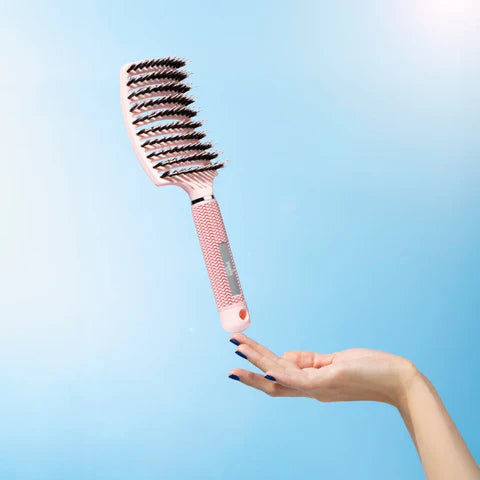
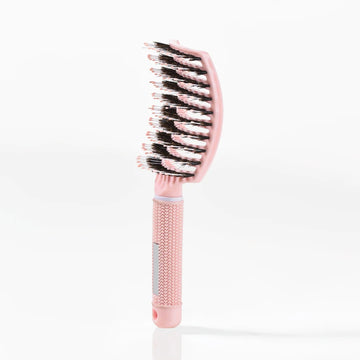
- Use a gentle brush or wide-tooth comb to distribute natural oils from scalp to ends, preventing buildup at the roots.
- Apply dry shampoos or scalp-refreshing sprays to temporarily absorb excess oil and improve texture without washing.
- Protect hair from excessive heat, sun exposure and pollution to preserve cleanliness and shine.
- Use these practices to support a healthier scalp environment, reduce the frequency of washing, and keep your hair looking fresh and manageable.

191,00 kr

Listen to your hair, not the calendar
Every person’s hair is different. Observe how your hair and scalp respond and adjust your routine instead of following a fixed schedule.
Signs like oiliness, itchiness, flakes, odor, buildup or hard-to-manage hair show when a wash is needed. Watch daily changes in volume, texture, or combing. They show when washing is needed.
By recognizing these cues and patterns, you can keep your hair clean, healthy and manageable without relying on rigid routines or guesswork, making your hair care routine more personalized and effective over time.


