 2-5 day delivery
 100.000+ satisfied customers
 Free delivery over £49




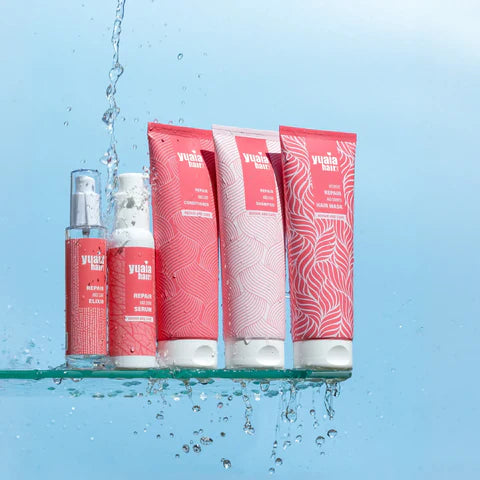








How to use shampoo and conditioner
Wet your hair thoroughly and follow the directions on both products.
- Massage shampoo gently into the scalp with your fingertips. Avoid scratching or rubbing the lengths together.
- Rinse out the shampoo. Gently squeeze excess water from the lengths before applying conditioner.
- Spread conditioner through the mid-lengths and ends, leave it for the stated time and rinse thoroughly. Apply it to the scalp only if the product directions allow it.
A second shampoo wash is optional, depending on how much oil or residue remains. More product or a longer waiting time does not automatically improve the result.

Reverse washing: conditioner before shampoo
Reverse washing means conditioning before shampooing. It may leave fine or easily weighed-down hair feeling lighter because some conditioning residue is washed away. It can also leave dry lengths feeling less soft, so assess the result rather than expecting more volume or better cleansing.
If your products allow this use, apply conditioner to wet lengths, let it work as directed, rinse and then shampoo the scalp. Follow any specific reverse-washing instructions on the products. Do not mix the two together unless the directions explicitly say to.
Choose the routine for your hair
Fine hair: first try a smaller amount of lightweight conditioner on the ends. Changing the order is not the only way to reduce heaviness.
Dry, coloured or curly hair: shampoo followed by conditioner is a useful starting point. Choose the amount by how the lengths feel.
Oily scalp: focus shampoo on the scalp and keep ordinary conditioner mainly on the lengths. Dry ends and an oily scalp can need different care.
Co-washing is a different method
Co-washing uses a product intended for cleansing with conditioner instead of shampoo. Ordinary conditioner is not automatically a cleansing substitute. Read our co-washing guide: Co-wash.
Where do masks and leave-in products fit?
Follow the mask directions: many masks go after shampoo and before conditioner, while some replace conditioner. See our guide to applying a hair mask: Hair mask after shampoo.
An optional leave-in goes after rinsing and towel-drying. Use heat protection before heat styling as directed; a conditioner or oil only offers heat protection if the product specifies it.

£21.99
Frequently asked questions
Do I need conditioner after reverse washing?
If the lengths feel dry, a small amount afterwards may help, provided the directions allow it. Return to shampoo first if the reversed routine gives a worse result.
How often should I wash my hair?
Adjust washing to oil, sweat, styling residue and scalp comfort. The order of the products does not set a fixed washing schedule.


