 2-5 day delivery
 100.000+ satisfied customers
 Satisfaction Guarantee












The best techniques for curl training
Several techniques are commonly used when curl training, and the most effective approach often depends on curl type, hair texture, and personal preference. Most curl training methods are performed on wet or damp hair, when strands are more flexible and easier to shape. Consistency plays an important role, as repeating the same techniques over time helps reinforce curl patterns and supports more predictable results. Curl training is typically integrated into regular washing, conditioning, or styling routines rather than treated as a one-time process.
Finger coiling
Finger coiling involves wrapping small sections of hair around a finger to encourage a more defined curl shape. This technique is typically done on wet or damp hair after applying conditioner or styling products, which helps provide slip and control. Finger coiling is especially useful for areas that struggle to curl evenly or lose definition, such as the front or crown. By shaping curls individually, it allows for precise control over curl direction and size. Over time, repeating this technique can help reinforce curl patterns, leading to a more uniform appearance and improved definition once the hair is fully dry.
Two-strand twists
Two-strand twists involve dividing the hair into sections and twisting two strands around each other from root to tip. This method encourages curl clumping and supports curl formation while the hair sets. It is commonly used on looser curl patterns or hair that benefits from added structure during the drying process. Twists are usually left in until fully dry and then gently separated.
Braiding, Bantu knots, and rollers
Additional techniques such as braiding, bantu knots, or the use of rollers help shape the hair as it dries and support curl training. These methods allow for variation in curl size and definition and can be rotated within a routine to suit different styling goals. Over time, combining techniques can help improve curl consistency and manageability.

When and how to do curl training
Curl training is usually done on wash days or during deep conditioning, when the hair is fully wet and most flexible. Starting with clean, detangled hair helps ensure curls can form without interference from knots or buildup.
The process typically begins with gentle detangling, followed by applying conditioner or styling products to provide slip and moisture. Once the hair is prepared, curls are shaped using the chosen technique and then left to dry with minimal disturbance.
Consistency is key. Repeating the same method over time helps reinforce curl behavior and makes styling easier with each wash. Many people find that curl training becomes faster and more intuitive as the routine becomes familiar.
Products and tools that support curl training
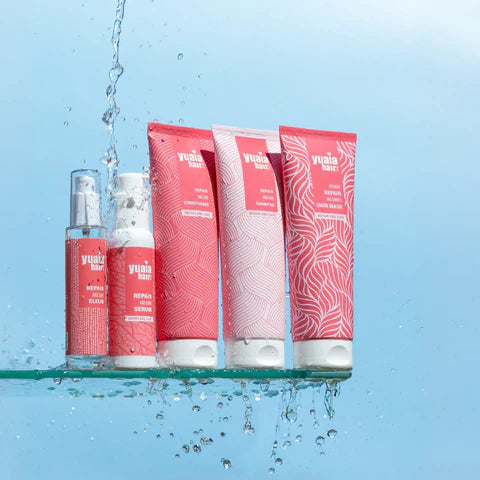
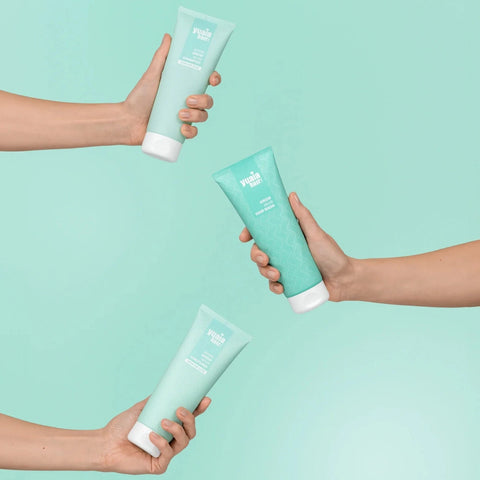
The right products and tools help reinforce curl patterns and reduce unnecessary disruption during styling and drying. Choosing options that support moisture, gentle handling and controlled drying makes it easier to maintain definition and encourage more consistent curls over time.
Moisturizing and conditioning products
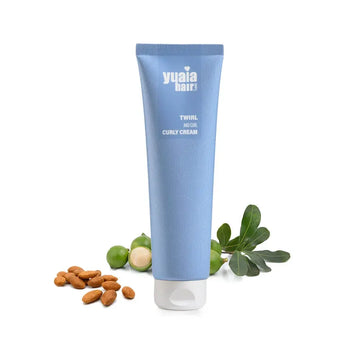
Products that provide moisture and slip play an important role in curl training, as well-hydrated hair is more responsive and better able to form consistent curl patterns. Leave-in conditioners and lightweight styling creams help soften the hair and allow strands to glide together, which supports curl clumping and reduces friction during application, creating a more supportive environment for curls to settle into their natural shape over time. Including products with humectant ingredients like glycerin can boost hydration by attracting and retaining moisture in the hair, helping curls stay softer, more defined, and less prone to frizz.
Styling gels for curl definition
Styling gels are often used to help set curl patterns while the hair dries. When applied evenly to wet or damp hair, gels can enhance definition and limit frizz by keeping curl groupings intact. Many modern gel formulas are designed to provide hold without stiffness, allowing curls to remain flexible once fully dry. Any cast that forms can usually be softened by gently scrunching, helping curls maintain movement and a natural appearance.

Tools that support curl training
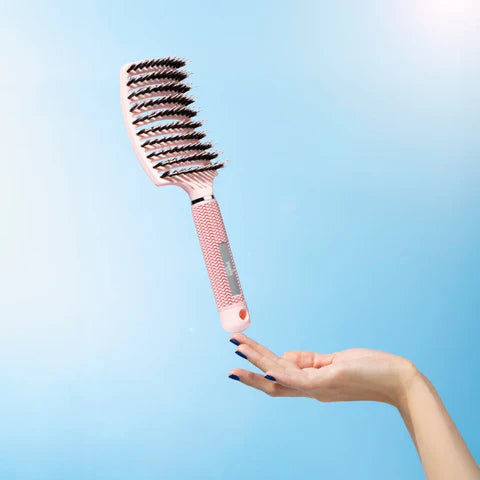
Tools also contribute to curl training. Wide-tooth combs are commonly used for detangling because they help preserve natural curl groupings rather than separating them. Using fingers instead of brushes during styling further minimizes disruption to curl clumps.es disruption. Diffusers and microfiber towels support gentle drying and help maintain curl structure, contributing to more consistent curl patterns over time.


Does curl training work?
Curl training can work for many people, but results depend on consistency, hair condition, and expectations. Most people who see benefits notice improved curl definition, stronger clumping, and a more predictable curl pattern over time.
It is important to understand that curl training enhances existing curls rather than creating new ones. Results are gradual and often become noticeable after several weeks of consistent practice. For many, the biggest benefit is not dramatic transformation, but easier styling and more reliable results.
Common mistakes to avoid
Several common mistakes can interfere with curl training and slow progress if they occur repeatedly.

Inconsistency in routines
One of the most frequent issues in curl training is inconsistency. Frequently changing techniques, products, or routines can make it difficult for curls to develop stable and predictable patterns, especially in the early stages when the hair is still adapting. Following a consistent approach allows the hair to respond gradually and supports more reliable curl formation over time.
Neglecting moisture balance
Another common mistake is overlooking moisture balance. Skipping hydrating steps or using products that are too heavy can interfere with curl clumping. Products that weigh the hair down may stretch curls and reduce definition, while insufficient moisture can lead to dryness, frizz, and uneven curl patterns. Choosing products that match the hair’s needs helps maintain definition without buildup.
Excessive manipulation during drying
Excessive handling during drying is also problematic. Touching, reshaping, or separating curls before they are fully set can disrupt curl groupings and increase frizz. Allowing curls to dry with minimal disturbance helps preserve their shape and improves the overall results of curl training.
Curl training as part of a broader routine
Curl training is most effective when it is integrated into a broader curly hair care routine that focuses on consistency and gentle handling. Regular cleansing with mild shampoos helps remove buildup without stripping moisture, while hydrating conditioners support elasticity and flexibility, both of which are important for curl formation. Maintaining a balanced moisture level allows curls to respond more predictably to training techniques.
Between wash days, preserving curl clumps can help maintain definition and reduce the need for frequent restyling. Light refreshing with water or lightweight products can reactivate curls without weighing them down. Minimizing heat styling and avoiding unnecessary manipulation further supports long-term curl consistency. Over time, combining curl training with these supportive habits can lead to curls that are easier to manage, more uniform in shape, and more resilient in everyday styling situations.


