 2-5 day delivery
 25.000+ satisfied customers
 Satisfaction Guarantee








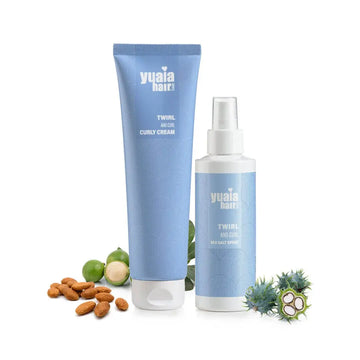



Preparing curly hair before diffusing
Proper preparation has a strong influence on how successful diffusing will be. Curls respond best when they start hydrated and well-supported by products.
Begin with freshly washed hair using a moisturizing shampoo and conditioner. Hydration helps prevent frizz from forming during the drying process. After washing, apply leave-in conditioner and styling products while the hair is still very wet. This helps lock in moisture and encourages curl clumping.
Excess water should be removed gently. Scrunching with a microfiber towel or soft fabric helps avoid friction, which is a common cause of frizz. Hair should remain damp rather than towel-dry before diffusing.

Tools and settings for diffusing curly hair
Choosing the right diffuser attachment is an important part of achieving good results. Bowl-shaped diffusers with longer prongs help lift curls toward the scalp while distributing heat more evenly. Smaller diffusers can be suitable for shorter hair, while deeper diffuser bowls are often more effective for longer or thicker curls that need extra support during drying.
Heat and airflow settings also play a part when diffusing curly hair. Using low to medium heat combined with low airflow allows curls to dry gradually and maintain their shape. Higher heat or strong airflow can disrupt curl formation, increase frizz, and lead to dryness, making gentle settings the better option for consistent results.
Step-by-step: How to diffuse curly hair
- Start by sectioning the hair to ensure even drying. Working in sections helps curls dry more uniformly and reduces the risk of over-drying certain areas while others remain damp.
- Gently place a section of curls into the diffuser bowl and lift it toward the scalp. Hold the dryer still for several seconds, then turn it off before moving to the next section. Keeping the diffuser stationary while it is on helps preserve curl clumps and reduces frizz.
- Choose a diffusing method based on the desired result. Hover diffusing, where the diffuser is held close to the hair without direct contact, works well for setting a cast. Traditional bowl diffusing enhances curl definition, while diffusing upside down can help create more volume at the roots.
How to diffuse curly hair without frizz
Frizz control starts with moisture. Hair should be very wet when products are applied so curls form smooth clumps. Using lightweight gels or creams helps seal the cuticle during drying.
Minimal handling is important. Touching curls too much while diffusing can separate them and cause frizz. Keeping heat and airflow low allows curls to dry without being disturbed.
Finishing with a cool air setting helps close the hair cuticle and set the curl pattern. This step can noticeably improve shine and reduce flyaways.
Common mistakes that cause frizz when diffusing
Using high heat is one of the most common mistakes when diffusing curly hair. Excessive heat can quickly dry out the hair, leaving curls rough, dehydrated, and more prone to frizz. High airflow settings can have a similar effect by disturbing curl clumps and causing strands to move too much during drying.
Another frequent issue is diffusing hair that is already partially dry. When curls begin to dry without structure, it becomes harder to reshape them later, which can result in uneven definition and increased frizz. Diffusing works best when hair is still wet or evenly damp, allowing curls to set properly as they dry.
Rough towel drying is another factor that contributes to frizz. Friction from regular towels can disrupt curl groupings and raise the hair cuticle. Brushing or excessive handling before or during diffusing further breaks up curl clumps, leading to a less defined and frizzier final result.
After diffusing: Finishing and maintenance
Once hair is fully dry, a small amount of lightweight oil or serum can be used to scrunch out any stiffness and add shine. This step helps soften curls without weighing them down.
Protecting curls overnight also helps maintain results. Sleeping on a smooth surface or loosely gathering curls can reduce friction and help curls hold their shape for longer.
Frequently asked questions about diffusing curly hair
Why does curly hair still get frizzy after diffusing?
Frizz after diffusing is caused by a lack of moisture, too much heat, or excessive handling while the hair is drying. Using hydrating products on very wet hair, keeping heat and airflow low and limiting movement of the curls during diffusing can help reduce frizz a lot.
Can curly hair be diffused on second-day hair?
Yes, curly hair can be diffused on second-day hair. Lightly refreshing the curls with water and a small amount of styling product helps reactivate the curl pattern before diffusing. This allows curls to regain shape and volume without needing a full wash.
Should curly hair be fully air-dried before diffusing?
Curly hair should not be fully air-dried before diffusing. Diffusing works best when hair is still very wet or evenly damp, as this helps curls set properly and reduces the risk of frizz.
Is it better to diffuse curly hair upside down?
Diffusing upside down can help create more volume at the roots, but it is not necessary for everyone. Some curl types benefit from upright diffusing to maintain definition and reduce frizz. The best approach depends on curl pattern and desired volume.
Achieving consistent curls through effective diffusing methods
Learning how to diffuse curly hair properly makes a noticeable difference in curl definition and frizz control. With the right preparation, tools, and techniques, diffusing becomes a reliable way to achieve consistent, healthy-looking curls.


