 2-5 day delivery
 100.000+ satisfied customers
 Satisfaction Guarantee





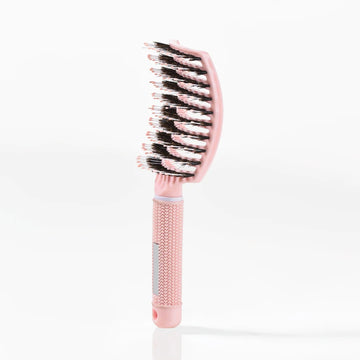


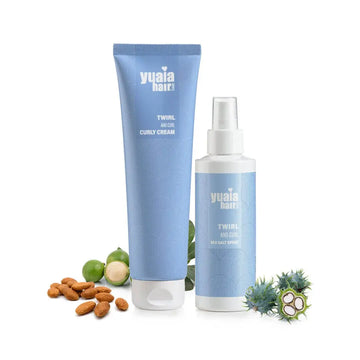

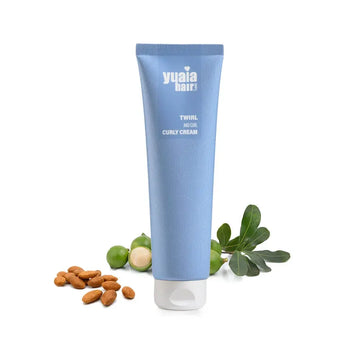


Layers with bangs
Layers can add movement, while bangs change the frame around your face. For fine hair, keep enough fullness in the ends rather than assuming more layers will always create more volume. Consider how often you want to style the fringe.
Classic bob: a shorter alternative
A classic bob often finishes around the jaw. If you want to keep medium length, ask for a longer version that reaches the shoulders or collarbone. The outline can be blunt or softly textured.
Short French bob: when you want to go shorter
A French bob commonly sits near the chin, sometimes with a fringe. It is a shorter alternative to the cuts in this guide. Check the intended finished length before deciding whether it matches what you want.
Bob with a defined outline
A clean cutting line gives the ends a more solid outline. It can be used on a short bob or a longer, shoulder-length version. Discuss the actual length rather than choosing by the name alone.
Tousled bob with bangs
Choose this idea for a softer, less polished finish. Styling depends on your natural texture: gentle scrunching may suit waves, while straight hair may need more shaping. A fringe still needs its own styling.
Rounded shoulder-length shape
A rounded outline can be created by the cut, by styling the ends inward or by both. Ask where the layers will sit so you keep the fullness you want around the sides.
Shoulder-length bob with a side part
A side part changes the distribution of hair without changing the cut. Start slightly off centre and check how the front sections fall. Our guide to side parts and middle parts explains how to try both positions.
Medium-length hair with layers
Layers and a one-length outline are different choices, not a ranking of which is best. For detailed cutting and styling options, see our guide to shoulder-length hair with layers.
Long bob around the shoulders
A long bob, or lob, commonly falls between the shoulders and collarbone. It keeps a bob shape with more length. If tying your hair back matters, ask your hairdresser to check the front sections as well as the back.
Layered long bob with a 90s-inspired finish
Longer layers and a blow-dried curve through the ends create this kind of finish. Keep in mind that the styled shape may require a brush and drying time; the cut alone does not produce the same result every morning.
Tousled layers at shoulder length
Soft layers can work with natural waves for a relaxed finish. Apply a small amount of a suitable styling product to damp lengths and scrunch gently. Avoid repeatedly brushing the hair once your waves or curls have dried.
Long bob with an outward-styled fringe
An outward-styled fringe opens the frame around the face. Ask how short the front pieces will be and whether they can sit comfortably on both sides. A longer fringe gives different options from a short, full fringe.
Smooth shoulder-length bob for fine hair
A fuller cutting line can help fine hair look more substantial at the ends. Keep styling products light and concentrated where needed. For root styling, explore our guide to hair volume.
More styling ideas for medium-length hair
The same cut can look different with a new parting, soft waves or a half-up style. Try a styling change before deciding that you need a completely different haircut.
Shoulder-length bob with a blunt edge
A blunt edge means that the outline is relatively even. It can be useful if you want to retain visible fullness in the ends. Ask how any internal layers will affect that outline.
Face-framing layers
Shorter sections around the face can be added without heavily layering the whole head. Discuss the shortest front length, particularly if you want to put the hair behind your ears or tie it back.
Medium-length curls
Choose the shape with your natural curl pattern in mind. Curls can sit noticeably shorter when dry, so discuss the finished dry length. For a styling variation, try a loose half-up section or braided hairstyles without pulling tightly.
Wavy bob or lob
A wavy finish can come from natural texture or deliberate styling. If using heat, apply heat protection and use only the heat you need. The best outline depends on where your waves bend and how much fullness you want.
Cuts for medium-length curly hair
The cut should account for how your curls fall when dry. Compare where you want volume at the crown, sides and ends; there is no single layer pattern that suits every curl type.
Long bob for curly hair
A curly lob keeps length while allowing the shape to be adjusted with layers. Show your hairdresser how you normally style your curls so the cut suits your everyday routine, not only a salon finish.
Short curly bob: a shorter alternative
This option is shorter than shoulder length. Check the dry length and how the curls spring up before cutting. A shorter cut does not automatically make the scalp healthier or make curls easier to maintain.
Braided accents for tightly curled hair
Braids can be a styling option for tightly curled hair, rather than a new haircut. Choose a placement and tension that feel comfortable. The time required depends on the style, hair length and density.
How to narrow down your choice
Choose two or three reference looks and note what you like about each: length, fringe, layers or styling. Compare that with your natural texture and the time you want to spend getting ready.
What medium length makes possible
Shoulder-length hair can offer both a shaped cut and room for several styling options. How versatile it is depends on the shortest layers and front sections, not just the overall length.
Loose styles and simple updos
Try a half-up style by taking a small section from each side and securing them together at the back. For a low ponytail or bun, check whether the shorter pieces reach and use pins where needed.

Maintenance depends on the cut
A defined bob line and a fringe may need regular reshaping, while longer layers can grow out differently. Discuss an appropriate trim schedule for your cut instead of assuming medium hair always needs less maintenance.
Care for the lengths and ends
Hair does not become stronger or stop shedding simply because it is shoulder length. Choose care according to your scalp and the condition of the lengths. Handle tangles gently and protect the hair when using heat.
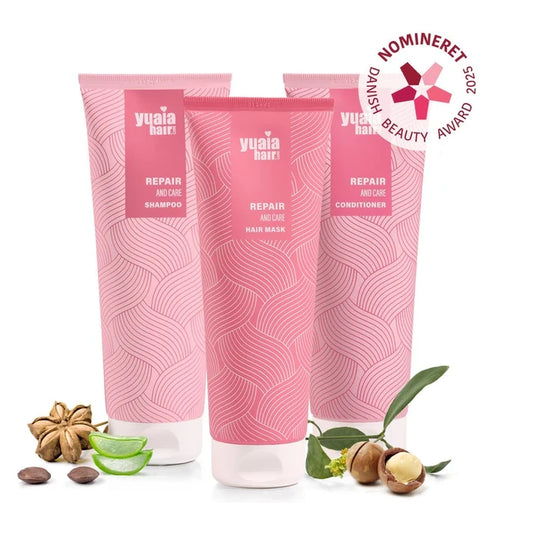
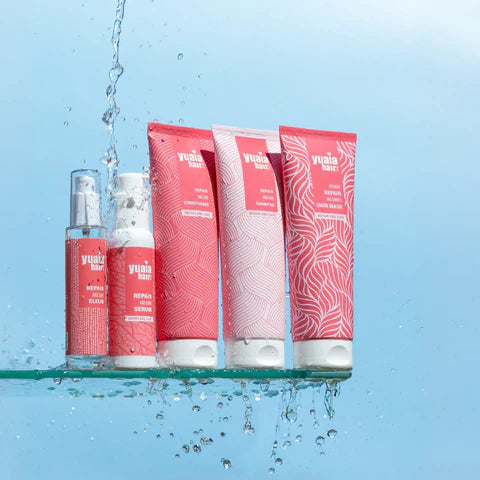
Healthy Hair Kit
Complete care package for damaged and dry hair – reduces damage by up to 80%£59.99 £71.97
Change the finish without a new haircut
Wear the same cut smooth, softly wavy or loosely pinned back. If colour is part of your plan, account for its maintenance as well as the shape. Neither age nor a trend year has to decide your hairstyle.
Products and salon visits: plan around your needs
Product use and salon costs depend on hair density, the cut and your routine. Use conditioner or a hair mask according to the condition of your lengths; medium length is not a reason to skip protection or care.
Questions about medium-length hairstyles
Which medium-length cut suits fine hair?
A lob with a fuller outline or limited, carefully placed layers can be a starting point. Very short or heavily thinned layers may make the ends look less full. Ask how the cut will look with your natural styling.
What is a practical option for thick hair?
Longer layers can help adjust the shape without removing all the weight. Decide whether you want volume or a flatter finish, and discuss where bulk should be reduced. Thick hair does not automatically need extensive thinning.
Can I tie shoulder-length hair up?
Often, but the front pieces and shortest layers need to reach. Ask your hairdresser to check a low ponytail before cutting if tying your hair back is important. A half-up style can work when a full updo does not.
How do I style medium-length hair quickly?
Work with the natural fall of your hair: reset the parting, smooth or scrunch damp front sections and choose a loose half-up style if needed. More elaborate waves or a rounded blow-dry will usually take extra work.
Choose the length, fringe and everyday routine together
The finished length should fit how you wear your hair on an ordinary day. Bring reference photos of the shape you want and tell your hairdresser whether you air-dry, blow-dry or normally wear your hair up.
Use face shape as an idea, not a rule
You can change the frame with a fringe, softer front layers or a different parting. Try the effect in a mirror. There is no requirement to hide or correct a particular face shape.
Match layers to your hair texture
Fine hair may need fullness at the ends; thick hair may need a carefully adjusted shape. With curls, account for the dry fall and shrinkage. Choose the placement of layers for your own hair rather than copying every detail of a photo.
Be clear about how much styling you want
Tell your hairdresser how much time and which tools you want to use. A cut that looks simple in a styled photo may still require blow-drying. Ask to see an everyday styling method you can comfortably repeat.


