 2-5 day delivery
 100.000+ satisfied customers
 Satisfaction Guarantee












How to choose shampoo for an oily scalp
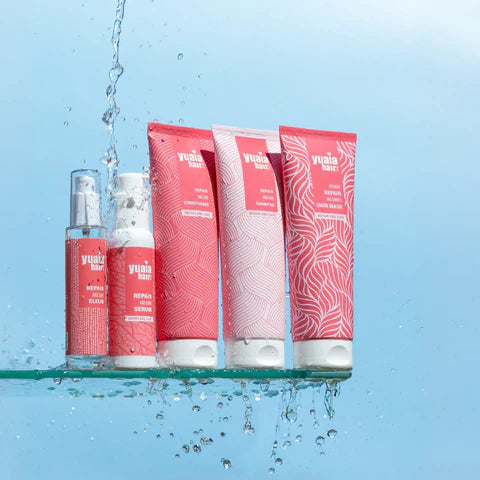
Check your hair after washing and drying: do the roots feel clean, or is there a heavy coating? Choose a shampoo that removes excess oil and product residue and feels comfortable to use. Consider cleansing performance, texture and your own results. Fine hair may need less product, while dry lengths can need separate care. Explore our products for oily hair.

Is sulfate-free shampoo good for oily hair?
Yes, sulfate-free shampoo can clean oily hair, but the label alone guarantees neither effective cleansing nor gentleness. The combination of cleansing agents, the rest of the formula and how you use it all matter. A shampoo with sulfates can also suit your needs. Judge clean roots and manageable lengths rather than foam alone. Sulfate-free does not automatically mean fragrance-free.

Clean the roots and rinse thoroughly
Wet your hair and scalp fully. Apply a suitable amount at the roots following the label, massage gently with your fingertips and rinse thoroughly. Avoid scratching your scalp or rubbing the lengths roughly. A second wash can help if residue remains after the first, but is not compulsory every time. Follow the product directions rather than a universal contact time.
How often should you wash oily hair?
Adjust washing to oil, sweat and products in your hair. There is no fixed number of days that suits everyone, and you do not need to leave your hair greasy to follow a rigid schedule. Change one part of your routine at a time to assess the result. If styling products leave persistent buildup, a more cleansing shampoo when needed may be useful.

Dry shampoo between washes
Dry shampoo can make the roots look less greasy and refresh their appearance. It does not replace washing to remove oil and product residue. Follow the label and wash when your hair or scalp needs it. Avoid adding repeated layers to a scalp that already feels coated.

Oily roots and dry lengths need different care
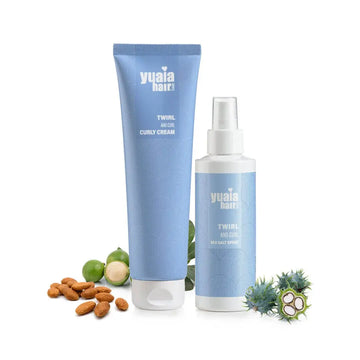
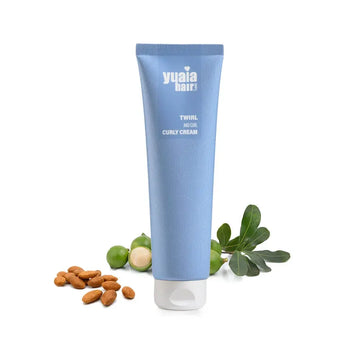
Focus shampoo on the scalp and apply conditioner to lengths and ends that need care. Start with a small amount, especially on fine hair, and rinse well. Curl cream can be used on curly lengths as needed; a heavy styling routine should not prevent effective root cleansing. Assess the result after drying.


Hair oil is optional care, not a fix for greasy roots
A small amount of hair oil on dry ends can be an optional step. More oil at the roots does not necessarily help if your aim is a lighter appearance. Follow the label and reduce or skip it if your hair feels heavy. Oil replaces neither shampoo nor a washing routine suited to your scalp.

A sulfate-free option from Yuaia Haircare
To compare a specific product, read about Grow and Glow Shampoo and check its ingredient list and directions. Choose according to your hair's needs and how it feels after washing. An individual product or matching series can fit your routine, but the sulfate-free label alone cannot decide which shampoo is best for you.
Frequently asked questions
Which shampoo suits fine, oily hair?
Start with a shampoo that cleans the roots and a small amount of care on the lengths. More product does not necessarily improve the result.
Does shampoo need lots of foam?
Foam alone does not measure cleansing performance. Check whether your roots feel clean after thorough rinsing and drying.
What if shampoo irritates my scalp?
Stop using a product that irritates. Seek an assessment for persistent discomfort rather than switching to increasingly strong shampoos.


