 2-5 day delivery
 100.000+ satisfied customers
 Satisfaction Guarantee










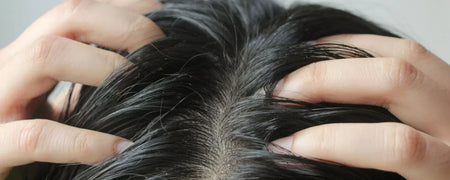

Why does hair feel sticky or dirty after washing?
First review shampoo, conditioner, oil and styling products. Use the amount in the instructions and fully rinse out rinse-out products. Try less of a heavy styling product, and change only one product or habit at a time so you can assess the difference.
Why does hair feel heavy and flat?
Heavy hair is not automatically dirty hair. A formula or amount suited to dry, thick lengths may weigh down fine hair. Apply conditioner according to your hair's needs and the directions; start with the lengths and ends rather than adding extra care at the roots.
Check your washing method step by step
Thoroughly wet the hair and scalp. Spread shampoo over the scalp, including the nape, and massage gently with fingertips. Rinse thoroughly before conditioning, then rinse again as directed. A second shampoo application is not compulsory. See our guide to washing hair properly.

Choose shampoo and conditioner for your needs
Consider the whole formula, intended use and feel after rinsing. Sulfate-free or silicone-free does not automatically mean gentler products or less residue. Compare products for your lengths and scalp in the guide to shampoo for oily hair.


Could hard water play a role?
Hard water contains more minerals and can affect how it interacts with cleansing products. The feel of your hair cannot establish water hardness; check your water supplier's information. If trying a specialist shampoo for product or mineral residue, follow its directions. Avoid replacing it with homemade acid or baking-soda mixtures.
Adapt washing frequency and keep tools clean
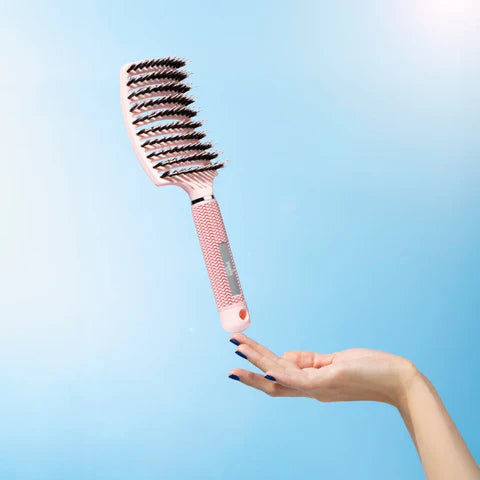
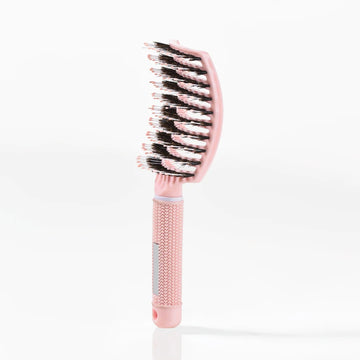
Wash as needed to remove oil, sweat and residue. An oily scalp may need frequent washing, including daily; no fixed rule suits everyone. Clean brushes and combs according to their care instructions. Dry shampoo absorbs oil but does not replace hair washing.
Care and styling after washing
Gently squeeze out water with a soft towel without vigorous rubbing. If the lengths need leave-in care or styling, use a small amount as directed and assess whether it weighs them down. Use heat protection as directed for heated styling; it does not remove residue.


When the problem persists
If thorough rinsing and a simple routine do not help, seek advice instead of scrubbing harder or repeatedly adding products. Stop a product that causes irritation. Persistent itching, marked redness, sores or pain should be assessed by a healthcare professional.


