 Entrega en 2-4 días
 Más de 100.000 clientes satisfechos
 Garantía de satisfacción






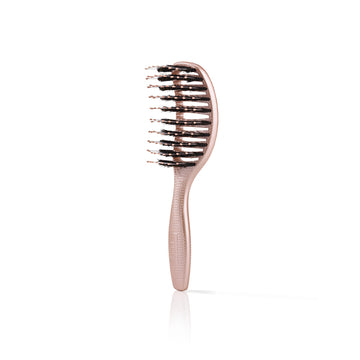

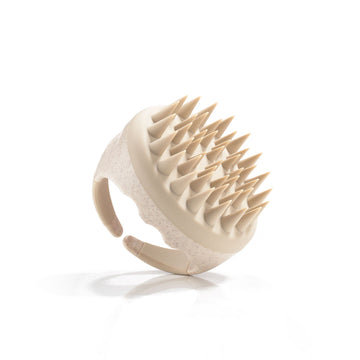
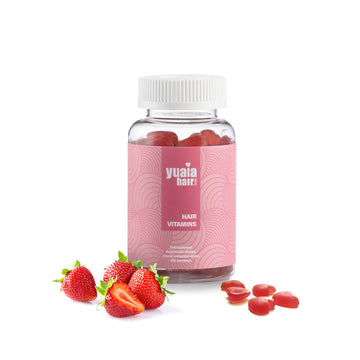

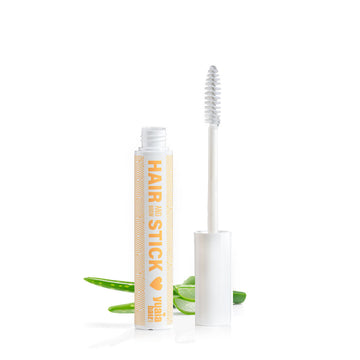


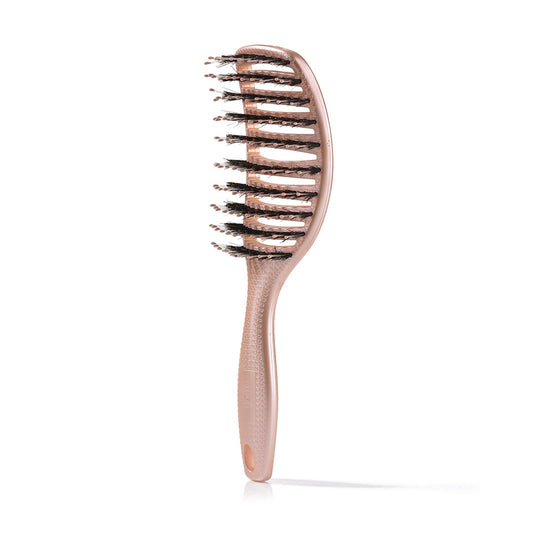
Temporary solutions: Managing appearance
While trimming remains the only permanent solution for split ends, there are temporary methods to enhance the appearance of your hair. These techniques can help you maintain a smooth and polished look between trims.
Serums and oils
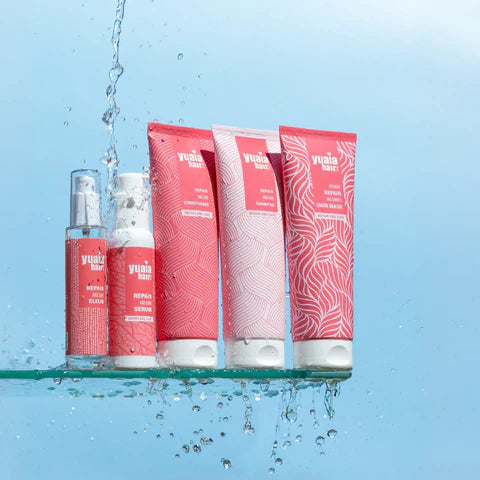
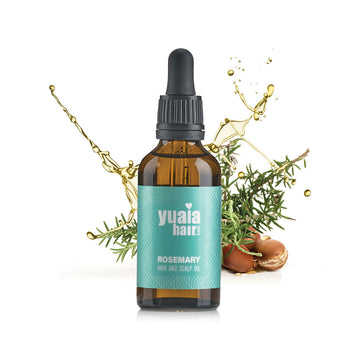
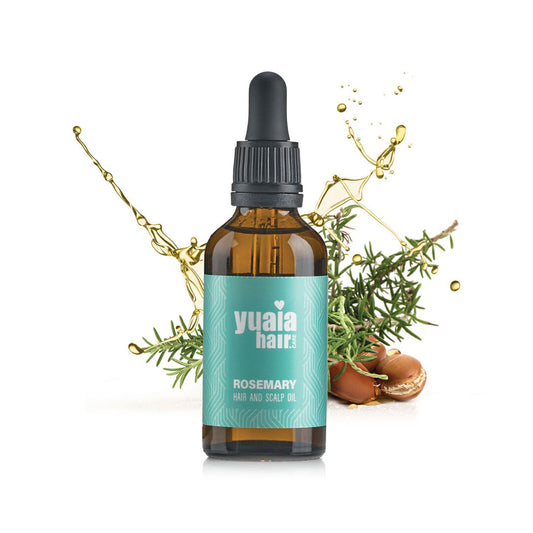
Hair serums and oils can temporarily smooth and seal split ends, making them less noticeable. These products work by coating the hair, creating a shiny, healthy appearance. For instance, our rosemary hair oil is designed to nourish and add shine, offering a temporary fix for split ends. Simply apply a few drops to the ends of your hair and style as usual.
End sealants
End sealants are another option for protecting and improving the look of split ends. These products form a protective layer over the hair, reducing friction and preventing further damage. While they do not repair the underlying damage, they can enhance the overall appearance of your hair, making it look healthier and more vibrant.
Limitations of temporary fixes
It's important to remember that these temporary solutions do not repair split ends. They are cosmetic fixes that improve the visual appeal of your hair. Regular use of these products can help maintain a polished look, but scheduling regular trims remains essential for long-term hair health.
Prevention-focused natural remedies
Preventing split ends is the most effective strategy for maintaining healthy hair. By incorporating natural remedies and protective practices into your routine, you can minimize the risk of split ends and keep your hair looking its best.
Moisturizing treatments
Natural oils and DIY masks are excellent for keeping hair moisturized and less prone to splitting. Oils like coconut and argan oil provide a protective barrier that locks in moisture, preventing dryness and breakage. Regularly applying these oils can significantly reduce the occurrence of split ends.
Protective hair practices
Adopting gentle hair care practices can minimize damage and prevent split ends. Consider the following techniques:
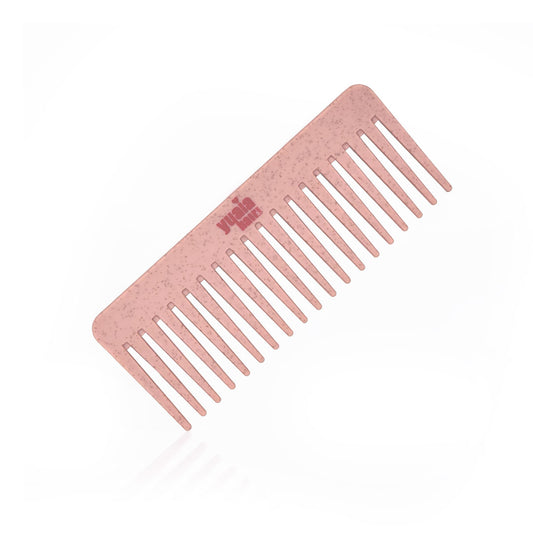
- Use a wide-toothed comb for detangling to reduce breakage.
- Opt for air-drying instead of heat styling whenever possible.
- Incorporate protective styles that reduce manipulation and stress on the hair.
Sulfate-free care
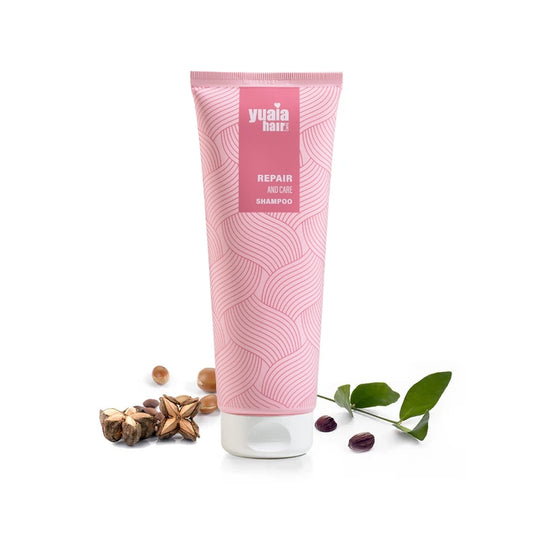
Choosing sulfate-free shampoos can prevent unnecessary dryness and damage, contributing to healthier hair. These formulations are gentler on the hair, helping to maintain moisture and prevent the conditions that lead to split ends.
Scalp health and split ends
While much of the focus in split end prevention is on the hair itself, the health of your scalp plays a pivotal role in maintaining strong and resilient hair. A healthy scalp provides the foundation for robust hair growth, reducing the likelihood of split ends. Ensuring your scalp is clean and well-nourished can contribute significantly to the overall health of your hair.
Routine scalp care tips
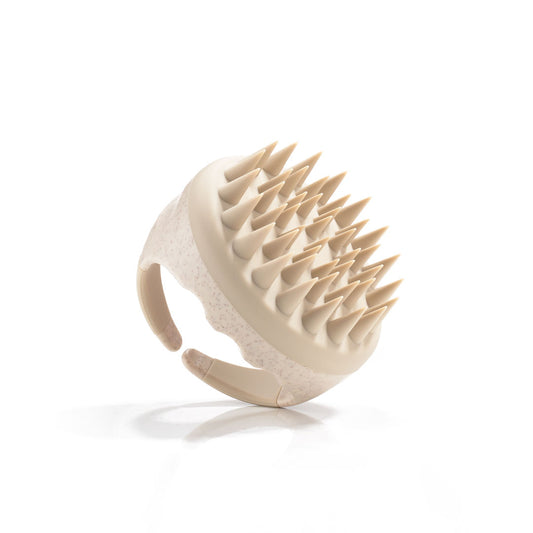
Regular scalp massages with nourishing oils, like our rosemary hair oil, can stimulate blood circulation and promote healthy hair growth. Additionally, using a gentle shampoo that doesn't strip the scalp of its natural oils is essential. Remember to rinse thoroughly to prevent product buildup, which can hinder healthy hair growth.
Ingredient transparency: Why it matters
Understanding the ingredients in your hair care products is essential for preventing split ends and ensuring overall hair health. Products free from sulfates and silicones, like our offerings at Yuaia Haircare, are less likely to cause dryness and breakage, which can lead to split ends. These formulations are made to be gentle on your hair, maintaining its moisture and integrity over time.
Sulfate-free and silicone-free benefits
Sulfate-free shampoos cleanse without stripping natural oils, while silicone-free products prevent buildup that can weigh hair down and cause damage. By choosing products with transparent ingredient lists, you can make informed decisions that support your hair's health and longevity.
Frequently asked questions
Can split ends be repaired without cutting?
Unfortunately, split ends cannot be permanently repaired without trimming. While products can temporarily mask the appearance of split ends, they do not fix the underlying damage. Prevention and regular trims are the most effective strategies for maintaining healthy hair.
What are the best natural oils for preventing split ends?
Natural oils such as coconut, argan, and jojoba are excellent for preventing split ends. These oils help lock in moisture, nourish the hair, and provide a protective barrier against environmental stressors. Regular use can help keep your hair hydrated and resilient.
How often should I use moisturizing treatments?
For optimal results, moisturizing treatments should be used once or twice a week, depending on your hair's needs. Consistent use of these treatments will help maintain moisture levels and reduce the occurrence of split ends.


