 Entrega en 2-4 días
 Más de 100.000 clientes satisfechos
 Garantía de satisfacción










Signs your hair needs moisture: How to spot the telltale indicators

por Nanna bundgaard | 02. February 2026 | Tiempo de lectura: 6 minutos
Lea más sobre el autorEnsuring your hair remains well-moisturized is essential for maintaining its health and vitality. When hair lacks moisture, it can lead to numerous issues that affect both its appearance and manageability. Recognizing these signs early can help prevent further damage and guide you toward effective solutions. Let's explore the common issue of hair dehydration and its impact on your hair's health and appearance.
Why is moisture important for hair?
Moisture is a vital component in maintaining the health of your hair. It keeps hair strands supple, shiny, and strong. Without adequate moisture, hair can become dry, brittle, and prone to breakage. Understanding the signs of moisture deficiency is important for developing effective hair care routines that restore and maintain your hair's natural beauty.
What happens when hair lacks moisture?
Hair dehydration is a common issue that many people face, often without realizing it. It can occur due to various factors, such as environmental conditions, heat styling, or the use of harsh hair products. When hair lacks moisture, it shows as rough, dull, and difficult to style. This not only affects your hair's appearance but also its underlying health.
Recognizing the signs of moisture deficiency
Identifying the signs of moisture deficiency is the first step in addressing hair dehydration. Here are some key indicators to watch for:
- Rough or coarse texture: Hair that feels rough or coarse is often a sign of moisture loss. This texture makes hair difficult to manage and style.
- Dullness and lack of shine: Healthy hair should have a natural shine. If your hair appears dull and lifeless, it may be lacking moisture.
- Frizz and flyaways: Moisture-deficient hair tends to be frizzy and prone to flyaways, affecting the overall smoothness of your hair.
- Brittle strands and split ends: Dry hair is more likely to become brittle and develop split ends, increasing the risk of breakage.
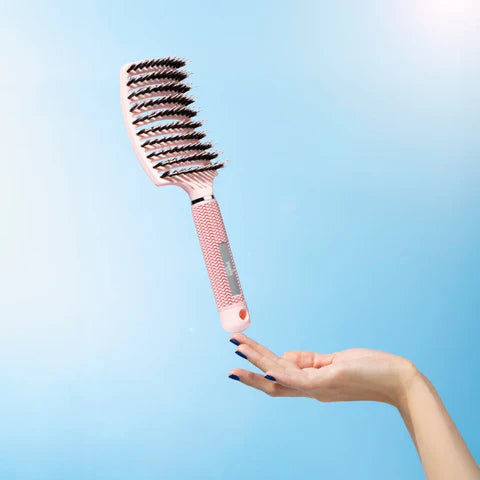
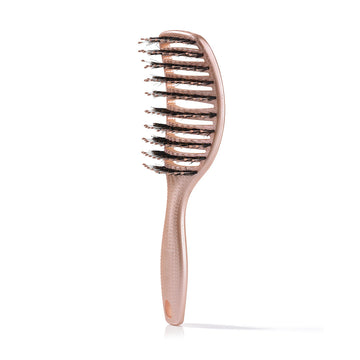
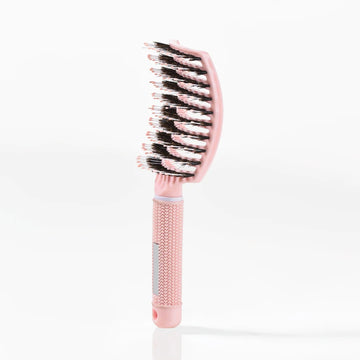
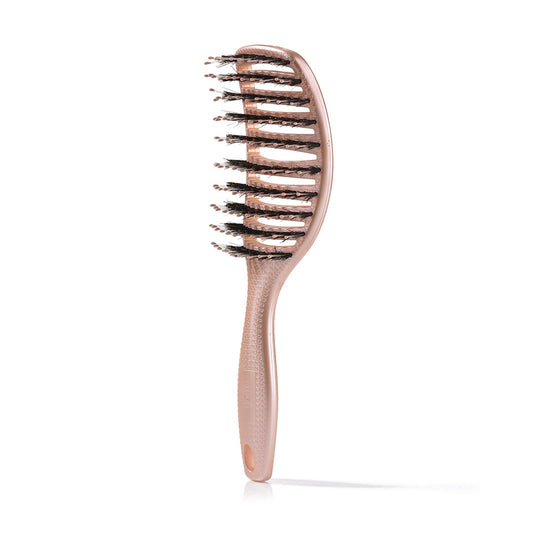
By paying attention to these signs, you can take proactive steps to restore your hair's moisture balance and improve its overall health and appearance. For those experiencing issues with styling and manageability, incorporating a curvy brush with boar bristles can help distribute natural oils and enhance shine.
Behavioral and performance changes
Recognizing how your hair behaves can be just as telling as its appearance when it comes to moisture deficiency. One of the most common signs is excessive tangling and knotting. When hair lacks moisture, the cuticle layer becomes rough, making it more prone to tangling. This can lead to frustration during styling and increase the risk of breakage.
Another key indicator is the loss of elasticity. Healthy hair should be able to stretch and return to its original shape. However, when dehydrated, hair tends to snap instead of stretch, indicating a lack of moisture. This brittleness can lead to more frequent breakage and split ends, further exacerbating the problem.
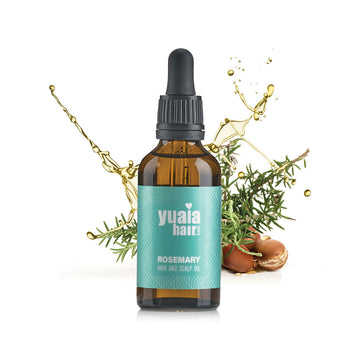
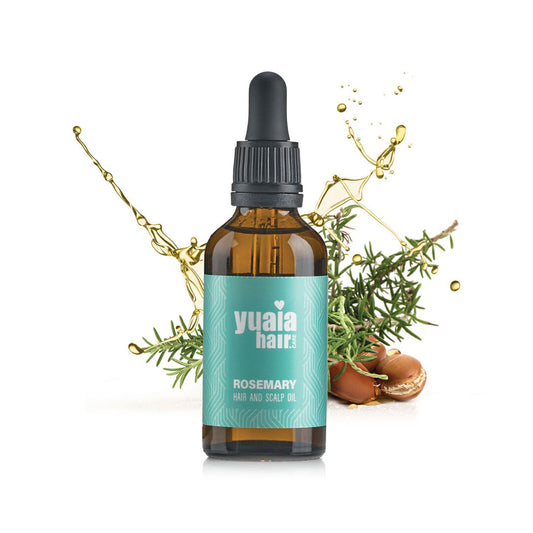
Additionally, you may notice that your hair has difficulty absorbing and retaining hair products. This is because dry hair struggles to absorb moisture, rendering even the best products ineffective. To combat this, try using a rosemary hair oil, which can help lock in moisture and improve your hair's ability to retain it.
Styling challenges are also a common issue for those with moisture-deficient hair. You might find it difficult to style your hair or notice that styles don't hold as well as they should. This can be particularly frustrating if you spend time creating a look that quickly falls flat or becomes frizzy.
Scalp health connection
The health of your scalp is closely linked to the moisture levels in your hair. An itchy or flaky scalp can often be a sign that your hair is not receiving enough moisture. This can lead to further issues such as dandruff or even hair loss if not addressed promptly.
Maintaining a balance of moisture in both your hair and scalp is essential. A well-moisturized scalp supports healthy hair growth and prevents the discomfort associated with dryness. Consider incorporating a bamboo pillowcase into your nighttime routine to help maintain moisture levels while you sleep. The smooth surface of bamboo fabric reduces friction and helps retain the natural oils in your hair.

Get a 10% discount code sent to you
Receive the best tips and tricks for your hair from Lotte and Nanna 🥰
Common causes of hair dehydration
Understanding the root causes of hair dehydration is key to addressing and preventing it. Environmental factors, such as exposure to sun, wind, and pollution, can strip your hair of its natural moisture. These elements can be particularly harsh, leading to dry and brittle strands if your hair is not adequately protected.
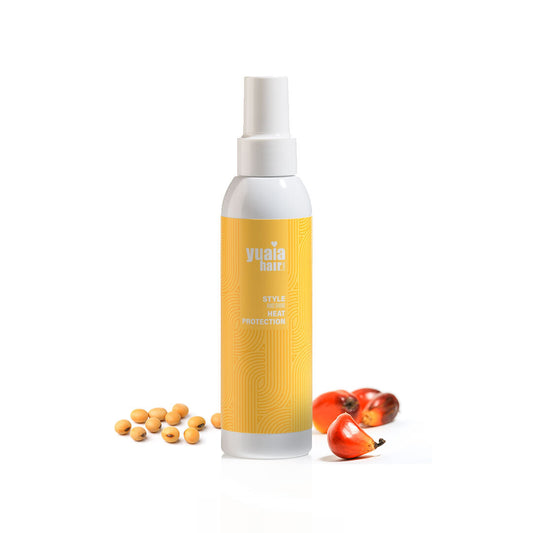
Chemical treatments and heat styling are also significant contributors to moisture loss. Processes like coloring, perming, and straightening can weaken the hair's structure and deplete its moisture levels. Similarly, frequent use of heat styling tools such as straighteners, curling irons, and blow dryers can cause moisture to evaporate, leaving your hair dry and damaged. To combat this, consider using a heat protectant to shield your hair from damage and help retain moisture.
Effective moisture retention methods
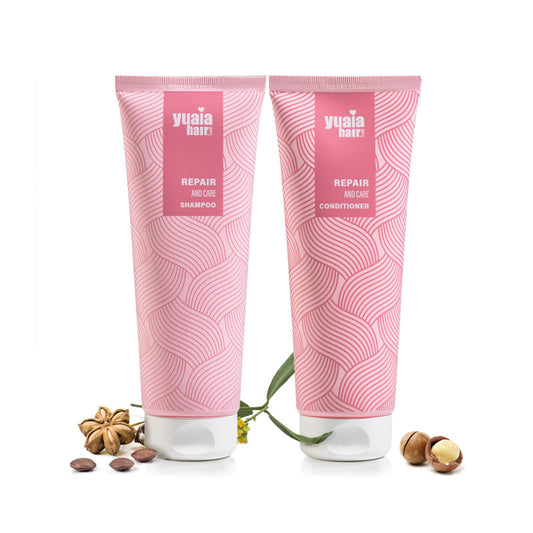
To restore moisture and maintain healthy hair, consider incorporating practices and products that support hydration. One effective method is using sulfate-free shampoos, which are gentle on the hair and help retain its natural oils. At Yuaia Haircare, we offer a range of sulfate-free shampoos that can help maintain your hair's moisture balance.
Deep conditioning treatments are another excellent way to replenish lost moisture. Regular deep conditioning can improve your hair's texture and manageability by infusing it with the necessary hydration. These treatments help smooth the hair cuticle, reduce frizz, and enhance shine, making your hair look and feel healthier.
Frequently asked questions
What are the early warning signs of hair needing moisture?
Early warning signs of hair needing moisture include increased frizz, dullness, and a rough or coarse texture. These indicators suggest that your hair is lacking the hydration it needs to maintain its health and appearance.
How can I test if my hair needs moisture?
A simple way to test if your hair needs moisture is the strand test. Take a single strand of hair and gently stretch it. If it snaps easily without much stretching, it likely needs more moisture. Well-moisturized hair should stretch slightly before breaking.
How long does it take to restore moisture to dehydrated hair?
The time it takes to restore moisture to dehydrated hair can vary depending on the extent of dryness and the treatments used. With consistent care, including moisturizing shampoos, conditioners, and deep conditioning treatments, you can start seeing improvements in a few weeks. However, maintaining a regular hair care routine is essential for long-term moisture retention.
Reciba un código de descuento del 10%
Recibe los mejores consejos y trucos para tu pelo de Lotte y Nanna 🥰.


