Entrega en 2-4 días
 Más de 100.000 clientes satisfechos
 Garantía de satisfacción









Identifying key signs of protein deficiency in hair
Limp, flat, or dull hair
Hair that appears limp, flat, or lacks shine can often be mistaken for needing moisture. However, these characteristics may indicate a protein deficiency. When hair lacks protein, it can appear lifeless and weighed down, failing to hold volume or bounce. This is because protein plays a crucial role in maintaining the structural integrity of hair, and its absence can lead to a lackluster appearance.
Excessive breakage and fragility
Experiencing more breakage than usual can be a clear sign that your hair needs protein. Protein deficiency weakens the hair cuticle, making it more prone to breakage and split ends. If you notice an unusual amount of hair breakage or find it difficult to grow your hair past a certain point, it might be time to consider incorporating protein treatments into your hair care routine.
High porosity and frizz
High porosity hair absorbs moisture quickly but also loses it just as fast, leading to frizz and dryness. This condition often signals damage to the hair cuticle, which can benefit from protein reinforcement. Protein treatments can help fill in the gaps in the cuticle, reducing porosity and improving the hair's ability to retain moisture.
Mushy or gummy texture
When hair feels mushy or gummy, especially when wet, it indicates an imbalance where moisture has overwhelmed the hair's structure. This texture often results from over-conditioning or excess moisture and can be corrected with protein treatments that restore the hair's structural integrity. Balancing protein and moisture is essential to achieving healthy hair.
Low elasticity
Elasticity is a measure of hair's ability to stretch and return to its original length. Conducting a wet stretch test can help diagnose protein deficiency. If your hair stretches significantly without returning to its original shape or breaks easily, it likely needs protein. Protein treatments can help improve elasticity, making hair more resilient to damage.
Impact of chemical treatments
Chemical treatments like coloring, bleaching, or perming can strip hair of its natural protein, leading to the signs mentioned above. These treatments raise the hair's pH and open the cuticle, making it vulnerable to protein loss. Incorporating protein-rich aftercare can help mitigate the damage and restore hair health.
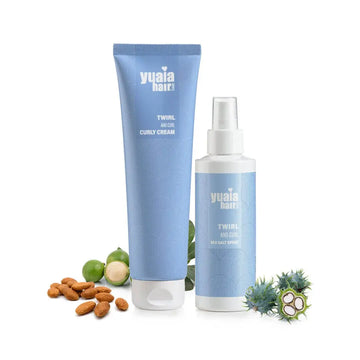
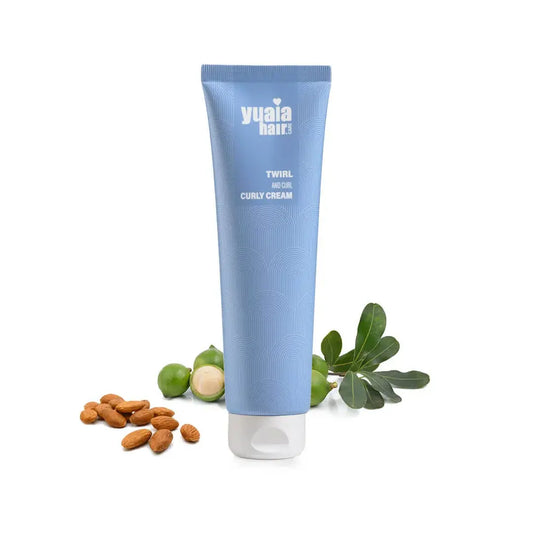
For those with curly hair, maintaining protein balance is particularly important. Our Twirl and Curl curly cream is designed to enhance curl definition and provide the necessary protein support for curly hair types, helping to maintain bounce and reduce frizz.
Effective methods to restore protein balance
Restoring protein balance in your hair is essential for maintaining its strength and resilience. Here are some effective methods to consider:
Protein-rich hair care products
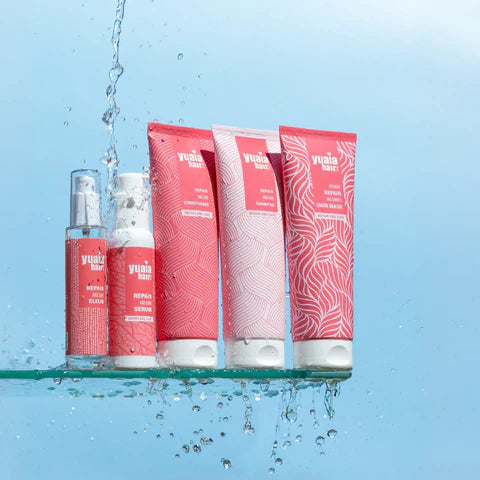
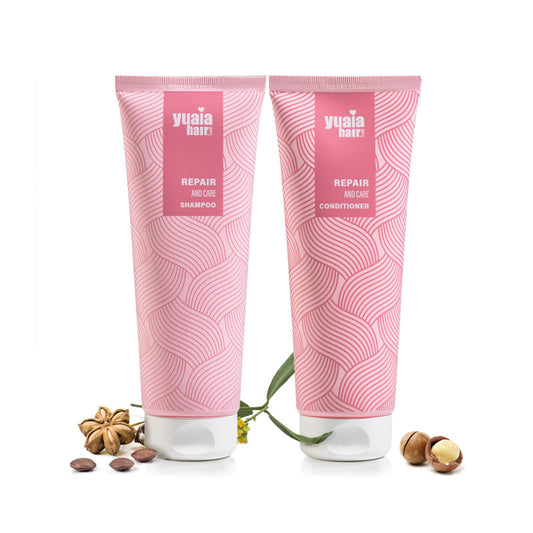
Using protein-infused shampoos and conditioners can help rebuild your hair's strength. These products are made to penetrate the hair shaft, providing essential proteins that reinforce the hair's structure. At Yuaia Haircare, we offer a range of products that are free from harsh chemicals, ensuring your hair receives the nourishment it needs without any harmful side effects.
DIY protein treatments
For those who prefer natural solutions, DIY protein treatments can offer a quick fix for minor protein deficiencies. Ingredients like eggs, yogurt, and avocado can be combined to create a nourishing hair mask. These treatments temporarily boost protein levels, helping to restore hair's strength and elasticity.
Frequently asked questions
How often should you use protein treatments?
The frequency of protein treatments depends on your hair type and condition. For damaged hair, a treatment every 2-4 weeks is recommended. However, it's important to balance protein with moisture to avoid overloading your hair.
Can too much protein be harmful?
Yes, excessive protein can make hair brittle and prone to breakage. It's crucial to balance protein treatments with moisturizing products to maintain optimal hair health.
How do I test my hair's protein needs at home?
You can perform a simple elasticity test. Wet a strand of hair and gently stretch it. If it stretches significantly without returning to its original shape or breaks easily, your hair likely needs protein.
What role does brushing play in hair health?
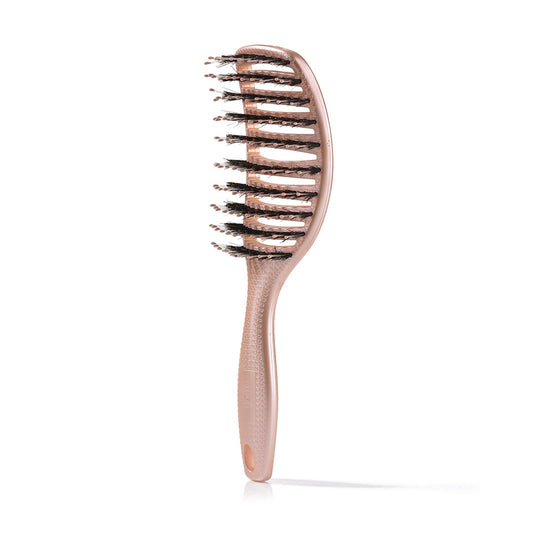
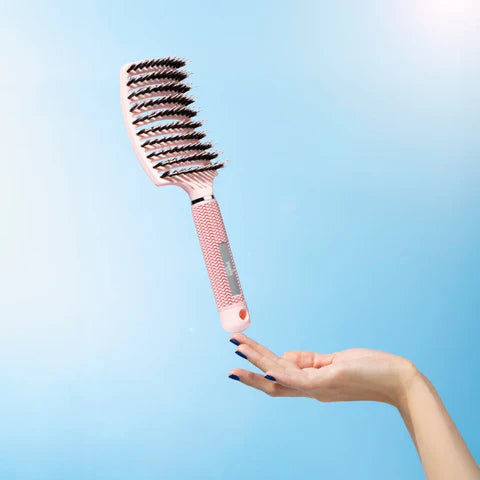
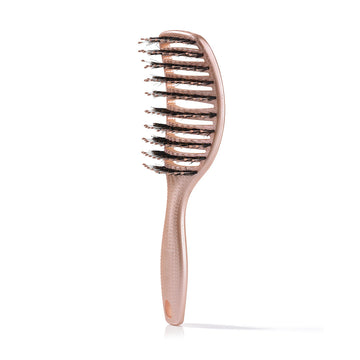
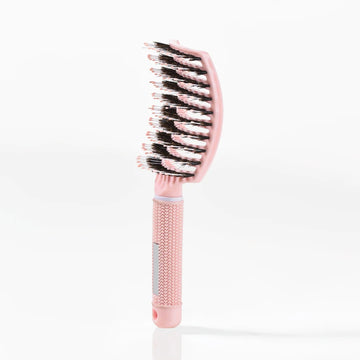
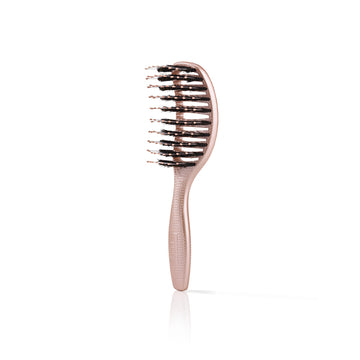
Brushing with a boar bristle brush, like our Curvy Brush, helps distribute natural oils from the scalp throughout the hair. This not only maintains hair health but also enhances shine and reduces breakage.