 Entrega en 2-4 días
 Más de 100.000 clientes satisfechos
 Garantía de satisfacción








Hair porosity and moisture retention
Understanding hair porosity is essential in addressing why your hair might feel dry after conditioning. Hair porosity refers to your hair's ability to absorb and retain moisture, and it varies significantly among individuals. High-porosity hair tends to absorb moisture quickly but loses it just as fast, often requiring richer, more substantial conditioners to maintain hydration. On the other hand, low-porosity hair has tightly closed cuticles, which makes it harder for moisture to penetrate, thus benefiting more from lighter, water-based conditioning formulas.
To determine your hair porosity, you can conduct a simple test at home. Take a clean strand of hair and place it in a glass of water. If it sinks quickly, you likely have high-porosity hair. If it floats, your hair is low-porosity. Tailoring your conditioning routine based on your porosity can significantly improve moisture retention and overall hair health.
Conditioning techniques: Time and application matter
Even the best conditioner won't deliver results if not used correctly. A common mistake is rinsing out the conditioner too quickly. To maximize its benefits, allow the conditioner to sit in your hair for at least two to three minutes. This gives the product enough time to work its way into the hair shaft, providing the moisture and nourishment your hair needs.
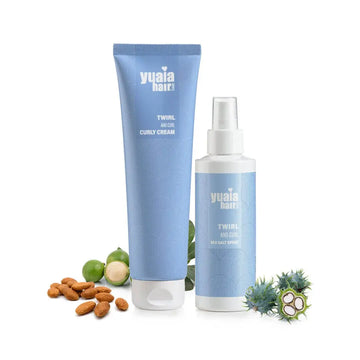
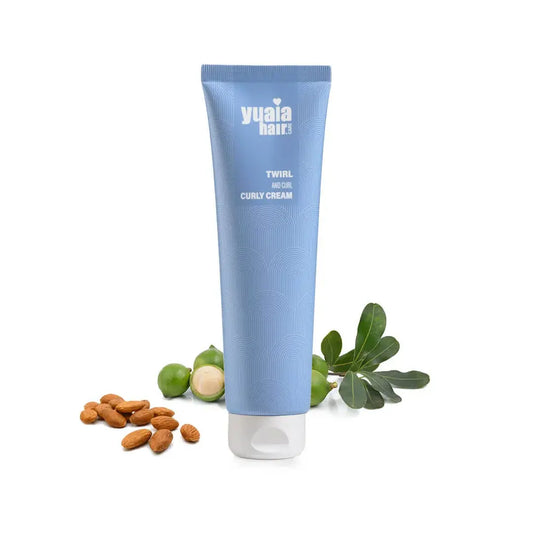
Additionally, applying conditioner from the mid-lengths to the ends, where hair tends to be drier, ensures that the most vulnerable areas receive the necessary hydration. For those with curly hair, using a product like our Twirl and Curl curly cream can provide extra definition and moisture, helping to combat dryness and enhance curl patterns.
Environmental factors: Water quality and temperature
Environmental factors can also play a significant role in how your hair feels after conditioning. Hard water, which is rich in minerals such as calcium and magnesium, can lead to buildup on the hair, making it difficult for conditioners to penetrate effectively. This buildup can leave hair feeling dry and unmanageable.
To counteract the effects of hard water, consider installing a water filter in your shower. This can help reduce mineral content, allowing your conditioner to perform better. Additionally, rinsing your hair with cool water after conditioning can help seal the hair cuticles, locking in moisture and enhancing shine.
Layering moisture: A strategic approach
For optimal moisture retention, consider the method of layering moisture in your hair care routine. Start with a water-based hydration product to provide initial moisture, followed by an oil-based product to seal in that moisture. This technique helps to prevent moisture loss and maintain hydration throughout the day.
However, be cautious of over-conditioning, especially with silicone-heavy products, which can create a barrier that prevents moisture absorption. Instead, focus on products that complement your hair type and condition, ensuring that each layer of product serves a specific purpose in your hair care regimen.
Layering moisture: A strategic approach
To effectively combat dryness, consider a strategic approach to layering moisture in your hair care routine. Start with a water-based product to provide initial hydration, and follow with an oil-based product to seal in that moisture. This method helps prevent moisture loss and maintains hydration throughout the day. However, be cautious of over-conditioning, especially with silicone-heavy products, which can create a barrier that prevents moisture absorption. Instead, focus on products that complement your hair type and condition, ensuring that each layer of product serves a specific purpose in your hair care regimen.
Sulfate-free and silicone-free solutions
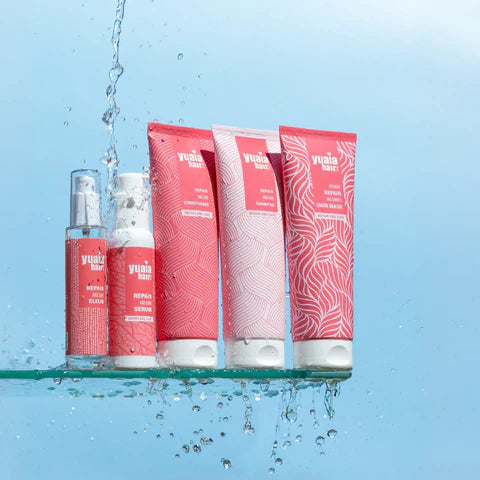
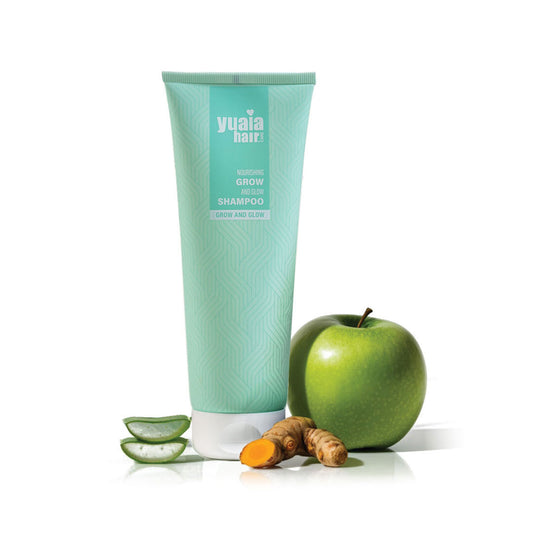
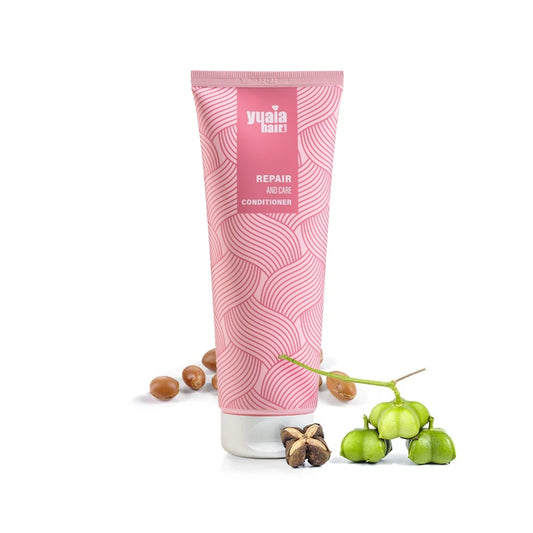
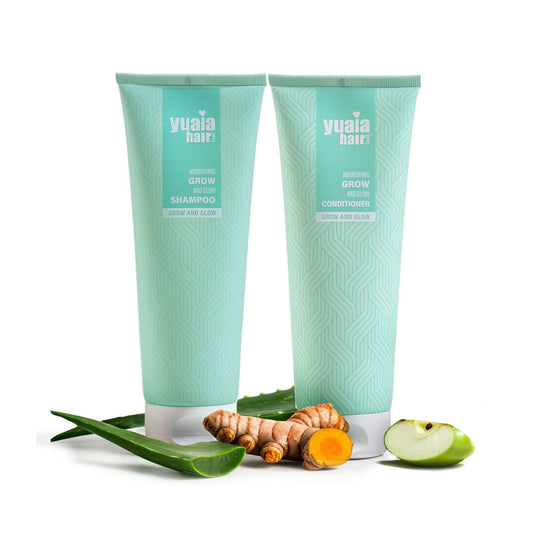
For those seeking to maintain hair health and avoid dryness, sulfate-free and silicone-free products can be beneficial. Sulfate-free formulas gently cleanse without stripping natural oils, while silicone-free products prevent buildup that can hinder moisture absorption. At Yuaia Haircare, we offer both Grow and Glow and Repair and Care lines as part of a comprehensive, gentle hair care routine.
Frequently asked questions
Why is my hair still dry after using a leave-in conditioner?
Dryness after using a leave-in conditioner can result from improper product layering or using incompatible products. Ensure your leave-in conditioner is applied to damp hair and consider sealing with an oil to lock in moisture. Also, evaluate whether the leave-in product is suitable for your hair type.
Can brushing help improve moisture retention?
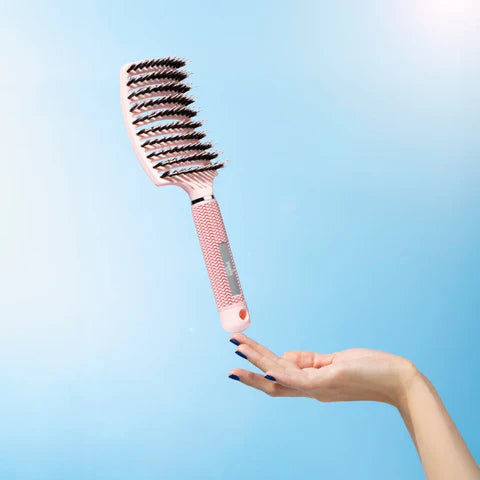
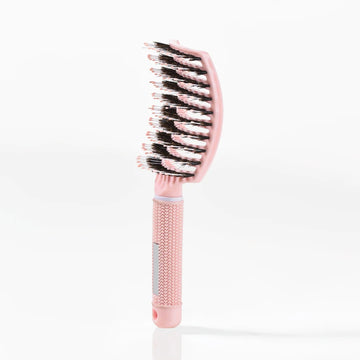
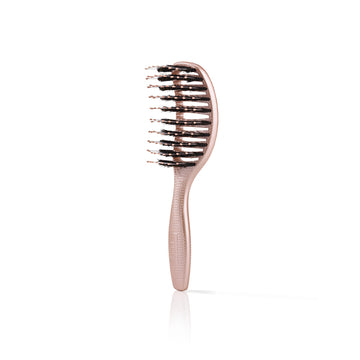
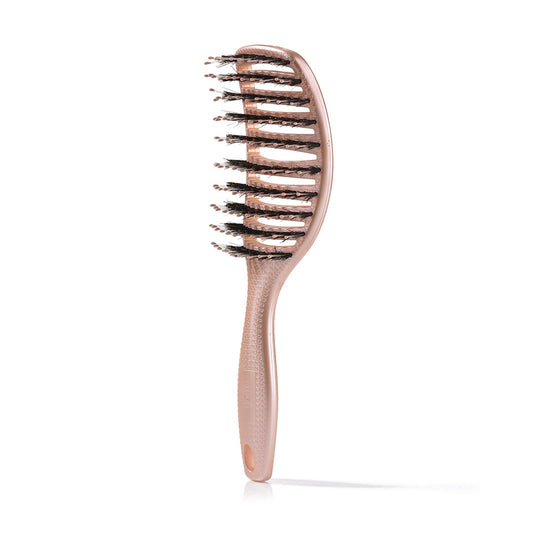
Yes, brushing can help distribute natural oils throughout the hair, enhancing moisture retention. Using a boar bristle brush, like our Curvy Brush, can effectively spread oils from the scalp to the ends, promoting healthier, more hydrated hair.
How can I protect my hair from hard water effects?
To protect your hair from the effects of hard water, consider using clarifying shampoos and chelating rinses to combat mineral buildup. Additionally, incorporating moisture-rich conditioning treatments can help counteract the drying effects of hard water.


