 Entrega en 2-4 días
 Más de 100.000 clientes satisfechos
 Garantía de satisfacción








Why does my scalp feel tight after washing? Discover the top causes and solutions

por Nanna bundgaard | 26. February 2026 | Tiempo de lectura: 5 minutos
Lea más sobre el autorExperiencing a tight scalp after washing your hair is a common issue that many people encounter. This sensation can disrupt the comfort of your hair care routine, leaving you wondering why it happens and how to prevent it. Understanding the causes of scalp tightness is important for maintaining both a healthy scalp and hair.
What causes scalp tightness after washing?
Scalp tightness often shows as a result of certain hair care practices that can disturb the natural balance of your scalp.
- Harsh shampoos and ingredients: Many conventional shampoos contain sulfates and other harsh ingredients that can strip your scalp of its natural oils. This stripping effect can lead to a tight, uncomfortable feeling post-wash.
- Impact of hot water: Washing your hair with hot water can exacerbate moisture loss and damage the scalp's barrier, leading to tightness. It's advisable to use lukewarm water to help preserve the scalp's natural moisture.
- Overwashing and frequency: Washing your hair too frequently can disrupt the scalp's natural oil balance, causing it to become tight and uncomfortable. Finding a balance in your washing routine is key to preventing this issue.
Why is it important to address scalp tightness?
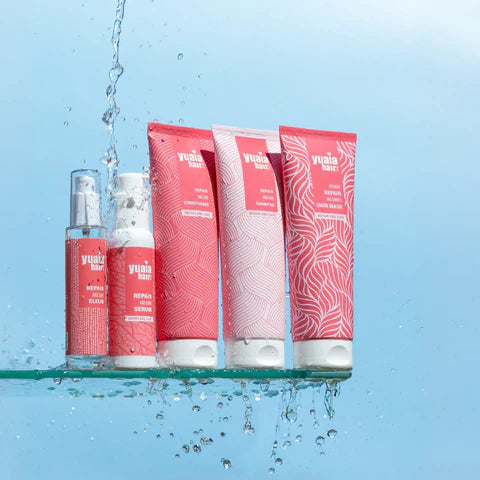
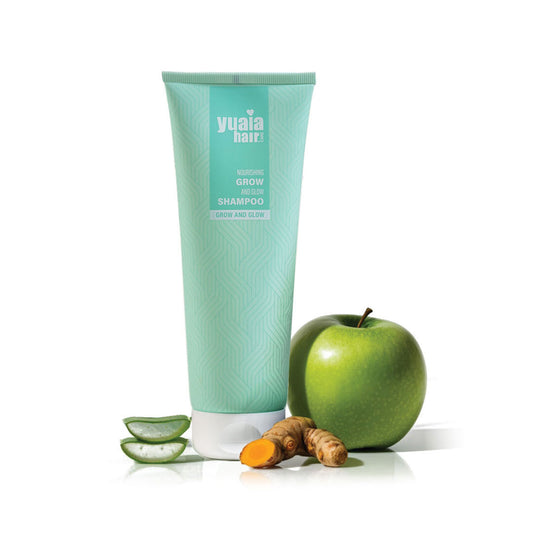
Ignoring scalp tightness can lead to further discomfort and potential hair issues. By identifying and addressing the causes, you can ensure your scalp remains healthy and comfortable. Switching to gentle, sulfate-free shampoos like our Grow and Glow Shampoo can be an effective step towards alleviating this problem. Additionally, incorporating natural oils or serums post-wash can help restore moisture and comfort.
Understanding the differences: Tight, dry, and dehydrated scalp
Recognizing the distinction between a tight, dry, and dehydrated scalp is essential for effectively addressing the discomfort you might feel after washing your hair. Each condition has unique characteristics and requires specific care strategies.
Tight scalp: A tight scalp often results from physical tension or the use of harsh hair care products that disturb the scalp's natural balance. It feels taut and may be accompanied by a sensation of discomfort, especially after washing.
Dry scalp: Characterized by flakiness and itchiness, a dry scalp lacks the necessary oils to keep it moisturized. This can be exacerbated by environmental factors or using products that strip away natural oils.
Dehydrated scalp: Unlike a dry scalp, which lacks oil, a dehydrated scalp lacks water. It may feel tight but won’t necessarily flake. Hydration through water-based products or treatments can alleviate this condition.
Effective methods to alleviate scalp tightness
Addressing scalp tightness involves making thoughtful adjustments to your hair care routine. Here are some practical methods to relieve that uncomfortable feeling:
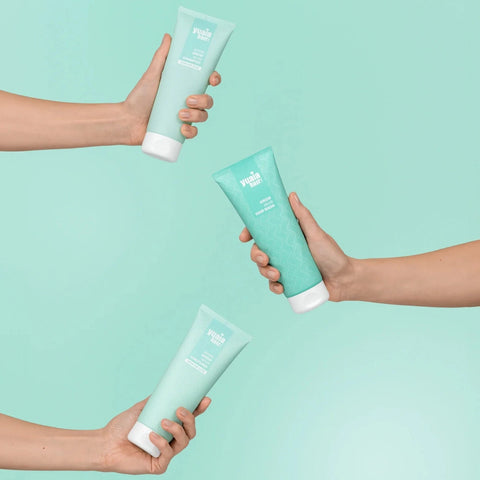
- Switch to sulfate-free shampoos: Using gentle, sulfate-free shampoos can help preserve the scalp's natural oils. This transition can prevent the stripping effect that leads to tightness. Our Grow and Glow Shampoo is designed to cleanse without compromising your scalp's comfort.
- Use lukewarm water: Hot water can exacerbate moisture loss and damage the scalp's barrier. Opt for lukewarm water when washing your hair to maintain a healthy moisture balance.
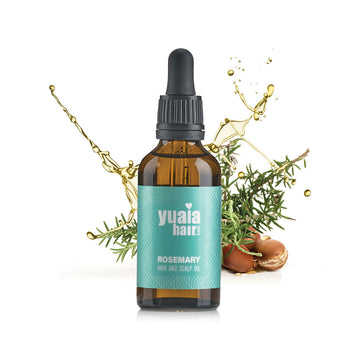
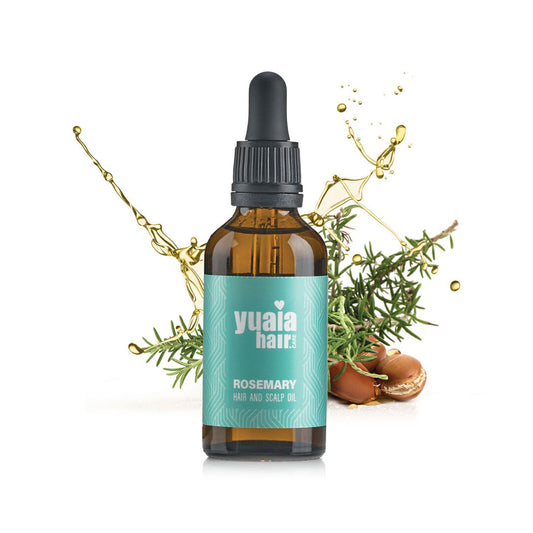
- Incorporate scalp hydration: Applying natural oils or serums post-wash can restore moisture and alleviate tightness. Our rosemary hair oil offers a nourishing blend that helps maintain normal hair and scalp health.
- Adjust washing frequency: Overwashing can strip essential oils, while under-washing can lead to product buildup. Finding a balance in how often you wash your hair is key to maintaining a comfortable scalp.

By understanding and addressing the specific needs of your scalp, you can create a hair care routine that supports both comfort and health. Implementing these methods can significantly reduce the sensation of tightness, ensuring your scalp remains in optimal condition.
Get a 10% discount code sent to you
Receive the best tips and tricks for your hair from Lotte and Nanna 🥰
Common misconceptions about scalp tightness
Scalp tightness is often misunderstood, leading to misconceptions that can affect how people approach their hair care routines. Let's debunk some of these myths and provide a clearer understanding of this issue.
Myth 1: Tightness means cleanliness. Many believe that a tight scalp indicates a clean scalp, but this is not true. Tightness often results from stripping the scalp of its natural oils, which can be damaging rather than beneficial.
Myth 2: More washing equals less tightness. Contrary to popular belief, washing more frequently can exacerbate scalp tightness. Overwashing strips away essential oils, leading to discomfort and a compromised scalp barrier.
Myth 3: All oils cause buildup. While some oils can lead to buildup, others, like our rosemary hair oil, are lightweight and help maintain normal hair and scalp health without causing buildup.
Frequently asked questions
How can I prevent scalp tightness in the future?
To prevent scalp tightness, focus on using gentle, sulfate-free shampoos and wash your hair with lukewarm water. Incorporating post-wash hydration with oils or serums can also help maintain a healthy scalp. Adjusting your washing frequency to avoid overwashing is important as well.
Is scalp tightness a sign of a serious condition?
Scalp tightness is usually not a sign of a serious condition. However, if it persists despite changes in your hair care routine, or if you experience additional symptoms like severe itching or hair loss, it may be worth consulting a healthcare professional.
Can lifestyle factors affect scalp tightness?
Yes, lifestyle factors such as stress and poor circulation can contribute to scalp issues, including tightness. Managing stress through relaxation techniques and ensuring good circulation with regular scalp massages can help alleviate these problems.
Reciba un código de descuento del 10%
Recibe los mejores consejos y trucos para tu pelo de Lotte y Nanna 🥰.


