 2-5 day delivery
 25.000+ satisfied customers
 Satisfaction Guarantee














What is the normal range of hair loss for women?
It's common to worry about hair loss, but understanding the normal range can provide reassurance. For most women, losing between 50 and 100 hairs per day is considered normal. Some experts even extend this range up to 150 hairs to account for individual differences. This daily shedding is a natural part of the hair growth cycle and is usually not a cause for concern unless it exceeds these amounts or is accompanied by noticeable thinning.
Understanding the hair growth cycle
The hair growth cycle is an ongoing process with four key phases that every hair undergoes:
- Anagen (Growth Phase): This phase lasts between two to eight years and involves the active growth of hair. Approximately 90% of your scalp hair is in this phase at any given time.
- Catagen (Transition Phase): A brief phase lasting about two to six weeks, during which hair growth slows, and the hair follicle shrinks.
- Telogen (Resting Phase): During this phase, which lasts two to four months, the hair follicle is inactive, and hair is fully formed.
- Exogen (Shedding Phase): The final phase where the hair is released and falls out, making way for new hair growth.
Common causes of excessive hair loss
While some hair loss is normal, excessive shedding can be attributed to several factors:
- Genetic factors: Female Pattern Hair Loss (FPHL) is prevalent among women, especially post-menopause, and often results in thinning on the crown and part line.
- Hormonal changes: Events such as menopause, pregnancy, and thyroid issues can lead to temporary spikes in hair loss.
- Stress and health conditions: Emotional or physiological stress and certain health conditions can trigger hair loss, often seen in conditions like telogen effluvium.
- Styling practices: Tight hairstyles, excessive heat, and chemical treatments can lead to mechanical damage and increased hair loss.
When should you be concerned?
While daily shedding is normal, there are signs that may indicate a problem. If you notice a visible scalp, shrinking ponytail, or sudden clumps of hair falling out, it might be time to seek advice. Conditions like telogen effluvium, triggered by stress or health events, can cause more than 10% of hair to enter the telogen phase, leading to noticeable hair loss.
To help mitigate hair loss, consider integrating gentle hair care routines and avoiding styles that stress the hair. Using products like our Twirl and Curl curly cream can support curly hair by enhancing natural curls without harsh chemicals.

How to maintain healthy hair and minimize shedding
Maintaining healthy hair and minimizing shedding involves adopting gentle hair care practices. Avoiding tight hairstyles and using sulfate-free shampoos and conditioners can help reduce hair loss. At Yuaia Haircare, we offer a Rosemary hair oil known for its nourishing properties, which can support scalp health and promote stronger hair.

Additionally, using a microfiber towel, such as our microfiber towel for hair, can reduce friction and prevent breakage while drying. This gentle approach to hair care helps maintain the integrity of your strands and minimizes unnecessary shedding.

FAQs: Addressing common concerns
Is it normal to lose more hair during certain times of the year?
Yes, it is normal for women to experience increased hair shedding during certain times of the year, often referred to as seasonal shedding. This typically occurs in the fall and spring and is a temporary phase that usually resolves on its own.
Can diet impact hair loss?
While we won't delve into specifics, a balanced diet supports overall hair health. Ensuring you have a well-rounded intake of nutrients can contribute to maintaining normal hair.
How does brushing affect hair loss?
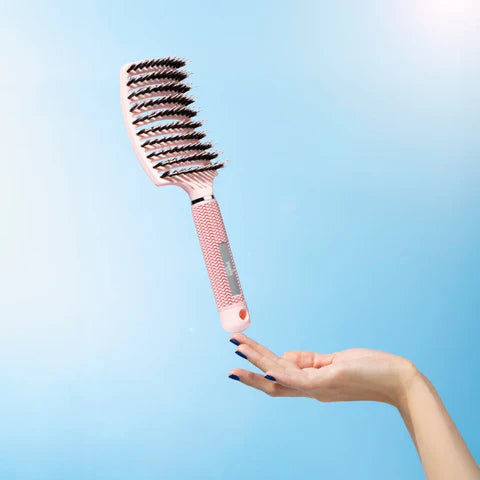
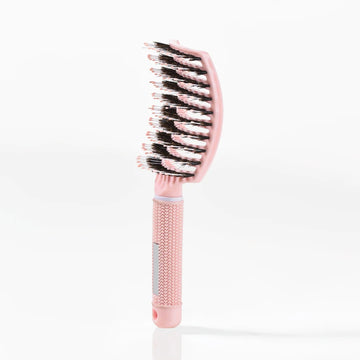
Brushing can impact hair loss, especially if done harshly or with the wrong tools. Using a brush made to minimize breakage, like our Curvy Brush, can help distribute natural oils and promote scalp health, reducing the risk of excessive shedding.


