 2-5 day delivery
 100.000+ satisfied customers
 Satisfaction Guarantee












Step 3: dry fully, then soften the cast
Some gels form a firm film during drying. This gel cast is a temporary styling finish, not a rule that you have used too much. Wait until the hair is fully dry before judging it.
Cup the ends in your hands and gently squeeze upwards to soften the cast. Do not rake a brush through the dried curls. You can keep a firmer finish if that is the result you prefer.
If the hair feels greasy, coated or sticky rather than just firm, use less product or simplify the next wash-day routine. Scrunching will not necessarily remove an unsuitable combination or excess residue.
Change only one variable at a time: cream amount, gel amount or application moisture. Keep the other steps similar so you can tell what made a difference.
Adjusting the routine for your hair
For fine hair or loose waves, try less cream or gel alone first. If your curls feel dry, a modest cream layer may help; stronger hold and a heavier formula are not the same thing.
For longer or denser hair, work in more sections before increasing the amount. More hair may need more product, but even coverage matters more than applying a generous layer everywhere.
Use your hair's actual response rather than a porosity label as the only dosing rule. Assess softness, volume, hold and residue after full drying and again the next day.
Quick routine checklist
- Order: cream first, then gel is a useful starting test; follow individual directions.
- Drying: wait until fully dry before scrunching a firm cast.
- Assessment: note whether the result is soft, heavy, sticky or lacking hold.
Products for the two layers
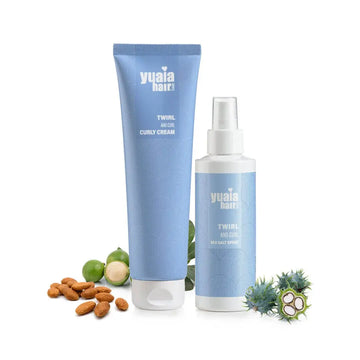
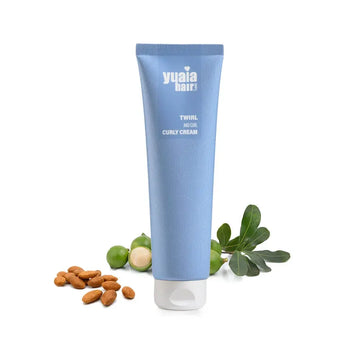
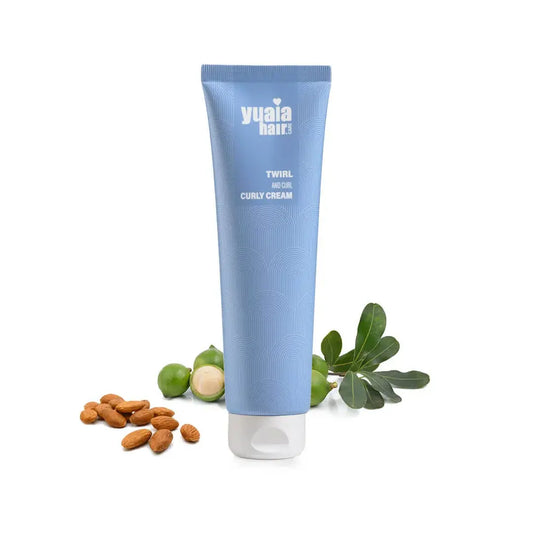
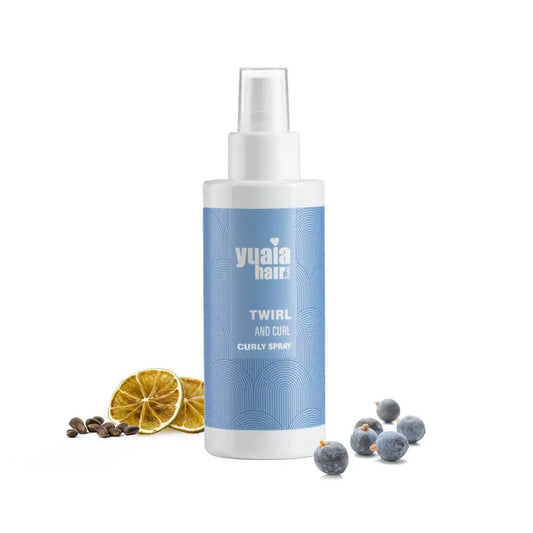
Twirl and Curl curl cream is intended for softness and curl definition. Twirl and Curl Gel offers flexible hold. Check their individual directions and compare the rest of the Twirl and Curl range before deciding whether you need both.

If cream and gel leave white flakes
White flakes can appear when products do not work well together or too much has been applied. They do not automatically mean your hair or scalp is dry.
At the next wash, try one product alone with a smaller amount. If that works, reintroduce the other carefully. Do not keep adding oil or cream to hide residue.
A small test on one section is useful, but the dried result on your hair is the important check. Stop using a product if it causes irritation; persistent scalp symptoms need professional advice.
Refreshing curls between washes
Lightly dampen flattened sections and reshape them before adding fresh product. The previous layers may still be present; piling on more cream and gel can leave hair coated.

Add a small amount only where needed, following product directions. If refreshing repeatedly leaves residue or weight, wash and reset the routine rather than layering indefinitely.
For a simpler routine or a closer look at cream formulas, read our curl cream guide. The goal is a manageable result for your own hair, not the largest possible number of styling steps.
More layering questions
Should I mix cream and gel in my hands?
Applying them separately makes it easier to control the amount and identify flakes or heaviness. Do not assume two formulas will mix well; follow any specific instructions from the manufacturers.
Must the cream dry before applying gel?
Not necessarily. Many damp-hair routines layer the products before drying. Follow their directions rather than letting every layer dry by default, which makes even distribution harder.
Do I have to use both at every wash?
No. Keep only the layers that improve your result. If gel alone gives enough softness and hold, or cream alone gives the finish you want, a single product may be sufficient.


