 2-5 day delivery
 100.000+ satisfied customers
 Free shipping over €99











Effective pre-drying techniques
Mastering the art of air-drying begins with the right pre-drying techniques. The way you handle your hair immediately after washing can significantly impact the amount of frizz that develops as it dries. Following these steps can help set the stage for a sleek, frizz-free finish.
Firstly, consider the material you use for drying. Instead of a regular towel, opt for a microfiber towel or a soft t-shirt. These materials are gentler on the hair, reducing friction and preventing damage to the cuticle. Gently blot or squeeze the hair to remove excess water, avoiding vigorous rubbing that can lead to frizz.

Apply styling products to wet or damp hair according to their instructions. There is no fixed percentage of dryness that suits every texture. Start with a small amount, especially on fine hair.
Product application for smooth air-drying
Once your hair is partially dry, apply a lightweight leave-in conditioner or styling cream. These products help to lock in hydration and smooth the hair surface. Ensure even distribution by using your fingers or a wide-toothed comb, which is perfect for detangling without causing breakage. This step is essential to prevent frizz and enhance your hair’s natural texture.
Techniques tailored to hair types
Different hair types require specific techniques to achieve the best air-drying results. For straight and wavy hair, avoid touching your hair too much while it dries, as this can disrupt the cuticle and lead to frizz. Using a wide-toothed comb can help distribute products evenly and detangle without causing damage.

Curly hair, on the other hand, benefits from techniques like scrunching and plopping. Scrunching helps to enhance curl definition, while plopping with a microfiber towel or t-shirt can help reduce drying time and minimize frizz. These methods allow curls to form naturally without the interference of gravity or friction.
Incorporating these tailored techniques into your routine can make a significant difference in your air-drying results, leaving you with smooth, frizz-free hair that showcases your natural texture beautifully.
Exploring advanced techniques for frizz-free air-drying
For those seeking to elevate their air-drying routine, advanced techniques can offer additional benefits in achieving smooth, frizz-free hair. These methods focus on enhancing the natural drying process while minimizing common frizz triggers.
One effective strategy is the use of a microfiber towel to gently squeeze out excess water before applying any styling products. This step not only shortens drying time but also reduces the potential for frizz by minimizing friction on the hair cuticle.
Layer products sparingly. Try a lightweight leave-in, then a small amount of serum or oil on the lengths and ends if needed. Too much can weigh fine hair down; oil does not replace conditioning. Rosemary oil
Environmental factors: Navigating challenges
Environmental factors, such as humidity and temperature, play a significant role in the air-drying process. Understanding these elements can help you adapt your routine for optimal results. In humid climates, it's beneficial to use anti-humidity products that form a barrier against moisture absorption. These products help maintain the integrity of your style, even in challenging conditions.
Conversely, in drier environments, focus on hydrating products that replenish moisture levels and prevent static. This approach ensures that your hair remains smooth and manageable, regardless of the weather.
Frequently asked questions
What is the best way to handle hair while it air-dries?
To minimize frizz, it's important to avoid touching your hair too much while it dries. This can disrupt the cuticle and lead to frizz. Instead, style your hair gently when it's damp and let it dry naturally without interference.
How can I enhance my natural texture when air-drying?
Enhancing your natural texture involves using products that define and hold your hair's shape. For curls, techniques like scrunching and plopping are effective. For straight or wavy hair, a lightweight styling cream can help maintain smoothness and definition.
Are there any specific products recommended for air-drying?
Choose shampoo and conditioner to suit your hair and scalp. Conditioner can help with detangling; a sulfate-free label alone does not guarantee less frizz.
Can air-drying be damaging to the hair?
Air-drying avoids direct heat, but wet hair still needs gentle handling. Do not rub, pull or leave it tightly wrapped for hours. Drying time varies with thickness, porosity, weather and product amount.
What is the best way to air dry curly hair?
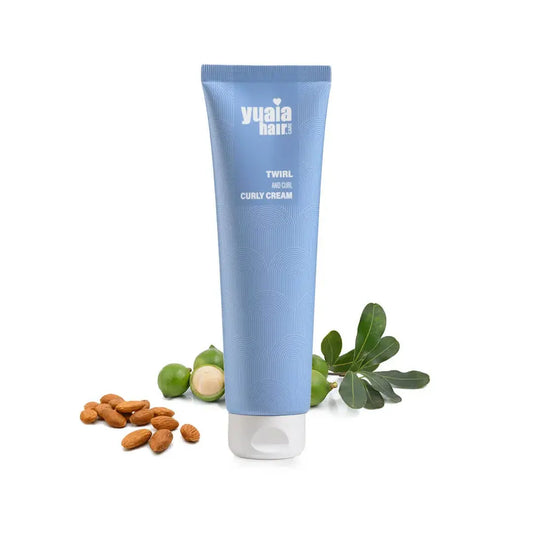
For curly hair, techniques like twisting or braiding while damp can help define curls and minimize frizz. Using a product specifically made for curls, such as our Twirl and Curl curly cream, can enhance curl definition and provide necessary moisture.
Can I brush my hair while air drying?
Avoid repeated brushing while the hair dries. Detangle gently with a wide-tooth comb; curly hair is usually easier to detangle while wet with conditioner, while straight hair can be allowed to dry a little first. Brush dry straight hair gently if needed; dry brushing can disrupt curls.
Why does my hair get frizzy when air drying?
Frizz during air drying can result from a combination of factors, including humidity, incorrect product use, and improper techniques. Ensuring your hair is adequately moisturized with the right products can help reduce frizz. products and avoiding disturbance during the drying process can help reduce frizz.


