 2-5 day delivery
 100.000+ satisfied customers
 Free shipping over €99








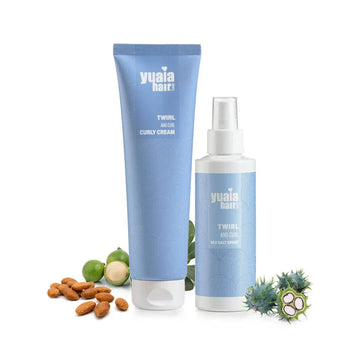

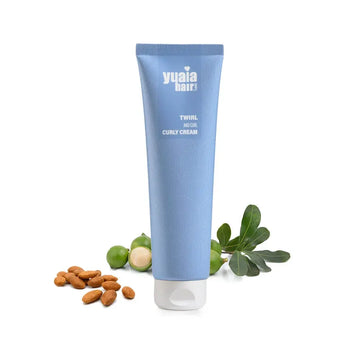


Can you repair damaged hair at home?
The hair shaft outside the scalp is not living tissue that can heal like skin. Care can improve its surface, shine and manageability, but oil or a kitchen mask cannot permanently mend split ends. Bleached or very fragile hair needs careful handling. Avoid trying several treatments at once.
Coconut oil before washing: an option, not a requirement
A coconut oil study found reduced protein loss from hair. This does not prove that every homemade mask repairs hair or that the oil suits everyone. Fine hair may feel weighed down, and some people notice stiffness.
- Test a very small amount on one section first. Soften the oil between your hands; do not microwave it.
- Apply to mid-lengths and ends. Avoid an irritated scalp and stop if it feels uncomfortable.
- Wash out with shampoo and use conditioner as needed. Leaving oil on longer or overnight is not automatically better.
Homemade hair masks: what are the limits?
Avocado, yoghurt, honey and eggs are not equivalent to a formulated, tested hair mask. They should not be described as rebuilding protein treatments. Food residue can be difficult to rinse out. Skip lemon juice, strong vinegar mixtures and homemade essential oil blends, especially on a sensitive scalp. Natural does not automatically mean gentle.
A simple routine for damaged hair
- Wash the scalp gently and let the shampoo rinse through the lengths.
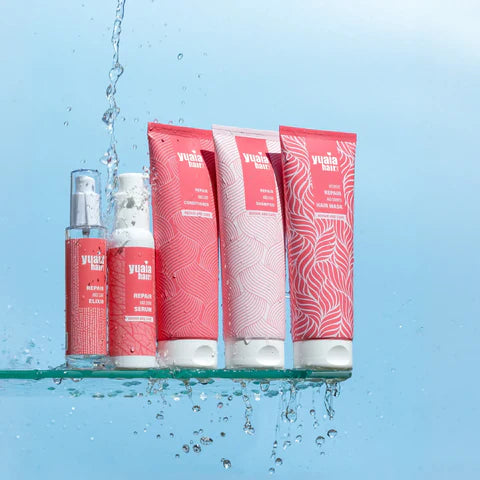
- Use conditioner or a hair mask as directed, adjusting the amount to your hair.
- Squeeze out water with a soft towel instead of rubbing.
- Detangle small sections from the ends, supporting the hair above knots.
- Limit heat styling and repeated bleaching to reduce further wear.
Curly hair: care and styling have different roles
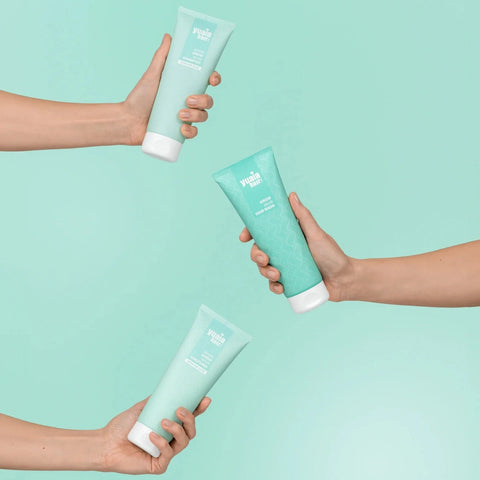
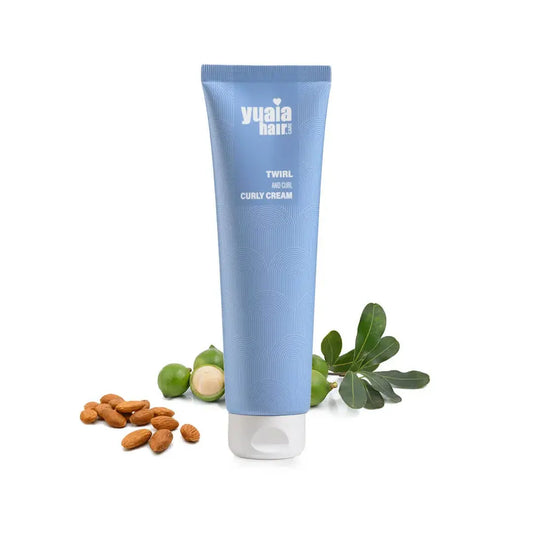
Curl cream can be used for styling and definition as directed. It does not necessarily replace conditioner or a hair mask and should not be presented as a treatment that repairs damage.
Detangle without pulling
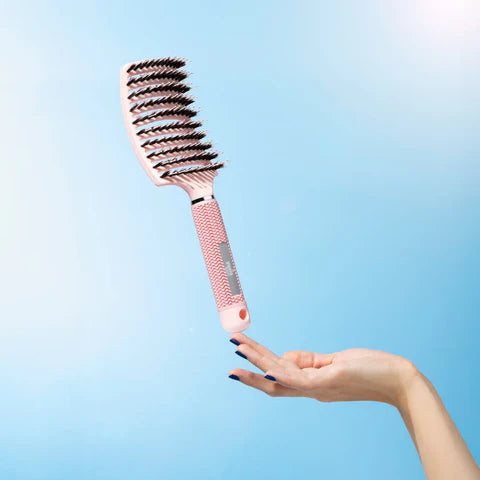
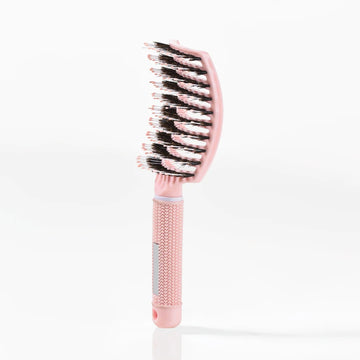
Choose a brush and method suited to your hair type. Work gently upwards from the ends. Stop if the brush catches; extra force will not remove the knot gently.

€24,99
If you use heat
Use a lower temperature and heat protection according to the product instructions. Let hair dry before using straighteners or curling irons. Heat protection does not make hair resistant to unlimited heat.

Frequently asked questions
Can I care for damaged hair without cutting it?
Yes, care can improve feel and manageability. Split ends and severely damaged lengths may still need trimming; assess this with a hairdresser.
How often should I use oil or a hair mask?
Follow the mask instructions. Try a small amount of oil and assess the result after washing. Reduce or stop if hair feels heavy or stiff.
How can I tell whether the routine suits my hair?
Easier detangling and a softer surface are signs of cosmetic improvement, not proof that damage has disappeared.
More on care and choosing products
See our damaged hair guide and learn more about coconut oil for hair.


