 2-5 day delivery
 100.000+ satisfied customers
 Satisfaction Guarantee












Identifying common signs of scalp inflammation
Persistent itching or burning sensation
One of the most noticeable signs of scalp inflammation is a persistent itching or burning sensation. This discomfort can become a daily nuisance, interrupting sleep and making it difficult to focus on everyday tasks. Conditions such as folliculitis and psoriasis are often linked to these symptoms, highlighting the importance of addressing them promptly. If left unchecked, the constant scratching can lead to further irritation and potential infection.
Redness or color changes
Redness or noticeable color changes on the scalp can be a clear indicator of inflammation. These changes might appear as red patches or areas of discoloration, often accompanied by a warm sensation. Such symptoms can signal underlying conditions like general inflammation or ringworm, which require attention to prevent further complications. Observing these changes early can help in identifying the root cause and taking appropriate action.
Bumps or pustules on the scalp
The presence of bumps or pustules on the scalp is another sign that should not be overlooked. These small, often painful lumps can indicate infections or folliculitis. If you notice these symptoms persisting, it's important to seek advice to prevent them from worsening. Regularly checking your scalp for such irregularities can aid in early detection and treatment.
Flaking and scaling
While flaking is commonly associated with dandruff, inflammation-related flakes tend to be more severe and persistent. Conditions like seborrheic dermatitis and psoriasis can cause excessive flaking and scaling, often accompanied by a greasy or yellowish crust. Differentiating between ordinary dandruff and inflammation-related flakes is vital for choosing the right treatment approach.
Tenderness and pain
Tenderness and pain in the scalp are often overlooked but can be significant indicators of underlying issues. This tenderness may be exacerbated by certain hair styling practices, such as tight hairstyles, which can lead to conditions like lichen planopilaris (LPP). Recognizing and addressing these symptoms early can help in preventing long-term damage.
Hair loss or shedding
Inflammation can have a direct impact on hair health, leading to hair loss or shedding. This can manifest as patchy thinning or bald spots, particularly near inflamed areas. Early detection is crucial to prevent permanent damage and scarring. By monitoring changes in hair density and shedding patterns, you can take steps to address the underlying inflammation before it leads to irreversible hair loss.
Self-checks and early detection methods
Conducting regular self-checks can be an effective way to catch signs of scalp inflammation early. Parting your hair in good lighting and using a mirror can help you spot any redness, bumps, or unusual flakes. Monitoring these symptoms over time for persistence and recurrence is key. If you notice any concerning signs, consider seeking professional advice for a thorough evaluation.
For those with curly hair, maintaining moisture and reducing friction are essential. Our Twirl and Curl curly cream helps define curls while providing hydration, making it a great choice for managing curly hair prone to inflammation.
Natural methods to soothe scalp inflammation
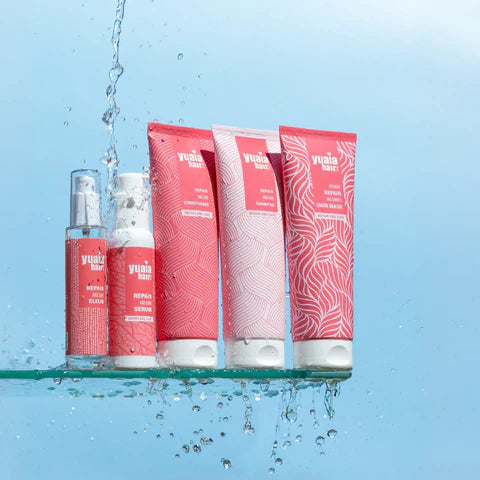
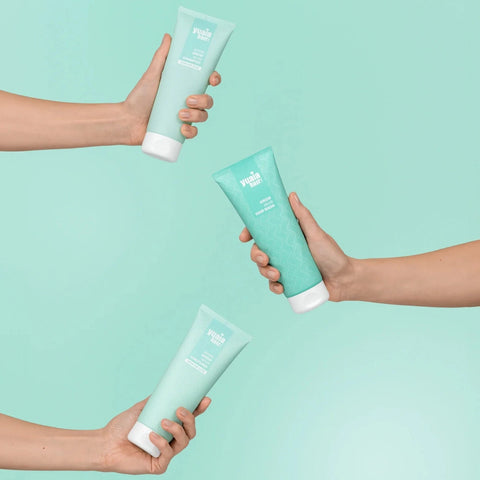
Managing scalp inflammation naturally involves using products that are gentle on the scalp. Gentle, sulfate-free shampoos can play a significant role in reducing irritation and promoting a healthy scalp environment. At Yuaia Haircare, we offer the Grow and Glow shampoo, which is made to soothe sensitive scalps while cleansing effectively without stripping natural oils. This can help in calming inflammation and maintaining scalp balance.

Beyond product choice, consider the benefits of regular scalp massages with natural oils. Using oils like rosemary oil can improve circulation and reduce inflammation. Our Rosemary oil can be a great addition to your routine, offering soothing properties while promoting overall scalp health.

Lifestyle adjustments to support scalp health
Making small lifestyle changes can significantly impact scalp health. Reducing stress through relaxation techniques or regular exercise can help minimize inflammation triggers. Additionally, avoiding tight hairstyles that pull on the scalp can prevent undue stress and irritation. Ensuring a balanced hair care routine that includes proper washing, conditioning, and gentle styling is important for maintaining a healthy scalp environment.
Consider using a microfiber towel to dry your hair, as it reduces friction and is gentler on the scalp compared to traditional towels. Our microfiber towel is an excellent choice for those looking to minimize scalp irritation and promote healthy hair.

Frequently asked questions
What is the difference between dandruff and scalp inflammation?
Dandruff is primarily a cosmetic issue characterized by flaking and itching, often without underlying health concerns. In contrast, scalp inflammation indicates a deeper problem, potentially involving redness, pain, and more severe flaking, which may require targeted treatment.
Can scalp inflammation lead to permanent hair loss?
Yes, untreated scalp inflammation can lead to permanent hair loss, especially if it results in scarring alopecia. Early detection and treatment are essential to prevent long-term damage to the hair follicles.
How often should I check my scalp for signs of inflammation?
Regular self-checks are recommended, ideally once a month, to monitor for any persistent or recurring symptoms. If you notice any concerning signs, it may be beneficial to seek advice to ensure proper care and management.


