 2-5 day delivery
 100.000+ satisfied customers
 Free shipping over €99











What can care improve?
Conditioning can make hair feel softer, smoother and easier to detangle. That does not mean every type of fibre damage disappears. Split or badly damaged sections may need trimming. Look for improved manageability and gentler habits rather than a promise of complete restoration.
Start with a simple routine
- Pause unnecessary heat styling and further stressful processing. Ask a hairdresser to assess the hair before more bleach or chemical treatment.
- Choose a suitable shampoo and adjust how often you wash your hair to suit your scalp's needs. Massage gently and rinse thoroughly; damage does not automatically mean washing less often.
- Use conditioner as directed and gently detangle small sections from the ends. Adapt detangling to your hair type.
- Blot or wrap hair in a towel rather than rubbing. Check how your hair looks and feels once it's dry, and change one thing at a time.
Shampoo, conditioner and masks have different jobs
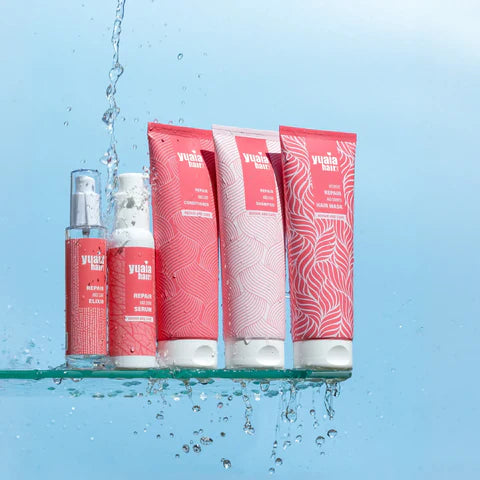
Repair and Care Shampoo and Conditioner are shown for cleansing and aftercare. Follow each product's directions. Sulfate-free or silicone-free wording does not by itself demonstrate that a product rebuilds damaged hair.

Intensive Repair and Care Hair Mask is a conditioning step for the lengths. Follow the instructions on how long to leave it on and how often to use it, rather than assuming you should apply a hair mask several times a week. More product and longer contact are not automatically better.


Protein and bond-building: assess the individual product
Protein-containing products and bond-building treatments are not one uniform solution. Properties and use depend on the formula. Do not assume everyone with damaged hair needs both. Test one change at a time and seek a hairdresser's assessment for extensive chemical damage. The care products shown here are not presented as documented bond-building treatments.

Protect the lengths in daily life
If you use heat, lower the temperature, limit repeated passes and use Style and Shine Heat Protection as directed. Heat protection does not make very high heat or repeated styling harmless.

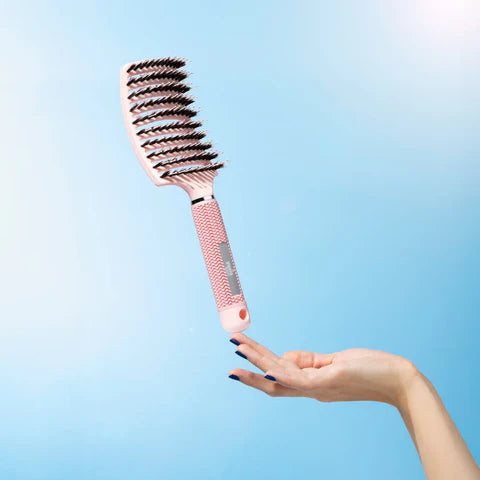
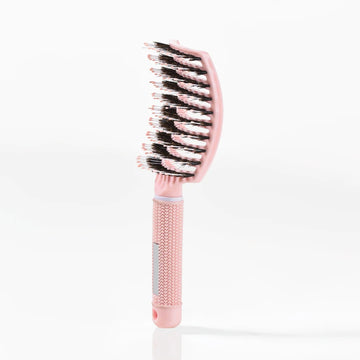
A wide-toothed comb can help with gentle detangling; do not pull through resistance. You can also choose to wear a bonnet at night. Tools and accessories do not replace care or trimming and do not repair the fibre.


When might trimming be needed?
If ends are split, or lengths keep breaking and tangling despite gentle care, ask a hairdresser to assess how much should be removed. There is no single timetable for everyone. Adapt future processing to reduce stress on the remaining lengths.
Frequently asked questions
Can I care for damaged hair without cutting it?
You can improve feel and manageability, but badly damaged or split sections may still need trimming.
How long does improvement take?
It depends on the extent of damage, the routine and how much length is retained. A fixed deadline in weeks or months cannot be promised.
Do I need protein at every wash?
Not automatically. Follow product directions, assess the result and avoid adding several treatments at once.


