 2-5 day delivery
 100.000+ satisfied customers
 Free shipping over €99











Layers for thick hair
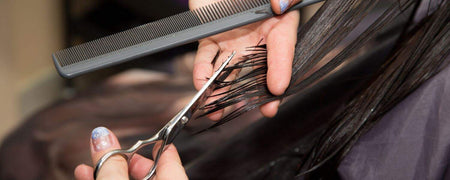
Consider blended layers that redistribute weight without making the outline too wispy. Explain whether you want an air-dried finish or a blowout, because that affects where the shortest layers should sit.
Layers for fine or thin hair
Start with subtle, longer layers or limited face-framing if keeping full-looking ends is the priority. Layers do not create more hair. Ask to see the intended outline before choosing a heavily feathered cut.
Face-framing without rigid face-shape rules
Choose where you want movement: near the cheeks, jaw or shoulders. A reference photo helps, but hairline, glasses, natural texture and the way you wear your hair are more useful than a rule that one face shape needs one haircut.
Layered haircut ideas to discuss with your stylist
Use the examples below to compare the finish, not as a promise of an identical result. Ask how each look behaves without salon styling and whether the shortest pieces still fit in your usual ponytail.
Feathered layers and softer ends
Feathering gives a lighter-looking finish at the ends. On sparse lengths, too much thinning can reduce the appearance of fullness. Ask for soft movement while preserving the perimeter if that matters to you.
Layered haircuts for curls and waves
Discuss the shape when your hair is dry and how much it springs back. Layers can alter the outline, but they do not change your natural curl type. Avoid selecting layer lengths only from a straightened reference photo.
Classic long layers with bangs
Long, blended layers with bangs are an option when you want movement while keeping length. Specify the shortest layer and fringe length, and check how much daily styling the bangs need.
Frequently asked questions about layered haircuts
These answers help you choose the cut. For a closer comparison of layer length, read our comparison of long and short layers.
What is the difference between long and short layers?
The terms usually describe the spacing and contrast within the cut, not simply whether the overall hair is long or short. Use our comparison of long and short layers to discuss the difference in shape and styling with your stylist.
How do I choose a reference photo?
Choose photos with hair thickness and texture similar to yours. Show the front, sides and back if possible. Explain which parts you like and which parts you do not want, rather than asking for an exact copy.
Can shoulder-length hair have layers?
Yes, but it needs a length-specific plan. See our shoulder-length layers guide for that cut, or our medium-length hairstyles guide for a broader choice of medium-length hairstyles.
How do I maintain long layers and bangs?
Refresh the cut when the outline or fringe no longer works for you. The interval varies by the cut and your preference. Keep your everyday routine gentle and use products according to your hair’s needs.
Styling layered hair: Choose your finish
You can wear layers smooth, waved or in their natural texture. Decide whether you want root lift, defined ends or a softer finish before choosing tools and products.
Use small amounts of styling product
Start with a little product and adjust. If the hair feels coated, reduce the amount. If it is soft but loses its shape, try a styling product with stronger hold rather than automatically adding more conditioner.
Blow-dry for shape, not maximum heat
Work in manageable sections and use an appropriate heat setting. Follow heat-protectant directions and avoid repeatedly heating the same ends. A round brush is one option, not a requirement for every layered cut.

Work with your natural texture
Let your stylist know if you mostly air-dry. The cut should still make sense in that finish. For waves or curls, scrunch gently and handle as little as possible during drying if you want definition.
Refresh the cut when needed
A trim reshapes the hair and tidies up the ends; it does not make hair grow faster. Agree with your stylist on signs that the fringe or layers need adjustment rather than following one schedule for everyone.

Accessories and tying the hair back
Before choosing short face-framing layers, check whether you want to tuck them behind your ears or tie them up. Soft clips can hold shorter pieces without pulling tightly at the roots.


Avoid repeated restyling
Try to adjust the style once rather than brushing, heating and reshaping repeatedly. If it needs a lot of effort each morning, discuss whether the layer placement suits your routine.

Dry shampoo is optional
Use it according to the directions to make the roots feel fresher temporarily. It does not replace washing or change the haircut. Avoid adding more if the scalp already feels coated or uncomfortable.

Maintaining the shape between appointments
Condition and detangle according to your hair’s needs. Styling can emphasise the cut, but products cannot permanently recreate a layer that has grown out.
Condition the lengths as needed
Use enough conditioner to make the lengths manageable, then rinse as directed. Choose richer or lighter conditioning products based on how your hair feels, not simply because it has layers.
Limit unnecessary heat
Choose a lower effective setting and avoid unnecessary passes. Heat protection does not make unlimited heating harmless. Let the lengths recover between styling sessions when possible.
Dry without rubbing
Gently press out water with a soft towel rather than scrubbing the lengths. Allow enough drying time and detangle carefully; a haircut does not make rough handling safe.
Detangle without pulling
Work from the ends upwards and use a suitable brush, comb or your fingers. Stop and loosen a knot rather than forcing through it. Choose wet or dry detangling according to your texture and condition.

Keep night-time styles comfortable
If you tie the hair back, keep it loose and avoid fastenings that pull or press. Night-time protection does not guarantee that layers stay styled or prevent every split end.

Wash according to your scalp
Layers do not determine washing frequency. Adjust to scalp comfort, oiliness and product buildup instead of following a fixed rule for layered hair.
90s layers: A soft, face-framing finish
The 90s-inspired look combines flowing layers with movement around the face and a soft bend at the ends. Decide whether you want that blowout finish or a version that works with your natural texture.
Who might choose 90s-inspired layers?
It is an option for someone who likes visible movement and face-framing. Ask how to preserve fullness in fine hair and how much weight to remove in thicker hair; the same cut will not behave identically on everyone.
Styling 90s-inspired layers
Style in sections and direct the ends where you want the bend. Use the lowest effective heat and avoid pulling at the roots. You can also choose a softer air-dried interpretation instead of copying a salon blowout.
Make the look fit your everyday routine
Keep the shortest layers long enough for the ways you wear your hair. Show a reference and describe your normal drying method. A practical consultation is more useful than choosing layers from a trend name alone.


