 2-5 day delivery
 100.000+ satisfied customers
 Free shipping over €99





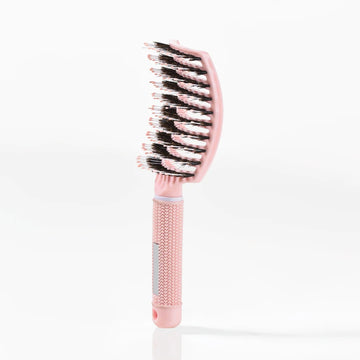





Waves in a longer bob
Soft waves can add movement to a longer bob. Let your natural texture guide the finish, or shape selected sections with a brush. If using a heated tool, work on dry hair with suitable heat protection. The images illustrate longer hair; ask your stylist how the same finish would translate to a shorter bob.
A smooth finish in a longer bob
For a smoother lob, guide the roots and lengths with a brush while drying, using heat protection first. Concentrate on the direction of the ends rather than repeatedly flattening the entire section. A short bob needs less length for the same outline, but cowlicks and natural bends can still affect the result.
Half-up styles: Check how much length you need
A half-up style works when the front pieces reach the back or a clip at the sides. Very short pixie cuts may not have enough length for this arrangement. If you often tie your hair up, ask the stylist to demonstrate which sections will reach before cutting. Longer bobs offer more options than a close crop.
4. Short hairstyles with a fringe
A fringe changes the front of a short hairstyle without needing to shorten the whole cut. Consider your parting, hairline and glasses when choosing a blunt, side-swept or longer curtain fringe. It may need its own morning styling and trims. See our curtain bangs guide for choosing length and managing face-framing pieces.
5. Asymmetrical short haircut
An asymmetrical cut leaves more length on one side or creates an angled outline. Decide how noticeable you want the difference to be and check the shape with your usual parting. A strong angle may need more deliberate styling than softer transitions. Ask what happens to the outline as the hair grows.
6. A textured, tousled short hairstyle
Textured short hair uses separation and movement rather than a completely smooth outline. Start with a small amount of product and shape a few sections with your fingers. Too much paste can flatten fine hair or clump the ends. A naturally tousled look still depends on the cut, hair texture and time spent styling.
Short hairstyles for women over 50
Age does not determine which short haircut you should wear. Choose the shape based on your hair’s density and texture, your comfort and how much maintenance you want. A bob can keep weight at the ends, while a pixie offers a shorter outline. If your hair has changed over time, describe what it does now rather than choosing by age alone.
A fresh shape without age-based promises
For a different look, try changing the fringe, parting or amount of movement around the face. Softer layers may suit your preferred finish, while a blunt outline can look more defined. No haircut guarantees a younger appearance. Bring photos of details you like and discuss a shape that feels comfortable and practical for you.
Short hairstyles with glasses
Wear your usual glasses to the appointment so the stylist can check the fringe and side lengths against the frames. Notice whether the hair catches behind the arms or brushes the lenses. There is no single correct haircut for glasses: choose the balance of hair and frames that you prefer and can style comfortably.
Pixie cut with glasses
A pixie can leave the temples and frames more visible. Ask how the side pieces will sit over or around the arms of your glasses, and where a longer fringe will fall. Check the cut with the glasses on before agreeing on the shortest sections. Small length changes can affect everyday comfort.
Short bob with glasses
A bob gives more length around the cheeks and jaw. Consider whether you want to tuck the front behind your ears, and check that the pieces are long enough to stay there. If the fringe meets the top of the frames, adjust its length or direction so it does not constantly fall into your eyes.
Asymmetrical bob with glasses
An asymmetrical bob can create more movement in the hair on one side of the face. Try the proposed parting with your glasses before choosing the angle. One side may be easier to tuck away than the other. Ask how the longer side will behave when air-dried, especially if you want limited daily styling.
Layers around the face and frames
Face-framing layers can connect a fringe to the sides of a short cut. Choose their length around the temples and cheekbones rather than adding many very short pieces automatically. If your hair is sparse through the lengths, excessive layering can make the ends look thinner. Ask the stylist to keep enough weight for the shape you want.
Short curly hairstyles for women
For short curls, the finished length after drying matters more than the wet length alone.e. Discuss shrinkage, curl direction and where the widest part of the shape will sit. A short curly bob and a cropped curly style distribute volume differently. Ask the stylist to assess your natural curl pattern before deciding on the layers.
Choosing the length of a short curly cut
Bring a photo of your curls on an ordinary day, and explain whether you diffuse, air-dry or reshape them between washes. Very short layers may spring up more than expected. Choose products by dryness, density and the hold you need, rather than assuming all short curls need the same amount of rich conditioning.
You can squeeze out water with a microfibre hair towel.
Curly short hair requires extra moisture to avoid dryness or split ends.


Washing and conditioning short hair
Wash according to your scalp, activity and product use; a fixed every-other-day schedule will not suit everyone. Massage the scalp gently and condition mainly through the lengths. Squeeze out water instead of rubbing vigorously with a towel. Short hair can still have dry ends, but heavy conditioner close to the roots may reduce lift.
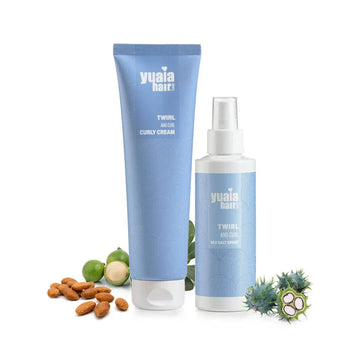
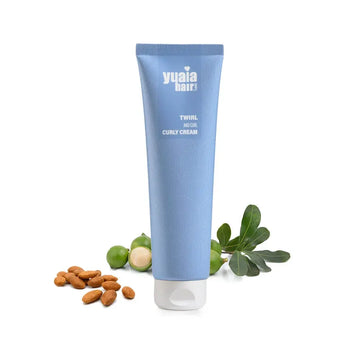
Compare hair oil and hair serum for your lengths. For styling options, see Twirl and Curl Curl Cream, our dry shampoo guide and saltwater spray.
Leave-in conditioner and styling products
A leave-in conditioner can help dry-feeling lengths feel softer, while mousse, gel or curl cream shapes the finish. Begin with a small amount and adjust after drying. A hair oil or serum is not automatically a heat protectant: use a product with suitable instructions before heated styling.
Compare protein haircare, care for dry hair and hair masks to choose care by the needs of your lengths.
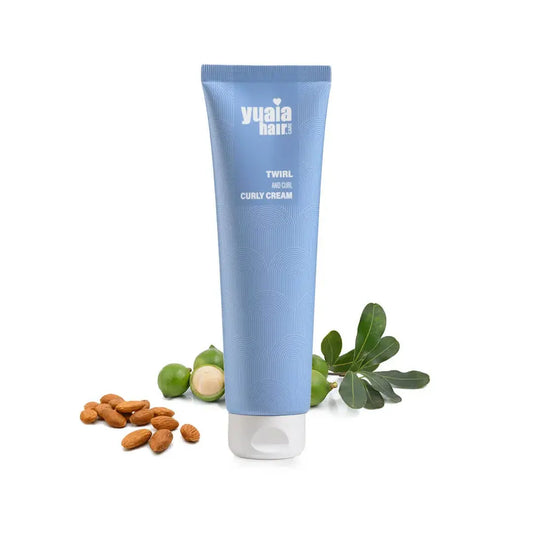

Hair masks: Use them according to need
Use a mask when the condition of your lengths calls for extra care, not simply because the hair is short or curly. Fine hair may need a lighter amount; dry or treated lengths may prefer more conditioning. Follow the product directions and rinse when instructed. Judge the amount by how the hair feels after rinsing and drying.
For more routine ideas, see our Curly Girl guide and curl care.


Styling short natural curls
Apply your chosen styling product to damp hair, form a few curl groups with your fingers and scrunch gently. Air-dry or diffuse on a low setting, touching the curls as little as possible during drying. Once dry, separate selected pieces if needed. If the roots fall flat, adjust the product amount before adding more layers.
What to discuss before cutting your hair short
Explain how short you are comfortable going at the fringe, ears and nape, and whether you need to tuck or tie up any sections. Ask about the expected finish without a full blow-dry and the maintenance interval. For a major change, a stylist can assess your texture and cowlicks; one fixed cutting method does not suit every short hairstyle.

How to get volume in short hair
Try a lightweight styling product at the roots and lift small sections while drying. For natural curls, a diffuser can help guide the shape; for straight hair, a brush can direct the roots. Avoid coating the whole head with rich products. Layers may create movement, but removing too much weight can make sparse ends look thinner.
Read more about bamboo pillowcases if you want to compare pillowcase surfaces.

Refreshing curls between washes
Lightly dampen flattened sections and reshape only the curls that need attention. Add a small amount of product if necessary rather than repeatedly coating the whole cut. Let the hair dry before separating it. A smoother pillow surface may reduce friction, but no fabric guarantees unchanged curls overnight. Adjust your routine to what your hair actually needs.


How to curl short hair with a heated tool
Use a heated curling tool only on dry hair with suitable heat protection. Work in small sections that are long enough to wrap without bringing the tool too close to the scalp, ears or face. Choose the lowest effective temperature and avoid repeated passes. For very short pieces, shaping with a brush may be more practical than using a curling iron.
Frequently asked questions about short hairstyles
These answers help you compare the cut with your hair texture and everyday routine. Use them as a starting point for a conversation with your stylist, especially if you are changing from long hair to a very short shape.
Who can wear short hair?
Short hair can be adapted to many face shapes. The fringe, parting, volume and position of the ends matter more than following one rigid rule. Hair texture, cowlicks and your styling preferences also influence the result. Try reference photos with your stylist and choose the outline you feel comfortable wearing.
Are short hairstyles low maintenance?
Some short cuts need little daily styling, but precise outlines and short fringes can require frequent trims. Straight hair, cowlicks and a strongly layered crown may also need morning reshaping. Choose a cut that works with your natural texture and ask how it is likely to look without a full blow-dry.
Can you curl short hair without heat?
Yes, if there is enough length to hold a small roller, twist or braid. Start with lightly damp hair and let it dry fully before removing the arrangement. Very short sections may not wrap securely. Natural waves can also be encouraged with scrunching. Results depend on texture and length; heatless styling does not create permanent curls.


