 2-5 day delivery
 100.000+ satisfied customers
 Satisfaction Guarantee





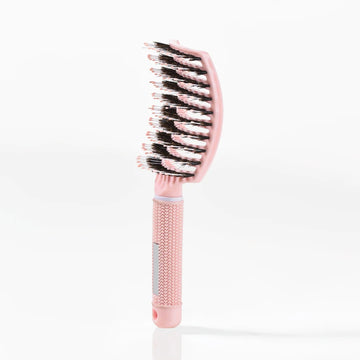


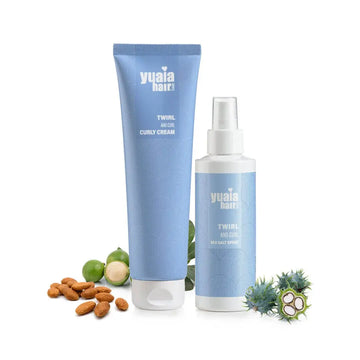

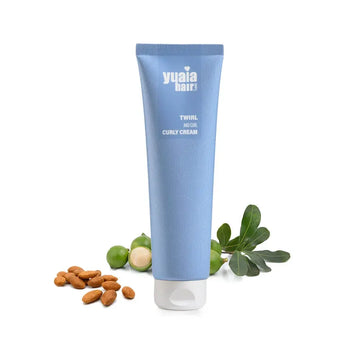




What is the Curly Girl method?
Often shortened to CGM, the Curly Girl method combines a gentler hair-care routine with techniques such as scrunching and air-drying. Traditional versions avoid sulphates and silicones, while many people adapt those rules to their hair, their products and the cleansing their scalp needs.
Think of it as a starting point for experimenting. There is no single routine that suits every curl type, and you do not need to put up with an itchy scalp or product build-up to follow the method.
Curly Girl products: what do you need?
- A cleanser: a gentle shampoo, often called low-poo, or a cleansing conditioner designed for co-washing.
- A conditioner: choose a lighter texture for easily weighed-down waves and a richer one if your lengths need it.
- A styling product: try gel for hold, mousse for a lighter finish or a small amount of curl cream. You do not need all three.
- A soft towel: a smooth cotton T-shirt or a suitable microfibre towel can help you blot water without rubbing your curls.
“Curly Girl approved” usually describes compatibility with a particular interpretation of the method. It is not a universal safety certification. A product without silicones or sulphates can still be unsuitable for your hair, so consider the full formula and how it performs.
See our products for curly hair and low-poo shampoos. Check each product’s directions and ingredients rather than assuming every item in a collection follows the same ingredient rules.

Co-wash or low-poo?
Co-washing means cleansing with a conditioner formulated for that purpose. An ordinary rinse-out conditioner is not necessarily an effective scalp cleanser. Low-poo means using a gentler shampoo; in Curly Girl routines it often refers to a sulphate-free option. Both approaches still need to remove oil, dirt and styling residue.
If co-washing leaves your roots greasy or your hair heavy, try shampoo instead. You can also alternate according to your needs. Read our guide to co-washing for more about the difference.
Silicones, sulphates and alcohol: read the whole formula
Avoiding an ingredient to follow a method is different from saying it is harmful in every product. Cleansing strength depends on the formulation, not only on whether the label says sulphate-free. Silicones can provide slip and a smoother feel, although some routines need a cleanser that removes their residue.
Not all alcohols have the same role. Fatty alcohols such as cetyl alcohol and stearyl alcohol are commonly used in conditioners. Do not reject a moisturising formula simply because its ingredient list contains the word “alcohol”.
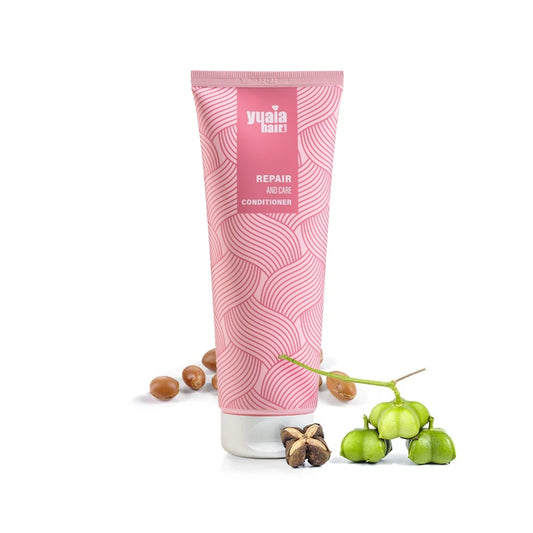
How to start the Curly Girl method: six steps
1. Cleanse your scalp
Wet your hair thoroughly. Apply your chosen cleanser to the scalp, massage with your fingertips and rinse well. Follow the product’s directions. If you already have substantial build-up, choose a cleanser that removes it; a compulsory “final wash” with one particular ingredient is not necessary for everyone.

2. Condition and gently detangle
Apply conditioner mainly to the lengths and ends. While your hair is wet and slippery with conditioner, work through tangles in small sections with your fingers or a wide-toothed comb. Start at the ends and work upwards. Rinse according to the instructions; leave-in products should be used as directed.
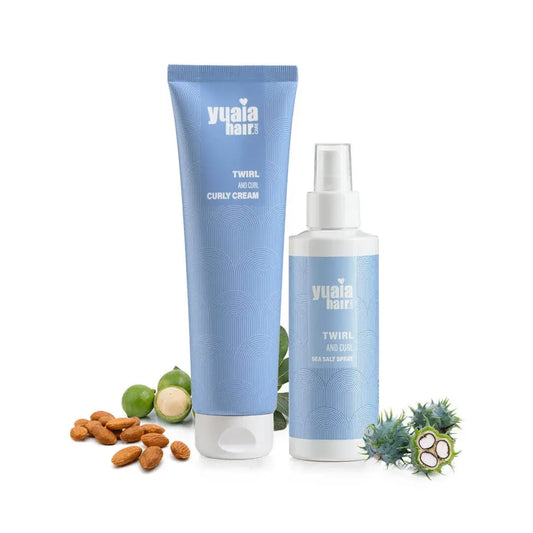

3. Apply a small amount of styling product
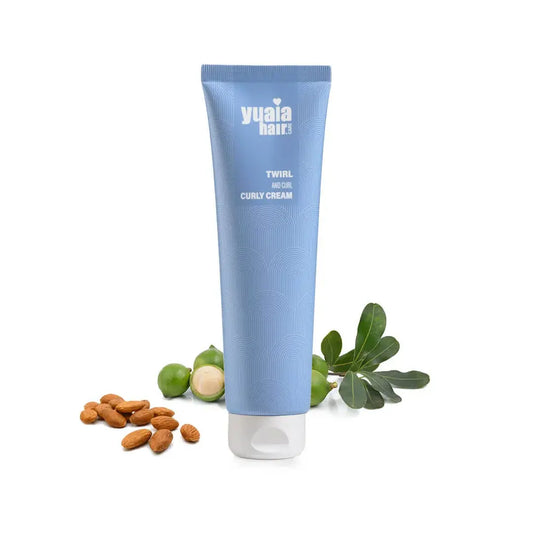
Spread gel, mousse or curl cream through wet or damp hair, depending on the product. Begin with a small amount, especially if your hair is fine. More product does not automatically mean better curls. If the finished hair feels sticky or heavy, reduce the amount or try a lighter formula next time.


4. Scrunch to support the curl shape
Cup the ends of your hair in your hands and gently lift them towards your roots. This is scrunching: it encourages existing waves and curls to gather together. Avoid squeezing roughly or repeatedly pulling apart the same sections.

5. Blot or try plopping
Gently blot excess water without rubbing. Plopping means loosely wrapping the curls in a T-shirt or suitable towel so they rest on top of the head. Try it briefly and see how your hair responds. If your roots flatten or your curls lose their shape, skip it. You do not have to sleep with wet hair wrapped up.
6. Dry, then soften any gel cast
Let your hair air-dry, or use a diffuser with low heat and gentle airflow. Touch it as little as possible while it dries. Some gels form a firm outer layer, called a cast. Once your hair is fully dry, gently scrunch to soften it. A cast during drying is different from a sticky finish caused by too much product.

Adapt the routine to your hair
Fine or wavy hair may need lighter conditioning and more regular shampooing than thick curls. Tighter curls may benefit from working in sections and using more conditioner on the lengths. Hair texture is only one factor: scalp oiliness, exercise, styling products and your own preferences matter too.
Change one thing at a time, such as the amount of conditioner or the styling product. Comparing several wash days makes it easier to see what helps than changing every product at once.
Refresh and protect your curls between washes
If your hair needs a refresh, lightly dampen the sections that have lost definition and scrunch them. Add a little styling product only if needed. At night, a loose high ponytail or loose braid can help reduce tangling. A smooth pillowcase or comfortable sleep bonnet is another option; neither replaces washing or conditioning.

Advice from hairdresser Lasse Søby

In our interview, Lasse Søby emphasises matching products to the curl type and applying small amounts in layers so the finished hair feels light. He also describes cutting styled curls when dry to assess their shape and how much they spring up, drawing on techniques including Curl by Curl Cut, Rezö Cut and Deva Cut. Discuss the approach that suits your hair with your own hairdresser.
Frequently asked questions about the Curly Girl method
How often should you wash your hair?
There is no compulsory weekly schedule. Wash when your scalp and hair need it, taking oiliness, sweat and product residue into account. If hair feels coated or dull, you may need a more effective cleanse rather than another layer of conditioner.
Can you brush your curls?
Gentle detangling is part of caring for curly hair. Many people prefer fingers or a wide-toothed comb on wet, conditioned hair. Brushing dry curls can separate the curl groups and change the finish. Choose a tool and technique that remove tangles without pulling.
What if your scalp becomes itchy or your hair greasy?
Do not assume this is a necessary “detox” phase. Rinse thoroughly, reconsider the products you use and cleanse as needed. Stop using a product that irritates your scalp. Persistent itching, redness or flaking deserves advice from a healthcare professional rather than stricter styling rules.
Do you need a hair mask?
A mask is optional. Use one if your lengths benefit from it and follow the directions. Fine hair can become weighed down by rich treatments, so adjust the amount and frequency instead of adding a mask automatically to every wash.

How long before you see results?
Your styling finish may change from the first wash, but finding a comfortable routine can take several attempts. There is no guaranteed timetable or promise of frizz-free curls. Keep the steps that help your hair and change the ones that do not.


