 2-5 day delivery
 100.000+ satisfied customers
 Satisfaction Guarantee










Who does the Rachel haircut suit?
The Rachel haircut works best for medium to thick hair, or fine hair that responds well to volumising products. The layering creates lift and separation, which can help reduce heaviness in dense hair while adding shape to straighter textures.


Face shapes such as oval, long, square and heart are especially complemented by the cut. Those with rounder face shapes can still wear it, but may prefer slightly longer face-framing layers to avoid adding extra width.
Lifestyle is another consideration. The original version required consistent styling to maintain the signature flicks and volume. If someone prefers a very low-maintenance routine, they might want a softer, more modern interpretation.
What to ask for at the hairdresser
Bring a few reference photos that show both the shape and the type of layers you prefer. Ask for a shoulder-length cut with face-framing layers beginning around the cheekbones, and mention whether you’d like the ends to sit softly rounded or have a subtle flick.
Explain your hair texture so the hairdresser can tailor the layering, whether that means keeping layers slightly longer for fullness or adding internal layers for better movement. You can also talk through your daily styling habits and how the cut will grow out, ensuring it stays manageable between appointments.

How to style the Rachel haircut
-
Start with clean, damp hair and make sure it is prepped for smoothness, movement and lift. A well-prepared base helps the layers fall naturally, which is important for keeping the Rachel haircut airy, full of life and shaped the way it is intended. Taking a moment to detangle and ensure even product distribution will also make the styling steps ahead much easier.
- Apply a light smoothing serum or a small amount of hair oil to control frizz and add shine. This creates a polished surface, supports the soft texture the cut is known for and helps the layers blend seamlessly. It also gives the hair the slip needed for easier blow-drying and better control throughout the styling process.
- If you want extra body, work a volumising mousse or a root-lift spray into the roots. The Rachel look relies heavily on lifted roots and fluffy layers, so this step builds the foundation for that signature shape. Focus the product at the crown and around the face to enhance contouring.
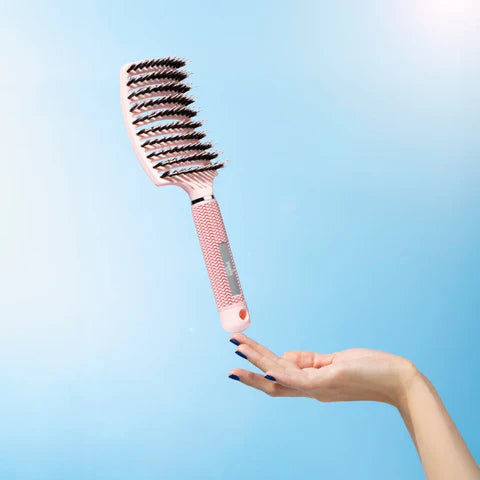
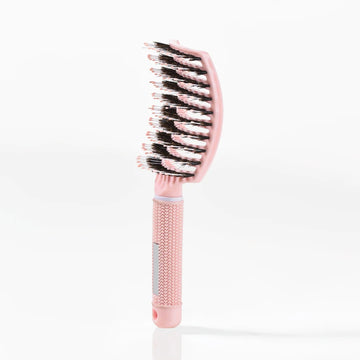
- Begin blow-drying with a round brush, lifting the roots and directing the hair away from the face. This technique creates bounce, soft curves and face-framing movement. Work in sections so the layers sit correctly and keep the blow-dryer angled for smooth, controlled airflow.
- Use the brush to flip the ends outward or inward, depending on whether you prefer a more dramatic or a subtle finish. This detail defines the layers and adds the recognisable movement associated with the cut.
- Optionally add a few loose waves with a curling tool to enhance dimension and give the style a lived-in feel.
- Set the style with a lightweight hairspray or texture spray to maintain shape without stiffness.
- On rushed days, rough-dry the roots and use a texturising spray for an effortless, undone version.
- Maintain the shape with regular trims so the layers stay fresh, lifted and balanced.
Things to consider before choosing the Rachel haircut
Even though the Rachel haircut is flattering, it does require commitment. The layering demands regular styling to maintain its signature movement. Blow-drying, round-brushing and occasional curling may become part of the routine if you want the shape to stay lifted and defined.
Those who prefer minimal styling might want to choose a modernised, softer version with less pronounced flicks. Talking through your preferences with your hairstylist helps ensure the final cut matches your hair type, daily habits and the level of upkeep you are comfortable with.
Bringing the Rachel back to life
The Rachel haircut remains a versatile and flattering choice that brings soft movement, balanced structure and a lasting, stylish look. With the right layering, styling technique and hair care routine, it can be adapted to suit many different individuals. By understanding what to ask for, who the cut works best for and how to style it, anyone can enjoy a refreshed version of this iconic look.


