 2-5 day delivery
 100.000+ satisfied customers
 Free shipping over €99










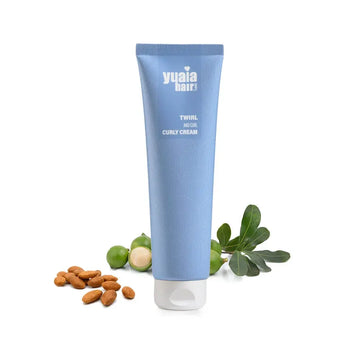


Is your hair already greasy after washing?
Notice the timing: Were your roots oily before bed, or only the next morning? If hair feels sticky or heavy immediately after washing, check product amounts and rinsing first. Read our guide to greasy hair after washing.
Review the products in your evening routine
Conditioner, leave-in products, oil and styling products can weigh hair down if you use too much or apply them in the wrong places. Follow their directions and condition lengths and ends where needed. Ordinary rinse-out conditioner should not automatically stay in overnight. Hair oil, including rosemary oil, is not a solution for greasy roots; stop using a product or adjust how you use it if it leaves your hair oilier.

Pillowcases, bonnets and your sleeping environment
Wash pillowcases and bonnets according to their care instructions, especially when sweat or product residue has built up. Choose comfortable materials and make sure your bonnet fits comfortably. A particular fabric is not an established treatment for an oily scalp. A bonnet should feel comfortable and any bedtime hairstyle should be loose. A comfortable, ventilated room may help if you get hot and sweaty.


A simple routine before bed
Rinse shampoo and rinse-out conditioner thoroughly. Dry gently without vigorous rubbing. Avoid applying extra oil or styling products to the roots, and keep skincare products that could rub off onto your hair away from the hairline. Use a clean pillowcase. Change one habit at a time and note how your roots feel the following morning.
How often should you wash your hair?
Adjust how often you wash your hair based on how much oil, sweat and product residue builds up. An oily scalp may need daily washing; dry or curly lengths may have different conditioning needs. Consider the whole shampoo formula and its directions. Sulfate-free does not automatically mean better for greasy hair. See our guide to washing hair properly.
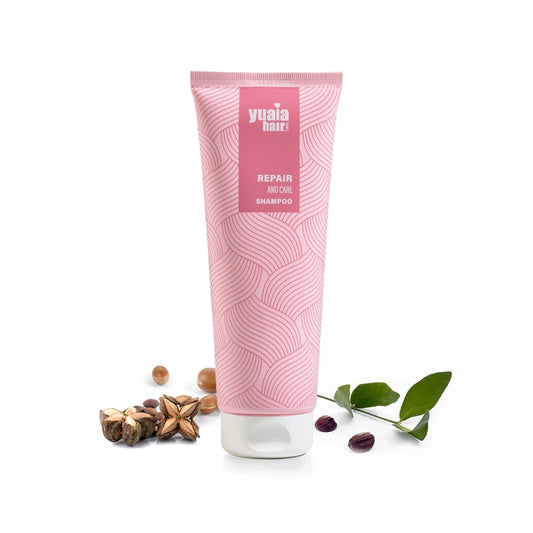
What can you do about greasy roots in the morning?
Wash when your hair needs it. Dry shampoo can absorb oil between washes, but it does not cleanse the scalp or replace shampoo and water. Use a small amount as directed and stop if irritation occurs. Avoid repeatedly layering it to conceal a routine that is not working.
When should you seek advice?
If changes to rinsing and product use do not help, get advice on your routine. Persistent itching, marked redness, sores, pain or sudden hair loss should be assessed by a healthcare professional. Greasy hair alone does not establish a diagnosis.


