 2-5 day delivery
 100.000+ satisfied customers
 Satisfaction Guarantee















Wolf cut variations for women
Choose a variation by deciding how much length you want to keep, how short the crown can be and whether you want a fringe. Bring front, side and back reference photos showing hair similar to yours. Ask the stylist which features are achievable with your density and texture, rather than requesting an exact copy of a photograph.
Long wolf cut: Keeping length with shorter layers
A long wolf cut keeps the overall length while introducing shorter layers around the crown and face. It can reveal waves that were hidden by the weight of the hair, but very short top layers may need styling to sit well. If you regularly tie your hair up, ask which pieces will still reach your ponytail and compare our layered haircut guide.
Short wolf cut: Shape and everyday styling
A short wolf cut brings the layers closer together and creates a more compact, textured shape. Decide how much length you want around the ears and nape, and whether the fringe should blend into the sides. Short does not automatically mean less work: crown pieces may stick out after sleep and need dampening and reshaping in the morning.
Curly wolf cut: Work with the curl pattern
For curly or wavy hair, discuss shrinkage and where the shortest layer will sit once the hair is dry. Removing too much weight at the ends can make the outline sparse; overly short crown layers can lift more than expected. Let the stylist assess your natural texture and consult our curl types guide if you need help describing your waves or curls.
Wolf cut with curtain bangs
Curtain bangs can connect the forehead area to the shorter side layers. Choose their length around your parting, hairline and the time you want to spend styling them. A longer fringe is easier to tuck away; a shorter one makes the front more prominent. See our curtain bangs guide for help choosing the length and shaping the fringe.
Wolf cut with an undercut or asymmetrical details
An undercut or an uneven outline is an optional adaptation, not a requirement for a wolf cut. Removing hair underneath changes the fullness of the shape and can be difficult to conceal while it grows out. Discuss where the section will be visible with your usual parting and updos, and start conservatively if you are unsure.
How to ask your hairdresser for a wolf cut
Explain your preferred overall length, shortest crown layer, fringe and contrast between the front and back. Mention any cowlicks, how often you use heat and whether you need to tie your hair up. Ask the stylist to show where the layers will fall before cutting. A single ponytail cut cannot reliably reproduce a tailored salon shape.
Understanding hair density helps you describe how full the lengths are.
How to style a wolf cut
Start with damp hair and gently squeeze out excess water. Choose a light mousse for lift or a small amount of curl product for definition, depending on your texture. Distribute it where it is needed rather than coating every layer heavily. Shape your fringe and parting first, then work through the crown and lengths to guide the finished silhouette.
Drying a wolf cut: Air-drying, diffuser or brush
Air-drying may suit hair that already falls into the desired shape. For waves and curls, scrunch gently and use a diffuser on a low setting if needed; keep handling to a minimum as the hair dries. For straight hair, a nozzle and brush can guide the roots and ends. Apply heat protection before heated drying and avoid unnecessary repeated passes.
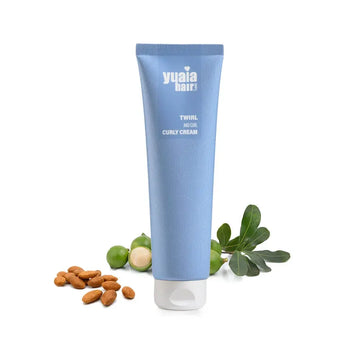
Read more about choosing and using curl cream for your texture.
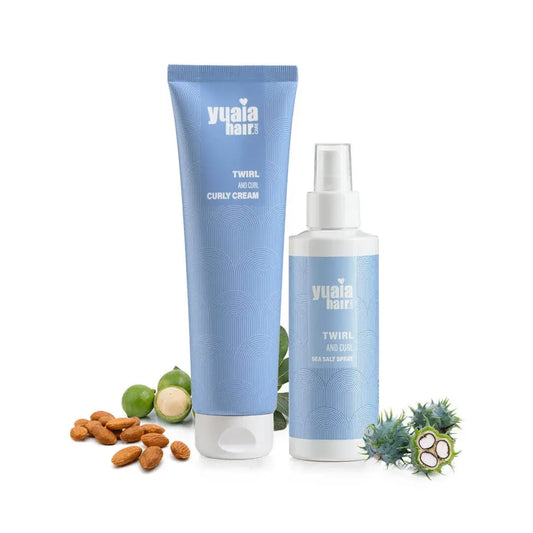

Creating a softly tousled finish
Once the hair is fully dry, separate a few layers with your fingers rather than brushing everything into a uniform shape. Rub a small amount of styling paste between your fingertips and apply it only to selected ends. Build gradually: too much product can flatten the crown or make fine ends look clumped rather than textured.
Styling a wolf cut on straight hair
Straight hair can show the difference between short crown layers and long ends clearly. If the layers fall flat, lift the roots while drying and give a few face-framing pieces a gentle bend. A light texture spray may help with separation. The haircut itself will not create lasting waves, so choose a softer version if you prefer little daily styling.
For product choices, see saltwater spray and dry shampoo. Use dry shampoo only when appropriate for your scalp; it does not replace washing.

A smoother wolf cut for special occasions
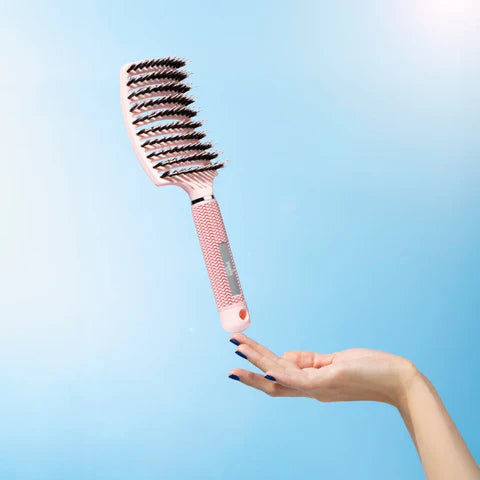
For a smoother finish, work in small sections and guide each layer with a brush instead of trying to flatten the whole cut at once. Keep some movement at the ends so the different lengths blend. If using an iron, work on dry hair with suitable heat protection and choose the lowest effective temperature rather than repeatedly reheating each section.
How much maintenance does a wolf cut need?
The tousled appearance can disguise small changes in length, but a wolf cut still needs care and occasional reshaping. Short fringes, pronounced crown layers and straight hair may need more daily attention than a softer version on naturally wavy hair. Choose the cut around your actual routine and how you want it to look without a full blow-dry.
When to trim the layers and fringe
Book a reshape when the crown loses its intended outline, the fringe obstructs your vision or the ends no longer sit comfortably. The interval depends on growth, the starting length and your preferred finish; there is no single schedule for everyone. Tell the stylist if you are growing out the cut so unnecessary shortening of the crown can be avoided.
A simple haircare routine for layered hair
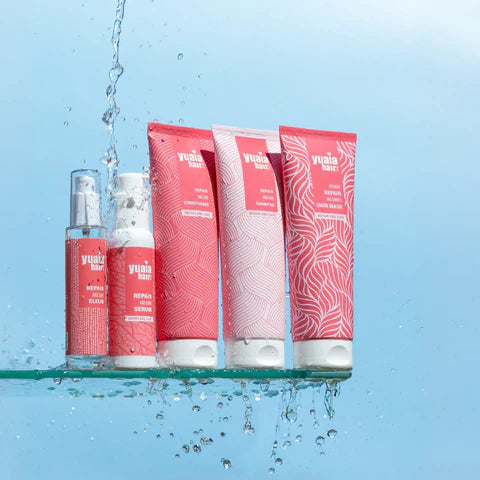
Wash according to your scalp and styling needs, then condition mainly through the lengths and ends. Adjust the amount to your hair: fine layers can feel heavy with too much rich conditioner, while dry or coarse lengths may need more. Use a mask when the condition of the hair calls for it rather than assuming every wolf cut needs a fixed weekly treatment.


Managing frizz and using heat protection
Avoid rough towel-drying and work a small amount of leave-in conditioner through dry-feeling lengths if needed. On curly hair, shape the curl groups while damp and let them dry before separating them. Before heated styling, follow the heat protectant instructions and limit the exposure. Heat protection reduces risk; it does not make repeated hot styling damage-free.

How to grow out a wolf cut
Growing out a wolf cut means letting the shortest layers catch up with the longer perimeter. Ask for small adjustments to the outline and fringe while keeping the crown length. You may pass through a softer shag shape before the layers feel more even. Do not repeatedly cut the top short if your goal is to reduce the contrast.
Choosing the right wolf cut for your routine
The best version is one that works with your density, natural texture and everyday habits. Save reference photos of both a styled finish and a more natural one, and agree on the shortest acceptable layer with your stylist. If you mainly want subtle face-framing movement, consider longer layers or a butterfly haircut before committing to a more pronounced wolf cut.


