 2-5 day delivery
 100.000+ satisfied customers
 Free delivery over £49










Scalp eczema: types, symptoms and treatment

by Nanna Bundgaard | 26. June 2023 | Reading time: 2 minutes
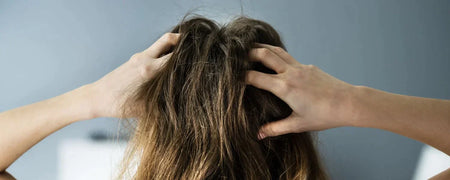
Read more about the authorScalp eczema can cause itching, scaling, redness or other colour changes and sometimes weeping skin. Seborrhoeic, atopic and contact eczema are different conditions. They are not all caused by fungus, oily skin or lack of moisture and may need different treatment.
Clarifying the cause and treatment
A clinician assesses the skin changes, history and possible triggers. Suspected contact allergy may warrant allergy testing. Treatment may involve suitable skin preparations or medicated scalp treatment according to the type. Follow your individual plan rather than transferring advice or medicines from another type of eczema.

A gentle haircare routine
Wash as needed with a product you tolerate and rinse thoroughly. Avoid vigorous brushing, scrubbing and new chemical treatments on irritated skin. Follow separate directions for medicated shampoo; one washing frequency or contact time does not suit everyone.

Home remedies are not treatment
We do not recommend essential oils, vinegar, baking soda or supplements as treatments for sores, eczema or psoriasis. Natural origin does not guarantee skin tolerance. Do not add new mixtures to damaged skin or change prescribed treatment on your own.
Signs that need prompt help
Seek prompt medical advice, preferably the same day, for pus, increasing pain, hot swollen skin or spreading redness. Fever or feeling unwell alongside skin symptoms also needs prompt assessment. Do not wait to see whether a hair product helps.
When should you book an appointment?
Contact a clinician for persistent, recurrent or severe symptoms, non-healing wounds or patchy hair loss. Treatment depends on the cause; a cosmetic routine cannot replace examination. Seek earlier help for rapid worsening rather than trying home care for several weeks.
Prepare for your assessment
Note the onset, progression, new products, hair dye and hairstyles. Bring names of products and medicines you use. Mention rashes elsewhere and any hair loss. This is more useful than trying several treatments at once.
Frequently asked questions
Is changing hair products enough?
Not for persistent pain, sores or a suspected skin condition. Have the cause assessed. Product changes may be relevant but do not replace necessary investigation or treatment.
Further reading
Medical sources
Get a 10% discount code sent to you
Receive the best tips and tricks for your hair from Lotte and Nanna 🥰


