Itchy scalp: causes, care and itching after washing

Itchy scalp: causes, care and itching after washing

Excellent Based on 14354 reviews
Go directly to solution

Explore our range of care for a dry and sensitive scalp.

What is itchy Scalp?

Itching has several possible explanations, including dryness, a reaction to a product or a skin condition. Notice when it starts and whether you also have redness, flakes or sores. Symptoms alone are not a reliable way to diagnose the cause yourself.

An itchy scalp is a very annoying and uncomfortable experience, which can often lead to sores on the scalp if it itches a lot. An itchy scalp can occur for longer or shorter periods. The symptom is something everyone can experience, and it can be very varied. Therefore, there are also many different causes of an itchy scalp. It can be important to identify the cause(s) of the itchy scalp to address it effectively. Read on to find out what causes there might be.

Itchy scalp

Causes of itchy scalp

As mentioned, there can be many different causes of an itchy scalp. Most scalp problems will cause itching, so it's a very common symptom. There can be many causes of an itchy scalp, ranging from diseases to dry scalp. Here are some of the most common causes of an itchy scalp.


Frequently asked questions

How often should you wash?

There is no washing interval that suits everyone. Adjust for your scalp, hair, exercise and styling products. Follow the directions for an anti-dandruff shampoo and ask a pharmacist if you are unsure.

When should you seek advice?

Seek medical advice for severe or persistent symptoms, sores, obvious swelling, weeping skin or patchy hair loss. Cosmetic care does not replace assessment of a skin condition. Stop using a product that causes a reaction.

Hyppige hårvask kan give hovedbundsproblemer

Hair brush with a lot of hair


When should I contact a doctor for an itchy scalp?

Seek medical advice for severe or persistent symptoms, sores, obvious swelling, weeping skin or patchy hair loss. Cosmetic care does not replace assessment of a skin condition. Stop using a product that causes a reaction.

Other signs that you should contact a doctor include:

  • The itching worsens and affects your daily life or sleep.
  • Treatment of itchy scalp

    1. Rinse your hair thoroughly: When washing your hair, make sure to rinse it thoroughly to remove all shampoo and conditioner residues. Product residues can irritate the scalp and cause an itchy scalp.
    1. Avoid hot water: Rinse your hair with lukewarm or cold water instead of hot water. Hot water can dry out the skin and lead to an itchy scalp.

    hyppige hårvask

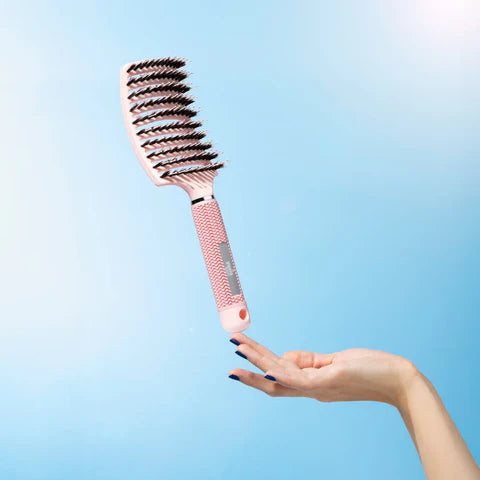
    1. Use a gentle brush: Choose a brush with soft bristles to avoid further irritating the scalp. Avoid using brushes with hard bristles or metal teeth, as these can scratch and irritate the scalp.
    1. Avoid using heat styling tools: The use of heat styling tools like hairdryers, flat irons, and curling irons can dry out the scalp and cause itching. Try to avoid these tools or use them on low heat settings to minimize damage.

    How to choose the right shampoo for itchy scalp

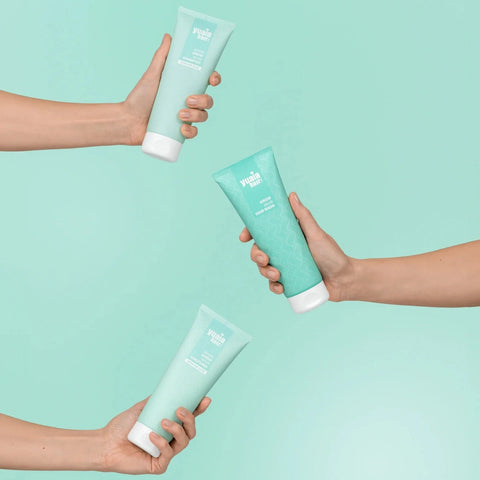
    For ordinary dryness or a sensitive scalp, consider Scalp Relief Shampoo, a fragrance-free shampoo for gentle cleansing of the hair and scalp. Massage gently into wet hair and rinse thoroughly.

    Read more: Shampoo for dry scalp: how to choose and use it.

    Scalp Relief Serum is a fragrance-free leave-in serum for a dry or sensitive scalp. Apply to a clean scalp after washing, massage gently with your fingertips and leave it in without rinsing.

    Explore the Scalp & Relief range.


    Good advice for preventing an itchy scalp

    • Avoid frequent use of heat styling tools: Heat tools like hairdryers, flat irons, and curling irons can dry out the scalp, leading to itching. If you use these tools, make sure to use them on low heat settings and use a heat-protective spray.

    Further reading

    Get a 10% discount code sent to you

    Receive the best tips and tricks for your hair from Lotte and Nanna 🥰