 2-5 day delivery
 100.000+ satisfied customers
 Satisfaction Guarantee








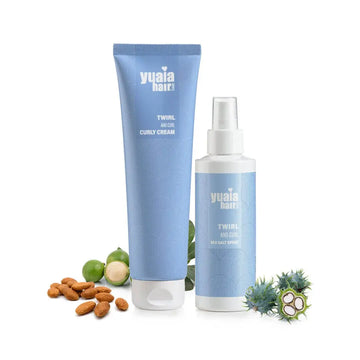

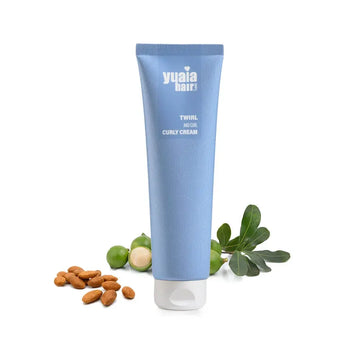


Quick fixes for static hair
Stop repeatedly brushing. Lightly smooth flyaways with a little moisture on your hands, or spread a small amount of leave-in or serum made for hair through the lengths. Start small, particularly with fine hair, and avoid soaking a finished style.
Static hair in winter
Dry indoor air and friction from hats, scarves and collars can contribute. Avoid rubbing the hair and choose a hat with a smooth lining. The surface and contact matter more than a promise that all natural fibres are anti-static.
Static hair when brushing
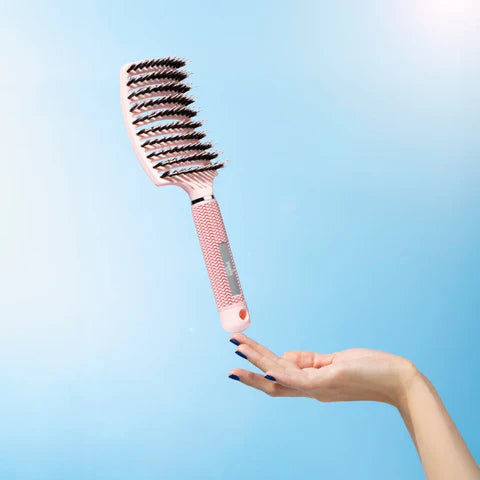
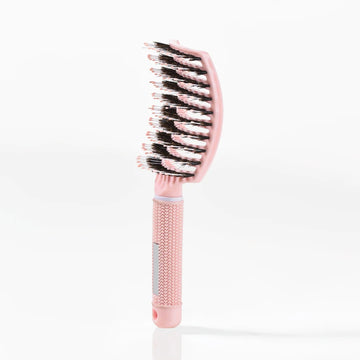
Brush slowly in small sections, loosening knots from the ends. Choose a comb or brush suitable for your hair type. Natural bristles, wood or metal do not guarantee freedom from static; avoid unnecessary friction and forceful pulling.
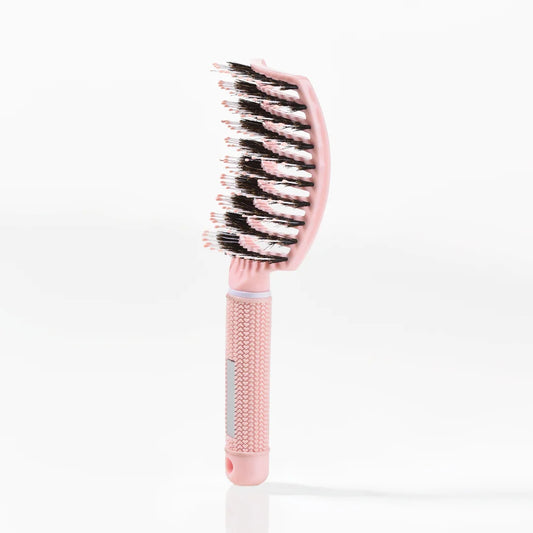
€20,99
Static hair after washing: choose suitable care
Wash according to your scalp's needs rather than a fixed weekly schedule. Use lukewarm water and squeeze water out with a towel without rubbing. Apply conditioner to lengths and ends as directed.
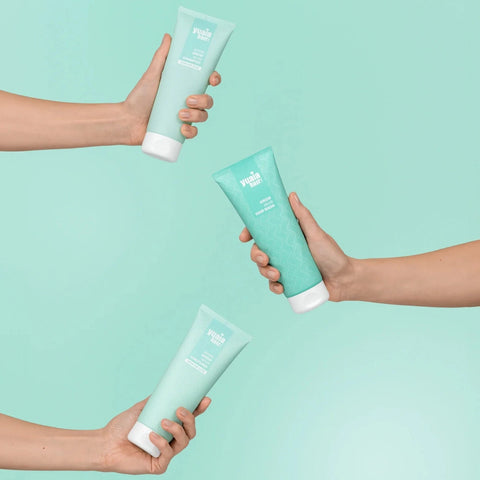
Choose shampoo for your hair and scalp, and conditioning for the lengths. No single shampoo removes every cause of static. A mask can supplement care for dry lengths; follow its instructions for order and processing time.
- hair care products
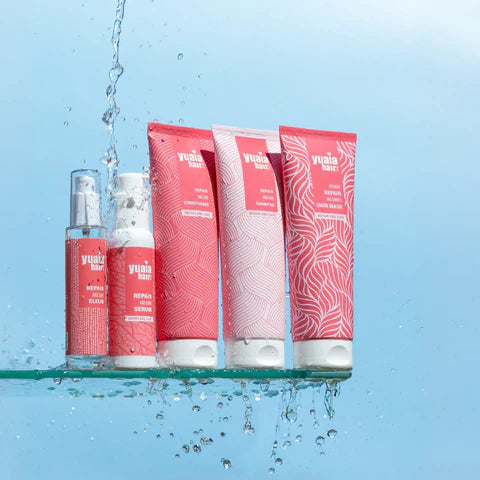
- Repair and Care Shampoo and Conditioner
- hair mask
- the Intensive Repair and Growth hair mask
- shampoo
- Read more about shampoo without sulphate and silicone here

Products and amounts for your hair type
Fine hair often needs small amounts of lightweight leave-in or serum. Dry, curly or coarse lengths may need more conditioning. Apply oil sparingly to the lengths and avoid adding layers to hair coated with product residue.

Blow-drying and heat protection
Use moderate heat, keep the dryer moving and apply a product specifically intended for heat protection as directed. Ordinary hair oil is not automatically a heat protectant. Cool air does not repair damage or permanently seal hair.

Repair and Care Premium Set
Complete care package for damaged and dry hair – reduces damage by up to 80%€104,90 €125,49

Less friction overnight
A loose style and a smooth pillowcase or bonnet can reduce friction. Avoid tight styles. Satin describes a weave rather than a particular fibre, and no pillowcase guarantees static-free hair.


Frequently asked questions
Is static hair always a sign of damage?
Static can occur in both healthy and dry hair. Consider roughness, broken strands and your care routine rather than judging hair condition from flyaways alone.
Which shampoo is best for static hair?
Shampoo cleanses, while conditioner and suitable leave-in care can improve manageability. Match products to your hair type; sulfate-free or silicone-free labels alone do not guarantee prevention of static.
Can I use dryer sheets or hand cream?
Use products intended for hair. Dryer sheets, laundry detergent and anti-static fabric sprays are not haircare products. Hand cream is not the first choice for the lengths either.


