 2-5 day delivery
 100.000+ satisfied customers
 Free shipping over €99








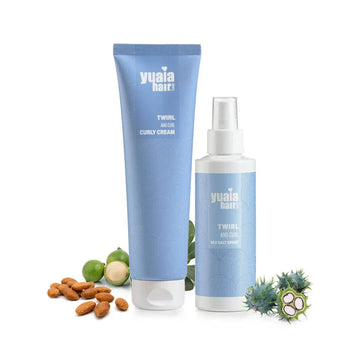

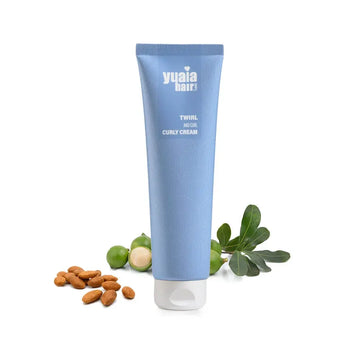


Straight and fine hair
If your hair can be gently detangled dry, you can loosen easy knots before washing. Start with your fingers and small sections. After washing, straight hair can dry a little before detangling. Fine hair is not necessarily straight: consider its texture and previous processing too.
Should you brush curly hair wet or dry?
For thorough detangling, thoroughly wetted hair with conditioner or a suitable leave-in product is often a useful starting point. Follow directions for application and rinsing. Water alone does not make brushing gentle, and wet hair still needs careful handling. Stop at resistance and loosen the knot instead of pulling harder. No single precise moisture level suits every curl.
Start with fingers or a wide-toothed comb
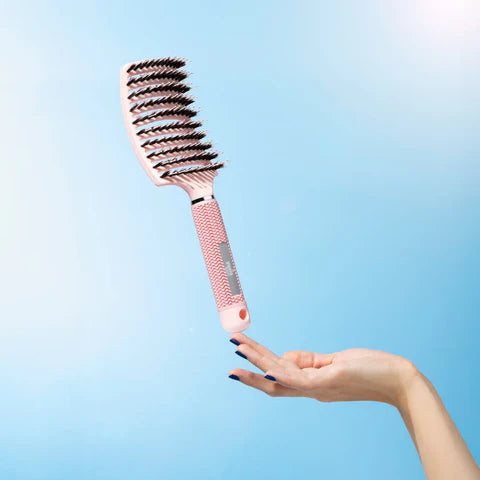
Fingers help you feel knots and work around them. A wide-toothed comb can help separate and loosen small sections. Choose the tool that gives the least resistance in your hair. No comb or brush guarantees that strands will never break.
A simple method for loosening knots
- Divide the hair into manageable sections. Start with your fingers and loosen the outer knots.
- Work from the ends gradually upwards. Hold the section above a knot to limit pulling.
- Use a wide-toothed comb gently. Stop at resistance and separate the knot further instead of forcing through.
Dry without rubbing curl groups apart
Press excess water out with a suitable towel. Avoid rough rubbing and tight wrapping. A microfibre towel is an option, but technique still matters. Use moderate heat and airflow when diffusing or blow-drying and avoid unnecessary touching.
Mistakes to avoid
Do not start at the roots and pull through every knot at once. Avoid harsh stretch tests, damaged tools and extra layers of product to hide a knot. If hair is tightly matted or detangling hurts, ask a hairdresser for help rather than using more force.
Products: use only what your hair needs
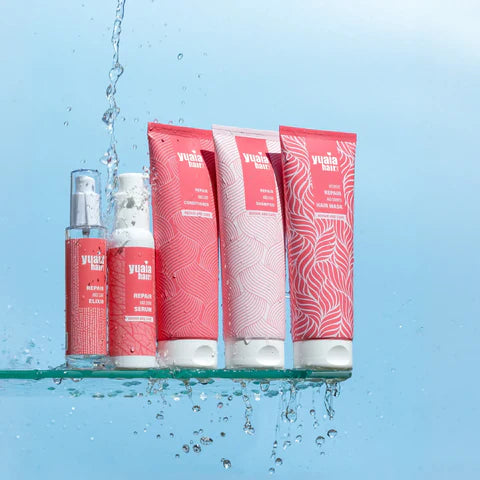
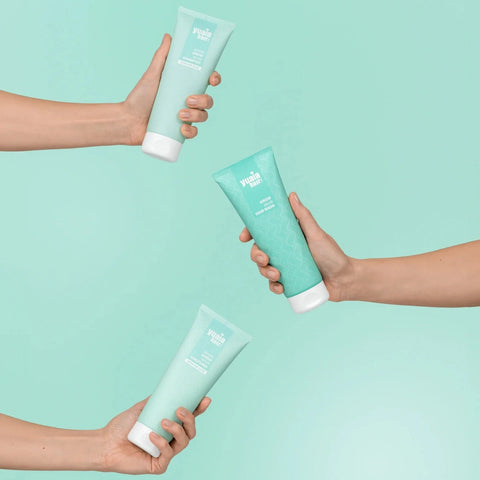
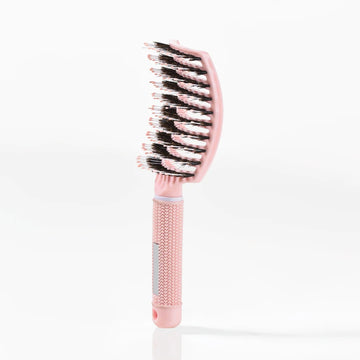
These products cover different steps in a routine. They are not all hair oils or suitable for the same use. Choose according to your needs and follow each product's instructions; a scalp brush is an optional tool.
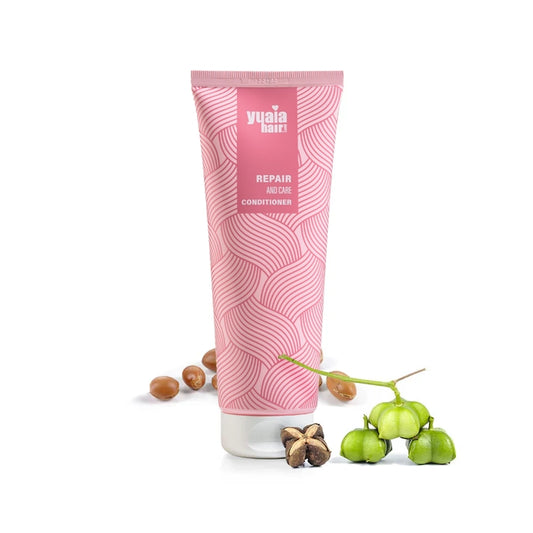


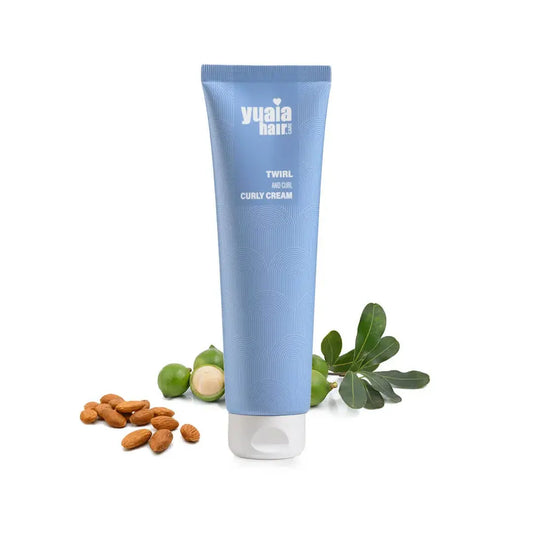

€24,99

€16,99

Frequently asked questions
Should you brush curly hair wet or dry?
For thorough detangling, thoroughly wetted hair with conditioner or a suitable leave-in product is often a useful starting point. Follow directions for application and rinsing. Water alone does not make brushing gentle, and wet hair still needs careful handling. Stop at resistance and loosen the knot instead of pulling harder. No single precise moisture level suits every curl.
How often should you brush curly hair?
Detangle when needed rather than following a set number of daily strokes. Washing, density, length and how quickly knots form all matter. Adjust section size, product amount or the interval if large knots keep returning. Brushing is not a way to change hair growth speed.


