 2-5 day delivery
 100.000+ satisfied customers
 Satisfaction Guarantee












Common reasons why your hair isn’t growing
If your hair seems to have plateaued at the same length, several factors may be affecting its growth. From poor scalp health to daily hair care routines, understanding the underlying cause can help you find the best solutions to support healthy hair growth.
Genetics
Genetics have a significant influence on hair growth patterns and the likelihood of hair loss. Conditions such as androgenetic alopecia, commonly known as male or female pattern baldness, are hereditary and result in progressive hair thinning over time. Research indicates that variations in the androgen receptor (AR) gene are associated with the development of male-pattern hair loss. Understanding your family history of hair loss can provide insight into your own hair growth trajectory.
Age
As we get older, it is natural for hair growth to slow down, and the hair strands become thinner and less pigmented. Hair follicles gradually produce thinner hair, and some may stop producing hair altogether. This process can lead to noticeable thinning and changes in hair texture. Adopting age-appropriate hair care routines can help manage these changes.
Hormonal imbalances
Hormonal fluctuations can disrupt the normal hair growth cycle. Thyroid disorders, such as hypothyroidism, can lead to diffuse hair loss across the entire scalp. In hypothyroidism, insufficient production of thyroid hormone can cause hair follicles to enter the resting phase prematurely, resulting in hair loss. Conversely, hyperthyroidism, characterised by excessive production of thyroid hormone, can also affect hair health.
Stress
Chronic stress has been shown to trigger hair loss conditions such as telogen effluvium, where the hair prematurely enters the resting phase of its growth cycle, leading to increased shedding. This condition can significantly affect overall thickness and hair density. To minimise the impact of stress on hair health, it is important to incorporate relaxation techniques such as meditation, deep breathing exercises or yoga. Regular exercise and adequate sleep also play important roles in reducing stress levels and promoting general well-being. By managing stress effectively, you can help reduce hair loss and support healthier hair growth.
Scalp health
A healthy scalp is essential for promoting hair growth, as it provides the foundation for hair follicles to thrive. Conditions such as dandruff, psoriasis and folliculitis can lead to inflammation, blocked follicles and poor circulation, creating an unfavourable environment for hair growth. To maintain a healthy scalp, it is important to follow a proper hair care routine, including regular cleansing to remove build-up and excess oils. Treating underlying scalp conditions with the right products or medication is key to restoring balance and ensuring an optimal environment for the hair follicles. A healthy scalp supports healthier, stronger hair growth over time.
Hair care routines
Certain hair care routines can contribute to hair breakage and hinder hair growth. Frequent use of heat-styling tools, such as straighteners, curling irons and hairdryers, can weaken the hair shafts by stripping them of moisture and essential oils.
This damage makes the hair more prone to breakage and thinning. Furthermore, chemical treatments such as colouring and perms can damage the hair shaft, leaving it brittle and prone to split ends and breakage. Overuse of these treatments can result in long-term damage to the hair’s natural structure.
Another common culprit is tight hairstyles. Hairstyles that pull the hair tightly, such as ponytails, plaits and buns, can lead to traction alopecia, a condition caused by tension on the hair follicles, which can result in hair loss over time. This is particularly problematic if the tension is constant and prolonged.
To maintain the hair’s strength and promote growth, it is important to adopt gentle hair care practices. Minimising the use of heated styling tools and harsh chemical treatments can reduce damage. Opting for loose hairstyles and using hair accessories that do not pull too tightly on the hair can help protect the follicles. Adopting these practices will help maintain healthy, strong hair.
How to improve your hair growth at home
Improving hair growth at home doesn’t always have to involve expensive treatments. By adopting simple, natural methods such as massaging your scalp regularly, using nourishing oils and adjusting your hair care routine, you can create an optimal environment for your hair follicles, promoting healthier, stronger hair growth over time.
Scalp massage
Regular scalp massages can effectively promote hair health and growth at minimal cost and with little effort. Massaging the scalp increases blood circulation, which helps deliver essential nutrients to the hair follicles, supports growth and reduces muscle tension. Research suggests that consistent daily scalp massages can lead to increased hair thickness and growth, although results may vary from person to person. This simple practice can be carried out using your fingertips or with a scalp massager, adding a relaxing element to your routine. By incorporating a scalp massage into your daily hair care routine, you can promote healthier, stronger hair over time.

Natural oils for hair growth
Using natural oils in your hair care routine can offer significant benefits for the health of your hair. These oils nourish the scalp, improve circulation and promote stronger, healthier hair growth. Here are some oils commonly used for hair growth:
- Coconut oil: Coconut oil is rich in lauric acid, which allows it to penetrate deep into the hair shaft and follicles, providing hydration and strengthening the hair. It also has antimicrobial properties that help maintain a healthy scalp by preventing dandruff and other scalp problems.
- Rosemary oil: Known for its ability to improve blood circulation to the scalp, rosemary oil can stimulate the hair follicles and encourage hair growth. Some studies have suggested that rosemary oil may be just as effective as minoxidil in treating hair loss, although further research is needed.

- Peppermint oil: Peppermint oil contains menthol, which helps to increase blood flow to the scalp, thereby promoting the nourishment of hair follicles. Peppermint oil also has a cooling effect that can soothe irritation and balance the scalp’s oil production.
When using essential oils such as rosemary or peppermint, it is important to dilute them with a carrier oil such as coconut or jojoba oil to prevent irritation. Always carry out a patch test before applying them directly to the scalp to ensure there is no adverse reaction.
What are the best products for hair growth?
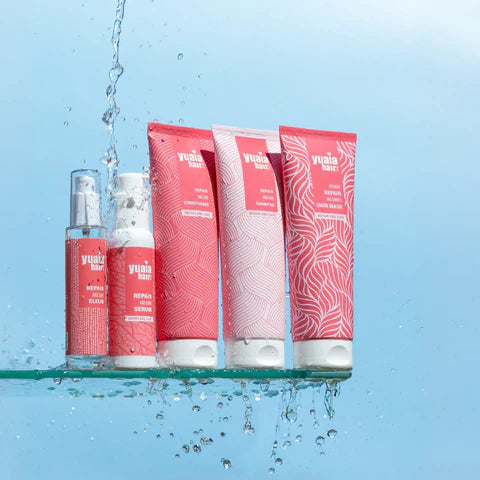
Finding the right products to support hair growth is essential for achieving healthier, thicker hair. At Yuaia Haircare, we offer a range of effective solutions designed to nourish your scalp and promote hair growth. Here, we’d like to recommend some of our best hair growth products for you to try.
Our Glow and Grow shampoo and conditioner
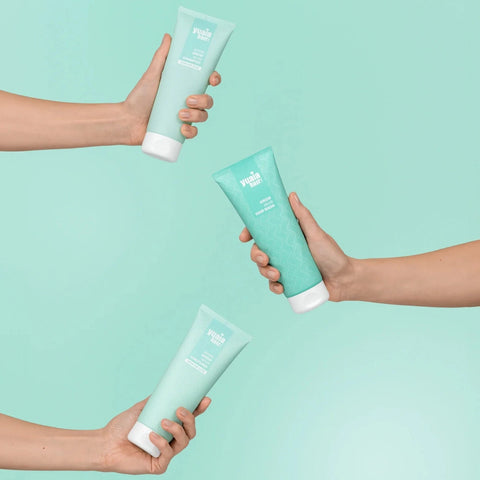
Our Glow and Grow Shampoo and Conditioner are expertly formulated to stimulate hair growth, reduce hair loss and improve hair thickness. Enriched with fruit acids, they gently exfoliate the scalp, promoting a fresh and clean feeling whilst removing build-up.
The inclusion of Capilia Longa, a powerful ingredient backed by scientific studies, has been shown to reduce hair loss by up to 89 per cent and increase hair density by up to 52 per cent after 150 days of consistent use. This combination of ingredients helps to create the ideal environment for healthy hair growth, improving both the condition and appearance of your hair.
Whether you’re experiencing thinning hair or simply want to support stronger hair, our Glow and Grow Shampoo and Conditioner are excellent choices.


Our Rosemary Oil
Our rosemary oil has been carefully formulated to stimulate hair growth and improve scalp health. It combines the power of rosemary oil with nourishing ingredients such as broccoli seed oil, jojoba oil, almond oil, argan oil and coconut oil.
Rosemary oil is known to improve blood circulation to the scalp, which helps to nourish the hair follicles and promote healthier hair growth. The additional oils provide deep hydration and support the scalp, preventing dryness and irritation.
Together, these ingredients help to strengthen the hair, reduce thinning and create a healthier, thicker appearance over time. Regular use of our Rosemary Oil can contribute to vibrant, well-nourished hair.
Grow and Glow Serum Formula+
Grow and Glow Serum Formula+ is a treatment designed to work in conjunction with our shampoo and conditioner to promote hair growth and overall hair health. To use, simply lift sections of your hair and spray the serum directly onto the scalp, focusing on the areas most in need.
Gently massage the serum into your scalp to ensure even distribution. There is no need to rinse it out, allowing the serum to work throughout the day.
Enriched with nourishing ingredients, this serum supports the hair follicles and boosts blood circulation. It enhances the effectiveness of our shampoo and conditioner, ensuring long-lasting results. With consistent use, Grow and Glow Serum Formula+ helps promote thicker, fuller hair whilst maintaining a healthy, balanced scalp.

When should you consult a professional?
If you notice significant hair loss, sudden or patchy hair loss, or more hair falling out than usual, it is important to consult a dermatologist. Early diagnosis can prevent further hair loss and improve the chances of regrowth. A dermatologist will help identify the underlying cause of your hair loss and suggest the most effective treatments. They may carry out tests such as blood tests or a scalp biopsy to diagnose conditions such as alopecia areata, androgenetic alopecia or scalp disorders.
Consulting a professional is particularly crucial if you are unsure of the cause of your hair loss. With the right treatment plan, a dermatologist can guide you towards effective solutions and help you regain control over the health of your hair. Seeking professional advice sooner rather than later can make all the difference in managing hair loss and promoting healthier hair growth.
A holistic approach to hair health
A holistic approach to hair health focuses on nourishing your hair from the inside out. Incorporating home remedies, such as scalp massage and natural oils, alongside healthy lifestyle habits like a balanced diet, stress management and gentle hair care, can significantly support hair growth. Patience and consistency are key to seeing results, as changes take time. If you do not notice any improvement, it is important to consult a professional. A dermatologist or trichologist can help identify underlying issues and provide tailored treatments to promote healthy hair growth and effectively address any concerns.


