 2-5 day delivery
 100.000+ satisfied customers
 Free delivery over £49











What are scalp scrubs and exfoliation?
Exfoliation removes dead skin cells from the skin’s surface. A scalp scrub does this mechanically with small particles; other scalp products use exfoliating acids, for example. A brush also acts mechanically. These methods differ, and a face or body product is not automatically suitable for the scalp.

Do you need it?
Ordinary hair washing can often be enough to remove sweat, oil and styling residue. Exfoliation is an optional extra step, not a requirement for everyone. An oily or itchy scalp does not by itself mean it needs scrubbing. Start by reviewing your washing routine and the products you already use.

A simple step-by-step routine
Choose one product intended for the scalp and check whether it is used before, during or after shampooing and on dry or damp skin. Apply the recommended amount along the partings, use light movements and observe its contact time. Rinse thoroughly with lukewarm water. Shampoo if directed and condition the lengths as needed.


Scalp brush: light pressure is enough
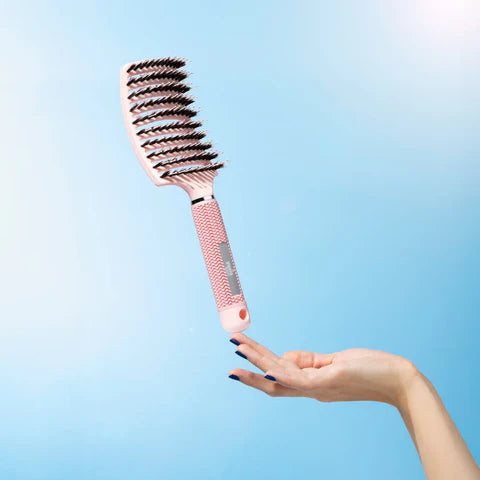
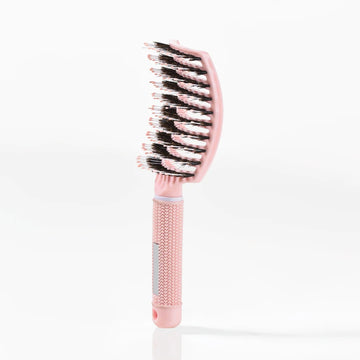
A soft scalp brush can be an optional washing tool if your skin tolerates it. Use short, light movements without scratching or pulling the hair. It is not a tool for scraping off firmly attached flakes. Avoid combining a brush, granular scrub and acid treatment in one session; more friction is not automatically better.


How often should you exfoliate?
There is no fixed weekly schedule for every scalp and product. Follow the directions and assess your skin after one cautious trial before repeating. Dry or sensitive skin may need to skip exfoliation altogether. Burning, persistent tightness, itching or redness are reasons to stop, not scrub harder.
Homemade scrubs: choose carefully
Sugar, salt and coffee grounds do not provide a controlled particle size or a formula tested for your scalp. Vinegar and essential oils are also unnecessary for ordinary cleansing. Choose a suitable finished formulation instead or stick to shampoo. Natural ingredients and sulphate-free products are not in themselves a guarantee of mildness.
Dandruff, irritation and realistic expectations
Exfoliation is not a proven shortcut to hair growth and does not replace targeted treatment for dandruff or a skin condition. Avoid scrubs on wounds, sunburn or irritated skin and seek advice if you have eczema or psoriasis. Persistent flaking, itching, marked redness or hair loss deserves professional assessment. Use dandruff shampoo according to its own directions.
Frequently asked questions
Can I exfoliate if my hair is curly or coloured?
Hair type alone does not decide this. Choose a product suitable for your scalp and colour treatment, follow its instructions and avoid rubbing or tangling the lengths. Condition the lengths as needed.
What if my scalp becomes irritated?
Stop exfoliating and rinse out the product as directed. Avoid further scrubbing and strong treatments while your skin is irritated. Seek medical advice for a severe or persistent reaction.
Read also
Sources: AAD: Exfoliation · American Academy of Dermatology.


