 2-5 day delivery
 100.000+ satisfied customers
 Satisfaction Guarantee




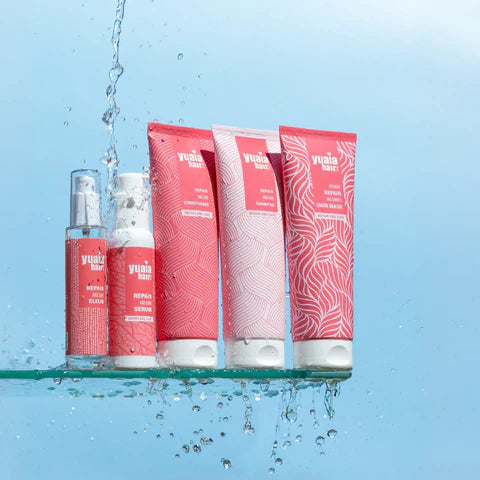

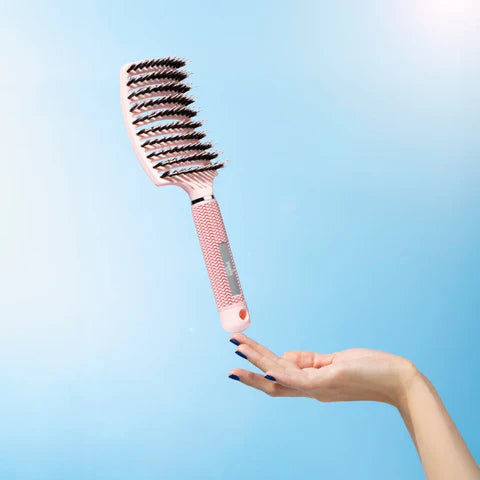


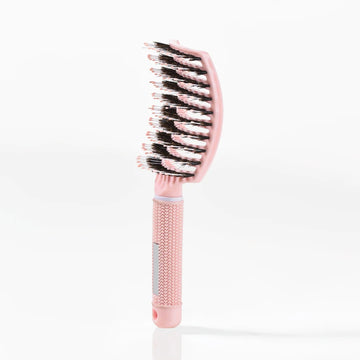







Step‑by‑step hair care routine for hair growth
This routine outlines simple, consistent steps that support healthy hair growth over time. By focusing on scalp care, gentle handling and balanced moisture, it helps create the right conditions for stronger hair and improved length retention.

Gentle cleansing
Gentle cleansing plays an important role in maintaining a healthy scalp environment that supports hair growth. Washing the hair helps remove dirt, excess oil and product buildup that can block follicles and interfere with normal growth cycles. Using a mild, sulfate-free shampoo allows the scalp to be cleansed effectively without stripping away natural oils that help protect both scalp and hair.
During washing, gentle scalp massage can support circulation, which helps deliver oxygen and nutrients to the follicles. Keeping the scalp clean and balanced creates a healthier foundation for stronger hair and supports overall hair quality over time.
Conditioning and deep treatments
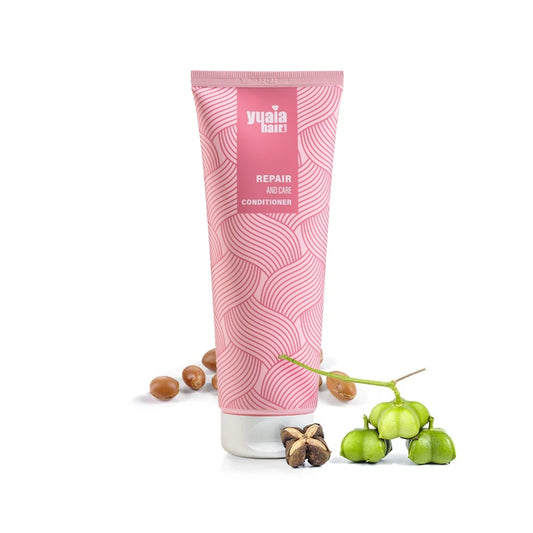
Conditioning plays an important role in maintaining moisture balance, elasticity and overall hair strength, especially when focusing on growth and length retention. Regular use of conditioner helps smooth the hair surface, reducing friction during brushing and styling and lowering the risk of breakage. This makes it easier to maintain longer hair over time and helps keep hair looking healthy and even in length. Conditioners also help detangle the hair, which minimizes mechanical stress during daily care routines.
In addition to everyday conditioning, weekly deep treatments provide more intensive care for hair that feels dry, brittle or stressed from styling or environmental factors such as weather and heat exposure. These treatments deliver concentrated nourishment that helps reinforce the hair structure, improve softness and flexibility, and enhance manageability. With consistent use, deep treatments can support a stronger, more resilient hair fiber that is better able to maintain its length as it continues to grow.

Scalp exfoliation and massage
Exfoliating the scalp once a week helps remove dead skin cells, excess oil and product buildup that regular shampooing may not fully eliminate. This creates a cleaner, more balanced scalp environment, which supports healthy hair growth over time.
Scalp massage, whether done with the fingertips or with dedicated tools, can help improve blood circulation and relieve tension. Increased circulation supports the delivery of nutrients to the hair follicles, while the massage itself promotes relaxation. When combined regularly, scalp exfoliation and massage can contribute to a healthier scalp, improved comfort and better conditions for strong, well-nourished hair.

Protective styling and drying
Protective styling and mindful drying methods play an important role in reducing breakage and supporting length retention. Heat, tension and friction are common contributors to weakened hair, especially when exposure is frequent. Allowing hair to air dry when possible helps minimize heat damage, while using a heat protectant during styling can reduce stress on the hair shaft.
Choosing low-tension hairstyles limits unnecessary pulling that can strain the hair over time. In addition, gentle detangling, preferably when the hair is slightly damp or well conditioned, helps prevent mechanical damage. Reducing daily friction from brushing, styling and drying supports stronger hair and helps maintain steady growth progress.

Daily vs weekly routine checklist
A structured routine makes it easier to balance everyday care with more intensive treatments over time. Daily habits focus on protection and maintenance, while weekly and monthly steps support deeper care and ongoing adjustments.
- Daily routine: Gentle handling, light moisture support and awareness of scalp condition
- Weekly routine: Deeper cleansing, conditioning treatments and targeted scalp treatments.
- Monthly check-ins: Assessing hair and scalp response and adjusting products or frequency as needed.
Common mistakes to avoid
Small, repeated habits can interfere with hair growth over time. Being aware of common mistakes makes it easier to build a routine that supports stronger, healthier hair.
- Overwashing, which can strip natural oils and weaken the hair
- Frequent heat styling that adds stress and increases breakage
- Harsh brushing that causes unnecessary tension and damage
- Inconsistent routines that limit long-term results
- Neglecting scalp care or constantly switching products, which can disrupt balance
How to adapt your routine to your hair type
Different hair types benefit from tailored routines, as structure and moisture needs vary significantly. Adjusting the routine to individual needs helps maintain balance and prevents unnecessary stress on the hair.
- Fine hair: Often benefits from lightweight products that do not weigh the hair down, along with more frequent cleansing to avoid buildup.
- Curly or textured hair: Typically requires more moisture and richer conditioning products, as well as less frequent washing to help retain natural oils.
- Dry or damaged hair: May need added nourishment through masks or treatments and a gentler cleansing routine.
Realistic expectations and progress tracking
Hair growth is gradual, and changes often become noticeable over several months. Tracking progress through photos or length checks can help maintain motivation and provide insight into what is working.

From routine to results: A practical plan for supporting hair growth
A hair care routine for hair growth works best when it is simple, consistent, and adapted to personal needs. Focusing on scalp health, gentle care, and supportive habits over time creates the strongest foundation for long‑term growth.


