 2-5 day delivery
 100.000+ satisfied customers
 Satisfaction Guarantee












Diffusing
A diffuser spreads airflow so you can dry curls with less disruption. Use a comfortable temperature and gentle airflow. Heat protection does not make high temperatures harmless.
- Apply heat protection as instructed and set the dryer to low or medium heat with gentle airflow.
- Begin by gently moving the diffuser around the roots at a distance. Do not keep hot air close to the same spot for a prolonged time.
- Work in sections. If you place curls in the bowl, switch off or reduce airflow while repositioning it. Avoid pressing it against the scalp.
- Stop when the hair is dry or let the last damp lengths air dry. Wait until curls are fully dry before touching the gel cast.
Blow-drying
Blow-drying curly hair without a diffuser is less common but can be done with care when time is limited. Using a hair dryer with controlled heat settings and applying a heat protectant beforehand can help minimize dryness and damage. Extra attention to technique is important, as direct airflow can easily disturb curl formation and increase frizz.
- Apply a heat protectant to damp hair and distribute it evenly without brushing through.
- Set the dryer to the lowest effective heat setting and a gentle airflow.
- Hold the dryer at a distance and angle the airflow downward to reduce disruption.
- Keep the dryer moving continuously to avoid concentrating heat in one area.
- Avoid brushing or combing while blow-drying, as this can break up curls and create frizz.
- Stop when the hair is mostly dry, then allow it to finish air drying if needed.
Tools and products that support better drying results
The tools and products used during drying can significantly influence the final result:
- Microfiber towels or cotton t-shirts, which are gentler than traditional towels and help reduce friction
- A diffuser attachment, which distributes airflow evenly and helps maintain curl shape when using a hair dryer
- Styling products also play an important role during the drying process:
- Leave-in conditioners to support moisture retention
- Curl creams to enhance curl definition
- Gels to help control frizz and provide hold
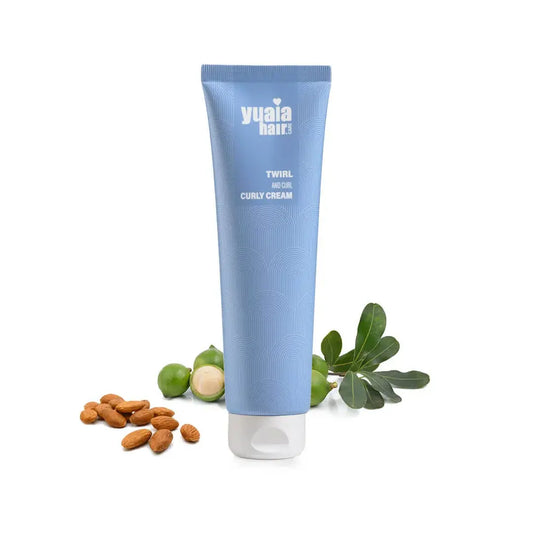
Applying these products evenly while the hair is still wet helps ensure better distribution and more consistent results.
Common mistakes when drying curly hair
Rubbing hair with rough towels
Rubbing curly hair with a rough towel can disrupt the curl pattern and lead to frizz, breakage, and unnecessary stress on the hair strands. Traditional towels create friction that lifts the cuticle, making curls look less smooth and defined. Curly hair is especially vulnerable when wet, so rough handling can affect how curls dry and set.
Using a microfiber towel is a gentler alternative, as it absorbs excess water while reducing friction. Lightly scrunching or blotting the hair with a microfiber towel helps preserve curl structure and supports more defined, balanced curls as they dry.

Touching curls too often while drying
Touching, scrunching, or repositioning curls repeatedly while they dry can prevent them from setting properly. This often leads to uneven curl definition and increased frizz, especially as the hair begins to lose moisture.
Using high heat without protection
Applying high heat without heat protection may strip moisture from curly hair, leaving it dry, brittle and more prone to damage over time. Heat can weaken the hair structure and reduce elasticity.

Uneven drying and poor airflow
Uneven drying often happens when the roots stay damp for too long or when heat is focused on one spot instead of being evenly distributed. This can lead to flat roots, frizz close to the scalp, and curls that form inconsistently through the mid-lengths and ends.
Skipping or unevenly applying styling products
Skipping styling products or applying them unevenly can prevent curls from setting properly as they dry. This may result in uneven definition, increased frizz, and curls that lose their shape more quickly. Consistent product distribution helps support curl structure and balanced moisture.
Match products to porosity and strand thickness
Porosity describes how hair absorbs and retains moisture. Use it as a guide alongside strand thickness and density. Start with small product amounts and judge the result once the hair is dry. If curls feel heavy or coated, try less product; if the lengths feel dry, adjust your conditioning gradually.
Keep curls defined in humidity and overnight
In humid weather, a suitable styling product with hold can help curls keep their shape. If needed, apply a little serum to dry lengths according to its instructions. Let hair dry before bed, then gather curls loosely on top of your head. Avoid tight styles and unnecessary friction; no method guarantees completely frizz-free hair.
Compare air drying and diffusing curly hair
Read our step-by-step diffuser guide
Helpful tips for drying curly hair
- Lift the roots gently with hair clips while air drying to improve airflow and reduce drying time.
- Diffuse with the head tilted in different directions to add volume without disrupting curl structure.
- Let curls dry before bed, then gather them loosely on top of your head if this helps preserve their shape.
- Using a silk scarf overnight can reduce friction and preserve curls.
- Be mindful of environmental conditions, as high humidity can increase frizz.
- In dry climates, applying extra moisture before drying can help maintain curl definition.
- Adjust products and drying techniques seasonally to achieve more consistent results.

Choose between air drying and diffusing
Choose air drying when you have time and want to avoid added heat. Choose a diffuser when you want to work with airflow and lift at the roots. Combining them is also possible: let some water evaporate first, then finish gently with a diffuser. Hair density, product amounts, humidity and your preferred result matter more than a fixed rule that one method is always best.
With a diffuser, you can start by directing air around the roots without lifting curls into the bowl. If you then support the lengths in the bowl, move gently between small sections and lower or switch off the airflow while repositioning it. Avoid pressing hot air against the scalp or holding it in one place. Follow the appliance instructions too.
When curly hair takes a long time to dry
- Squeeze out excess water with a soft towel or T-shirt without rubbing or twisting curls.
- Distribute styling evenly in small amounts. Several heavy layers are not automatically better and can make the routine harder to manage.
- Pay attention to roots and the nape. You can try loosely placed root clips to keep sections apart; avoid pulling and remove them gently.
- If air drying takes too long, finish with low or moderate heat and gentle airflow. Check several areas and stop when hair is dry. A fixed drying time does not suit everyone.
Frequently asked questions about drying curly hair
Can curly hair be dried without heat?
Curly hair can be dried without heat using air drying or plopping, which helps reduce damage and maintain moisture.
How can curly hair be dried faster?
Combining plopping with diffusing or improving airflow around the roots can help reduce drying time.
Does curl type affect drying method?
Different curl patterns respond differently to drying techniques, so experimenting with methods can help identify what works best.
Can I brush curls while they dry?
Gently detangle before drying, preferably with conditioner and a wide-tooth comb. Once curls are shaped, repeated brushing can separate them. Wait until the hair is fully dry before gently softening a firm gel cast.
Must I avoid all sulfates and silicones to reduce frizz?
One ingredient group does not determine whether a product suits your curls. Consider the whole formula, amount and washing routine. Coated hair may need suitable cleansing; dry hair may need adjusted conditioning and washing rather than automatically excluding every ingredient in a group.


